Curly vs Wavy Coats Grooming Differences Explained
Discover essential grooming tips for mixed-breed dogs based on coat texture to keep them clean and comfortable.
Mixed-Breed Coat Textures: A Groomer’s Guide to Everyday Care
Mixed-breed dogs come with some of the most interesting, lovable, and unique coats. From wispy ear fringe and plush undercoats to soft curls and sleek shine, coat texture can tell you a lot about how to keep your dog clean, comfortable, and mat-free. If you’ve ever wondered, “What kind of coat does my dog have—and how should I care for it?” this guide is for you.
At Dapper Doodle Grooming in Springfield, MO, our dog-first approach centers on comfort, skin health, and stress-free grooming. Below, we’ll demystify coat textures found in mixed breeds and give you clear, practical routines for at-home care and professional grooming—so your dog looks and feels their best year-round.
Why Coat Texture Matters More Than “Breed Mix”
When it comes to grooming, texture predicts care needs better than breed labels. Even littermates can have different coats—and the right tools and schedule will vary based on whether your dog’s hair is straight, curly, wiry, or double-coated. Texture influences:
- Shedding: How much and how often loose hair releases
- Matting risk: How easily hair tangles or knots
- Bathing and drying: How to clean the coat thoroughly and safely
- Brushing tools: Which brush or comb will be most comfortable and effective
- Grooming frequency: How often professional services are helpful
Focusing on how your dog’s coat behaves helps you build a grooming routine that fits their unique needs—not a generic “breed standard.”
How to Identify Your Dog’s Coat Texture
Use these simple touch-and-visual cues at home. Your dog may match more than one—mixed coats are common!
- Smooth/short: Lies flat; hair is short and sleek. You’ll notice more shedding on clothing and furniture.
- Short double coat: A plush undercoat beneath slightly longer guard hairs; feels dense and “fuzzy” when you rub backward.
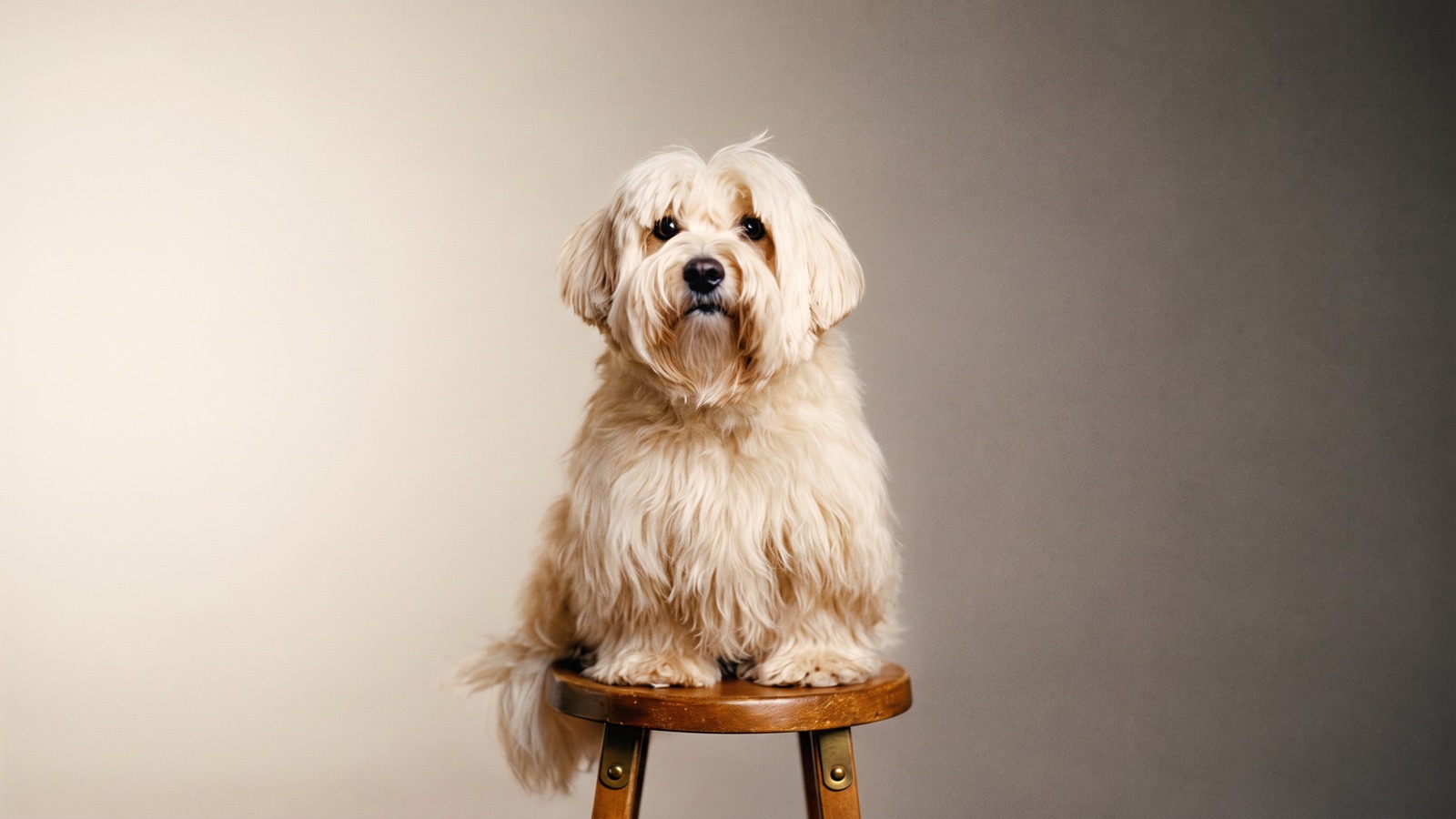
- Long double coat: Noticeable undercoat with a longer outer layer; feathering at tail, legs, and chest is common.
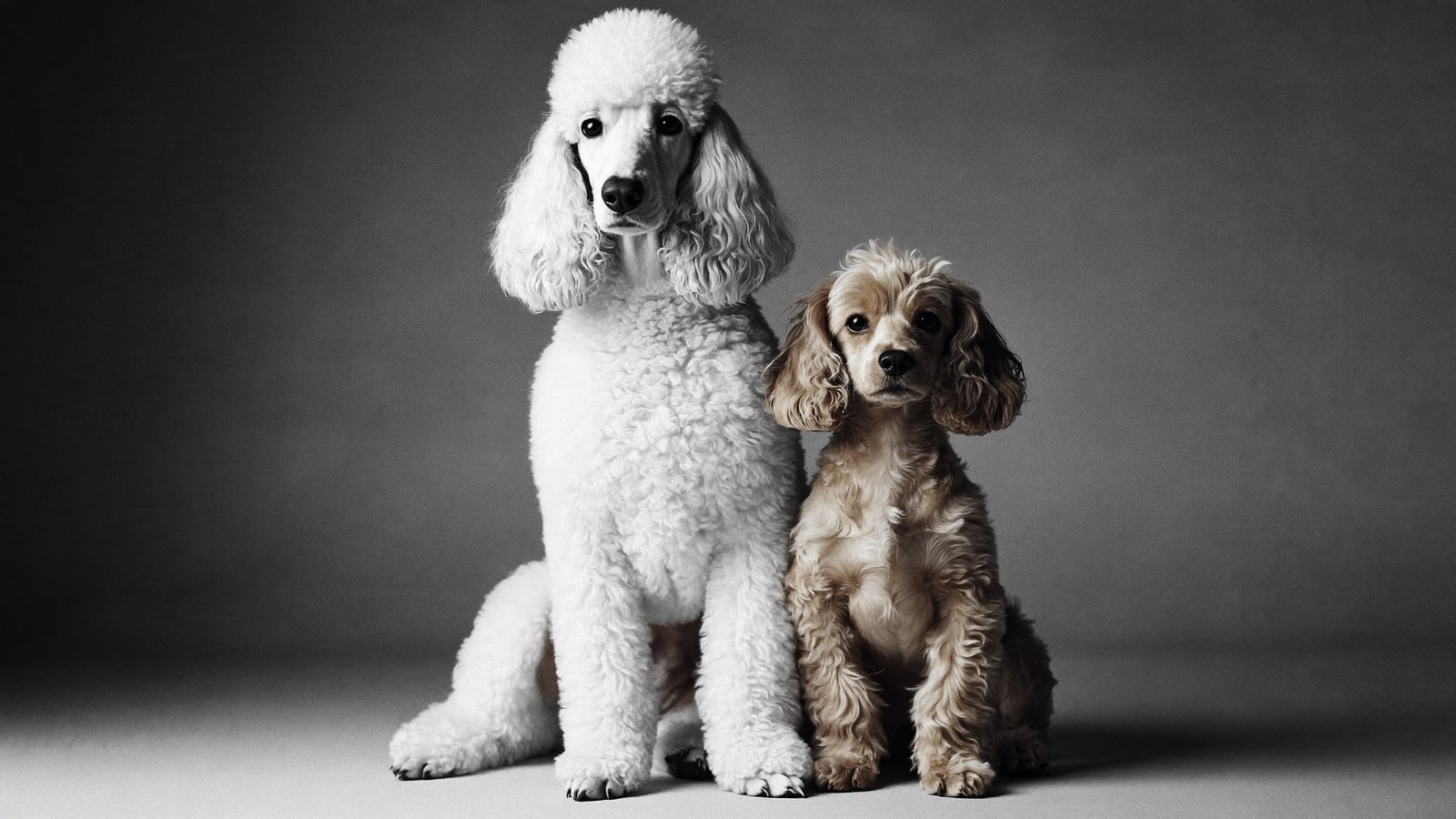
- Wavy: Gentle waves; can be soft and prone to tangles, especially behind ears and in friction zones.
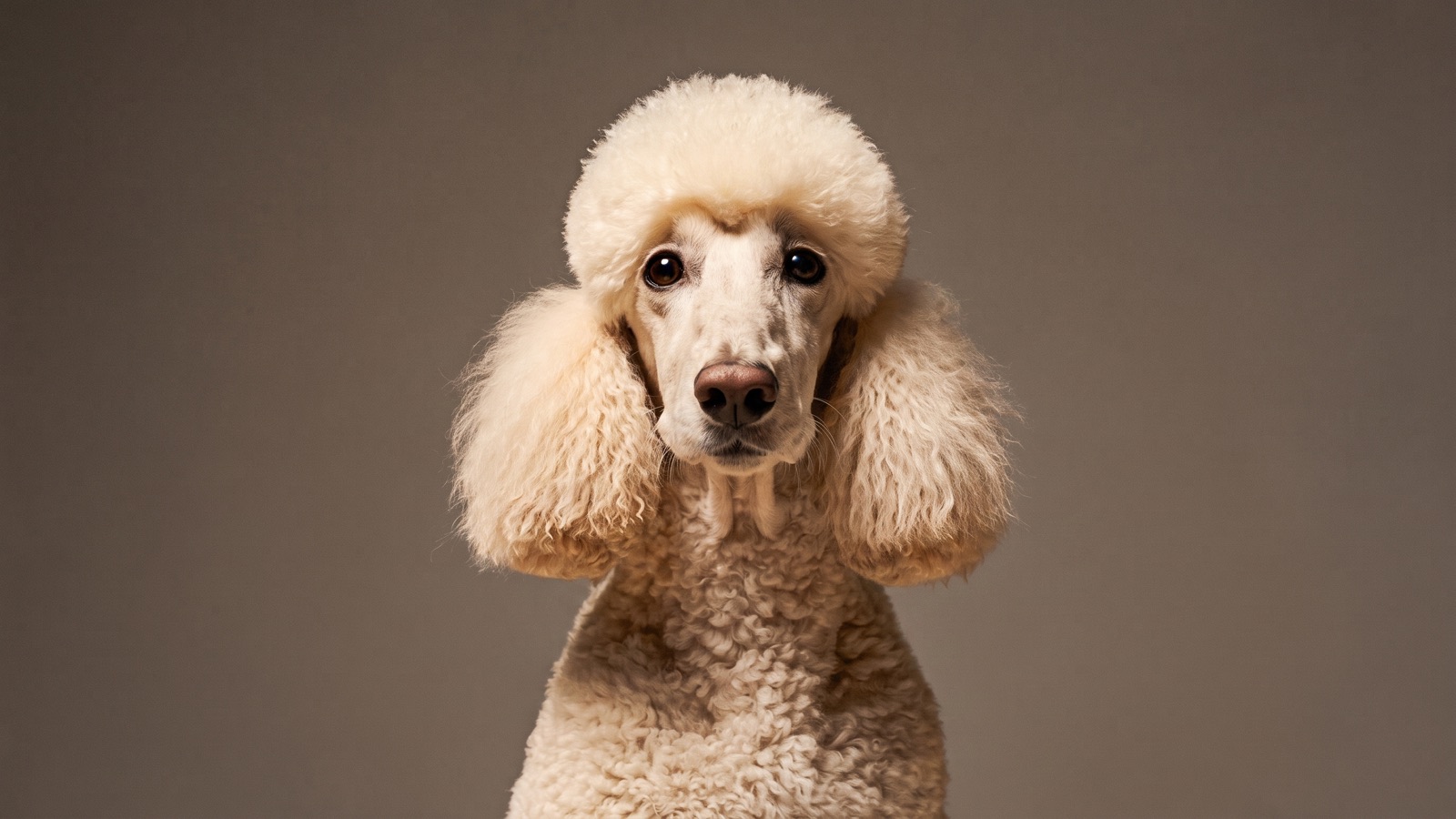
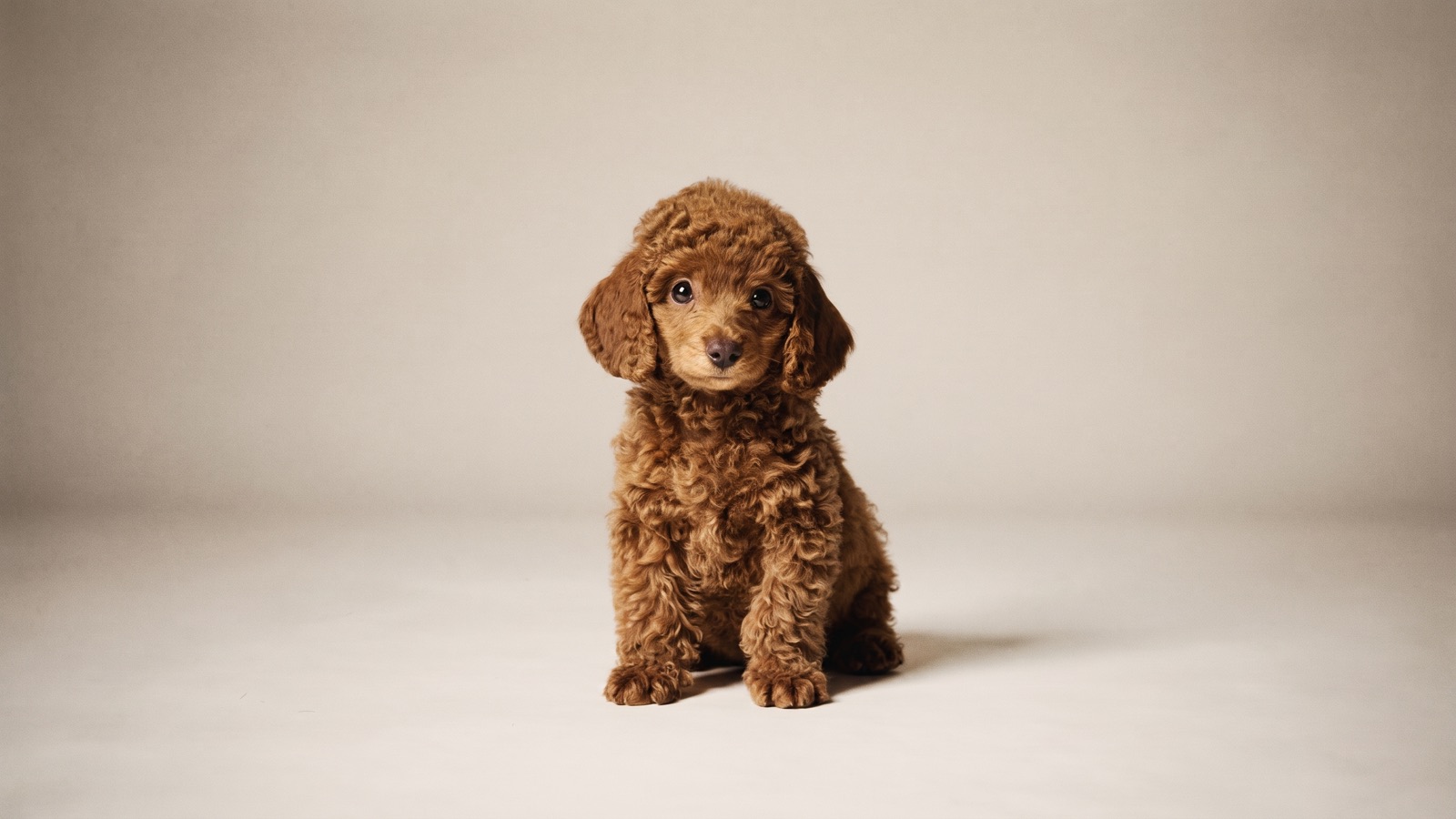
- Curly: Tight to loose curls; fluffy when brushed out; higher matting risk without routine combing.
- Wiry: Coarse, textured hairs; traditional terrier-type feel; may have a softer undercoat beneath.
If you’re unsure, bring your pup to a professional dog groomer for a hands-on texture assessment. We love helping mixed-breed owners choose the right tools and schedule for their dog’s specific coat.
Common Mixed-Breed Coat Textures and What They Need
Smooth/Short Coats
Think sleek and low profile. These coats shed consistently but don’t usually mat.
- At-home care: A rubber curry brush or grooming glove once or twice a week to lift loose hair and boost shine; gentle bath every 4–8 weeks as needed.
- Professional care: Bath and blowout for deep cleaning, de-shedding, ear cleaning, and nail trimming. A regular schedule keeps odors and dander down and skin healthy.
Short Double Coats
Soft undercoat with a slightly longer topcoat; common in many mixes. Sheds normally with heavy seasonal “blowouts.”
- At-home care: Undercoat rake or de-shedding tool 1–2 times per week; slicker brush to loosen and remove shed; bathing every 4–8 weeks.
- Professional care: Seasonal de-shedding treatments and thorough blowouts to clear impacted undercoat, plus nail trimming and ear cleaning.
- Tip: Avoid shaving double coats; it can affect insulation and coat quality. Focus on regular de-shedding instead.
Long Double Coats
Luxurious and fluffy—also more prone to tangles, especially in fringes and behind ears.
- At-home care: Slicker brush to loosen tangles; metal comb to check all the way to the skin; 2–4 brushes weekly; bathing every 4–6 weeks.
- Professional care: De-shedding bath and blowout, sanitary trim, paw/feather tidy to prevent mats, nail trimming, and ear care.
- Hot spots for mats: Collar area, armpits, flank, and tail.
Wavy Coats
Soft, slightly textured hair that can get knotty without routine brushing.
- At-home care: Slicker brush or pin brush every other day; follow with a comb to the skin. Use a light detangling spray.
- Professional care: Bath and haircut every 6–8 weeks. A tidy trim maintains shape and prevents matting.
Curly Coats
From loose curls to tight, poodle-like coils. Beautiful and plush, but they must be combed—brushing alone often misses hidden mats.
- At-home care: Daily to every-other-day slicker brushing, then comb through to the skin in small sections (line brushing). Use a moisturizing conditioner.
- Professional care: Full grooming every 4–6 weeks to prevent mats and keep shape. Regular trims make at-home upkeep faster and kinder for your dog.
- Note: “Non-shedding” does not mean “no maintenance.” Curly coats trap loose hair, which increases matting risk without consistent care.
Wiry Coats
Coarser outer hairs with potential undercoat; traditional maintenance is hand-stripping, but many family pets do well with clipping.
- At-home care: Slicker brush weekly; comb to check for any soft undercoat buildup.
- Professional care: Clipping every 6–10 weeks or hand-stripping if texture preservation is desired. Your groomer can explain the difference and help you choose.
Bathing & Drying by Texture
Clean skin is healthy skin, and drying is half the bath. Here’s how to set your dog up for success.
- Smooth/short: Use a gentle, dog-safe shampoo; towel off, then finish with a cool/low-heat dryer or air dry. A rubber curry during the bath helps lift dead coat.
- Double coats: Rinse thoroughly—shampoo can hide in dense undercoats. Dry with a high-absorbency towel, then use a dryer on cool to lift and fully dry the undercoat before brushing.
- Wavy/curly: Use a moisturizing conditioner; dry fully with a dryer while brushing in sections. Damp curls mat quickly—avoid air drying unless thoroughly detangled first.
- Wiry: Mild shampoo; avoid heavy conditioners that soften texture if you prefer the classic “crisp” look. Dry fully before brushing.
If you notice red, irritated skin, excessive dandruff, or a sudden change in coat quality, pause new products and check with your veterinarian. Grooming supports skin health, but medical concerns are best guided by your vet.
Brushing: Tools That Match Your Dog’s Texture
- Slicker brush: Excellent for wavy, curly, and long double coats to loosen tangles and remove loose hair.
- Pin brush: Gentle option for long, fine hair and wavy coats; great for fluffing.
- Rubber curry/glove: Best for smooth/short coats; lifts shedding hair and boosts circulation.
- Undercoat rake: For double coats; reaches dense undercoat to reduce shedding.
- Metal “greyhound” comb: Essential to check down to the skin; prevents hidden mats in wavy/curly/long coats.
- Detangling spray: Adds slip to reduce breakage and discomfort when brushing.
Brush in short, calm sessions. Work in sections from the skin outward (“line brushing”) and reward often. Gentle, consistent care beats marathon sessions that tire you and stress your dog.
De-shedding vs. De-matting vs. Clipping: What’s the Difference?
- De-shedding: Removing loose undercoat (often seasonal). Tools like rakes and professional blowouts help clear impacted hair for comfort and a cleaner home.
- De-matting: Carefully loosening or shaving out mats. Minor tangles can be combed; tight mats near the skin are often removed humanely with clippers to avoid pain.
- Clipping/Trimming: Shaping and shortening hair for comfort and style. Great for wavy, curly, and wiry coats, and for long double coats in feather areas (not full-body shaving of double coats).
Not sure which your dog needs? A quick texture check and coat assessment with a professional groomer will point you in the right direction.
Puppy Coats: From Fluff to “Real” Hair
Many mixed-breed puppies start with soft, fine coats that change around 6–12 months as adult texture appears. During this transition, tangles are common—especially in wavy and curly mixes.
- Introduce tools early: Short, positive sessions with a slicker brush and comb build trust.
- Puppy grooming visits: Low-stress “happy visits,” tidy-ups, and nail trims help puppies learn that grooming is safe and predictable.
- Watch friction zones: Behind ears, armpits, and collar areas mat fastest as adult hair grows in.
Puppy grooming is less about perfection and more about confidence. Calm, kind experiences now set your dog up for a lifetime of stress-free grooming.
Senior Coats: Gentle Care for Changing Needs
As dogs age, coats can thin or become drier, and skin may be more sensitive. Nails often grow faster due to lower activity levels.
- Use mild products: Hypoallergenic or moisturizing formulas can support senior skin comfort.
- Shorter, more frequent sessions: Break up brushing and drying to reduce fatigue.
- Regular nail trims: Keep paws comfortable and reduce slipping on floors.
- Easy-maintenance trims: Keep hygiene areas tidy and coats manageable for daily comfort.
Our senior dog grooming focuses on soft handling, non-slip surfaces, and extra time for rest. Comfort comes first, always.
Seasonal Shifts: What to Expect
- Spring and fall: Double-coated mixes “blow coat,” releasing large amounts of undercoat. Increase brushing and consider a professional de-shedding treatment.
- Summer: Don’t assume shaving is best for double coats. Instead, schedule a bath, blowout, and tidy to keep air flowing through the coat and skin.
- Winter: Dry air can increase static and tangles. Conditioning sprays and regular comb-throughs help.
Building a Grooming Schedule for Your Mixed-Breed Dog
Use coat texture to guide how often you should groom at home and with a professional.
- Smooth/short: Brush 1–2x weekly; bath every 4–8 weeks; professional bath/blowout and nails every 4–8 weeks.
- Short double coat: Brush 2–3x weekly; bath every 4–8 weeks; professional de-shedding each season.
- Long double coat: Brush 3–4x weekly; bath every 4–6 weeks; professional tidy and blowout every 6–8 weeks.
- Wavy: Brush every other day; professional full groom every 6–8 weeks.
- Curly: Daily to every-other-day brushing and combing; professional full groom every 4–6 weeks.
- Wiry: Weekly brushing; professional clipping or hand-stripping every 6–10 weeks.
Remember: these are starting points. Your dog’s lifestyle, outdoor time, and personal comfort all matter. A groomer can fine-tune the plan.
Matting: Prevention, Not Panic
Mats happen—especially in wavy, curly, and long double coats. The best approach is prevention and compassionate care when they appear.
- Check with a comb: A brush can glide over the top of hidden mats. Comb to the skin in small sections to confirm.
- Target friction zones: Behind ears, under the collar, armpits, groin, and tail fringe.
- Don’t cut blindly: Scissors near the skin can be risky. If mats are tight, a humane shave-down in that area is often safest.
- Moisturize: Use a detangling spray before brushing to reduce breakage and discomfort.
Nails, Ears, and Paws: The “Finishing Touches” Every Coat Needs
Even though coat texture guides your brushing and bathing, every dog benefits from routine maintenance:
- Nail trimming: Every 2–4 weeks for comfort and joint health.
- Ears: Check weekly for redness or odor; gently wipe as needed.
- Paws: Keep hair trimmed between pads if long; inspect after hikes or snow for debris.
When to Call a Professional Groomer
Professional dog grooming can be a calm reset for your mixed-breed dog’s coat and skin. Consider booking when:
- Seasonal shedding overwhelms your home routine
- You feel or see mats, especially near the skin
- Your dog is nervous for baths, dryers, or nail trims
- You’re unsure which tools or products to use for your dog’s texture
- Your puppy or senior would benefit from gentle, low-stress introductions
At Dapper Doodle Grooming, we focus on dog-first handling, clean and comfortable spaces, and a calm pace—from bath and blowout to de-shedding treatments, tidy trims, and breed-inspired haircuts for mixed coats.
Real-Life Scenarios for Mixed-Breed Owners
- The short, shiny shedder: Your dog’s coat looks low maintenance, but hair is everywhere. Try a weekly curry brush session, followed by a professional bath and blowout before big shedding spikes.
- The fluffy mystery: Your rescue has ear fringe and a dense body coat. Treat as a long double coat: slicker, then comb to the skin; book a de-shedding groom before seasonal coat changes.
- The wavy water-lover: Swimming can lead to mats. Rinse after swims, use a leave-in conditioner, fully dry, and comb through—the same day if possible.
- The curly cuddle bug: You brush but still find mats at the skin. Add a comb to your routine, brush and blow-dry fully after baths, and keep a 4–6 week professional schedule.
- The wiry walker: You love the textured look but want low fuss. Consider professional clipping every 8 weeks and a quick weekly brush to keep things neat.
Kind, Low-Stress Grooming Is the Goal
Grooming should feel safe and predictable. For anxious dogs, try shorter sessions, lots of praise, and a routine they can count on. Professional groomers can pace services to your dog’s comfort level and offer practical, texture-specific tips you can use at home.
How Dapper Doodle Grooming Supports Mixed-Breed Coats
We tailor our dog grooming services to your dog’s coat texture and lifestyle, including:
- Full-service dog grooming with stress-aware handling
- Dog baths and blowouts for deep cleaning and proper drying
- De-shedding treatments for double coats
- Haircuts and tidy trims for wavy, curly, and wiry coats
- Puppy introductions to build happy grooming habits
- Senior dog grooming with gentle support and extra comfort
Every appointment is designed around your dog’s comfort and skin health—from shampoo selection to drying methods and finishing details.
FAQs About Mixed-Breed Coat Care
My mixed-breed dog’s DNA test says there’s a “non-shedding” breed in the mix. Does that mean no mats?
Not necessarily. Many “non-shedding” coats trap loose hair within curls or waves, which can mat without routine brushing and combing. Texture—not breed mix—determines maintenance.
Can I shave my double-coated dog for summer?
We don’t recommend full shaving for double coats. The undercoat and guard hairs work together to help regulate temperature and protect skin. Instead, schedule a de-shedding bath and blowout, plus a tidy trim for hygiene and feather areas.
How do I know if I’m brushing “to the skin” safely?
Work in small sections. After brushing, run a metal comb from the skin outward. If the comb snags, there’s still a tangle to address. Be gentle and use a detangling spray for slip.
How often should nails be trimmed?
Every 2–4 weeks is common. If you hear clicking on floors or see your dog avoiding certain positions, it may be time for a trim.
What if my dog hates the dryer?
Introduce sound and airflow gradually, start on low/cool settings, and pair with treats. Professional groomers can use quiet techniques and take breaks to keep things calm.
Ready for Texture-Savvy, Stress-Aware Grooming in Springfield, MO?
If you’d like help confirming your mixed-breed dog’s coat type—or want a professional routine that keeps shedding, mats, and bath-time stress in check—our team is here to help. Learn more about our dog grooming services and philosophy at Dapper Doodle Grooming. We’re located at 1929 E Independence St, Springfield, MO 65804. Prefer to chat? Call us at (417) 496-1588.
The Takeaway: Feel the Coat, Follow the Texture
Every mixed-breed dog is one of a kind. When you let coat texture lead your routine—choosing the right brush, building a realistic schedule, and partnering with a gentle, professional groomer—grooming becomes simple, kind, and comfortable. Whether your dog is smooth and shiny, plush and double-coated, or fabulously curly, we’ll help you keep them looking and feeling their best.
Book a calm, dog-first grooming experience in Springfield, MO, and let’s build a texture-smart plan that fits your pup’s life—and your lifestyle.