Double-Coated Dogs: Why Shaving Can Do More Harm Than Good
Your dog’s coat is more than a fashion statement—it’s a living, breathing suit of armor that protects skin, helps regulate temperature, and communicates…
Beyond the Fluff: The Real Science of Your Dog’s Coat (and the Myths We’re Retiring for Good)
Your dog’s coat is more than a fashion statement—it’s a living, breathing suit of armor that protects skin, helps regulate temperature, and communicates health from the inside out. At Dapper Doodle Grooming in Springfield, MO, we hear lots of well-meaning advice about bathing, brushing, and trimming. Some of it holds up. Much of it doesn’t. This guide clears the air with friendly, science-backed insights so you can protect your dog’s coat—and their comfort—for life.
We’ll walk through coat biology, tackle common myths, and share practical grooming tips that fit real life. Whether you’ve got a golden that “blows coat,” a curly-coated doodle, or a smooth-coated companion, understanding what’s happening beneath the surface is the key to a glossy, healthy, resilient coat.
Coat Biology 101: The Science Under the Shine
Understanding how a dog’s coat actually works makes every grooming decision easier. Here are the building blocks:
- Two main hair types: Many dogs have guard hairs (the longer, outer layer that repels dirt and moisture) and an undercoat (shorter, softer hairs that insulate). Some breeds are single-coated, others double-coated, and some have hair that grows continuously.
- Growth cycles: Each hair moves through phases—anagen (active growth), catagen (transition), and telogen (rest). Dogs with continuously growing hair spend more time in anagen; heavy seasonal shedders often have big shifts into telogen as seasons change.
- Skin and sebum: Sebaceous glands release natural oils (sebum) that condition hair, moisturize skin, and provide a mild water-repellent barrier. Balanced bathing helps refresh this system; over- or under-bathing can throw it off.
- Coat as climate control: The coat acts like a breathable jacket—insulating against cold, shielding from UV rays, and buffering heat by creating air pockets. The ability to trap or release air is part of how dogs manage temperature.
- Microbiome matters: A healthy skin ecosystem supports resilience against irritation. Gentle, dog-formulated products and thorough drying help maintain that balance.
In short, the coat is a biological system—not just hair to be styled. Grooming is about supporting that system so it can do its job beautifully.
Myths We Hear Most (and What the Science Really Says)
Myth #1: “Shaving a double-coated dog keeps them cool.”
The truth: Shaving compromises the coat’s natural insulation and UV protection. Double coats are designed to trap air, which helps buffer both heat and cold. Removing guard hairs can also lead to texture changes, sun sensitivity, and slower or uneven regrowth. A better approach in warm weather is routine de-shedding to remove dead undercoat so air can circulate, paired with proper bathing and thorough drying.
Myth #2: “Bathing strips all the good oils—avoid it as long as possible.”
The truth: Balanced, dog-specific shampoos and conditioners cleanse without wrecking the skin barrier. Dirt, pollen, and buildup can actually interfere with healthy oil distribution and cause odor. For most dogs, regular baths (every 3–6 weeks, with adjustments by coat type and lifestyle) keep the skin and coat healthier than a “wait until they stink” plan. Overbathing with harsh products is a problem; a professional routine is not.
Myth #3: “All coats shed the same, so every dog needs the same grooming schedule.”
The truth: Shedding patterns vary with genetics and coat type. Double-coated dogs often “blow coat” seasonally, while many curly or continuously growing coats shed less but mat more. That means brushing, bath frequency, and grooming intervals should match the coat—not the calendar alone.
Myth #4: “A super short haircut is the best fix for matting.”
The truth: Prevention beats correction. Mats tighten as a dog moves and can pull on the skin. Humane dematting has limits because it can be uncomfortable if mats are dense or close to the skin. Sometimes a reset trim is the kindest option—but the long-term solution is a brushing routine and schedule that keeps hair free of tangles before they form.
Myth #5: “De-shedding and shaving are basically the same.”
The truth: De-shedding targets dead undercoat, leaving healthy hair intact so the coat can function. Shaving removes the protective guard hairs and can impair the coat’s performance. The two are not interchangeable.
Myth #6: “Air-drying is fine after baths.”
The truth: Trapped moisture—especially in dense, long, or curly coats—can lead to tangles, musty odor, and skin hotspots. Controlled, thorough drying plus brushing during the process prevents matting and keeps the skin happy.
Myth #7: “Human shampoo or dish soap works in a pinch.”
The truth: These formulas aren’t pH-balanced for dogs and can disrupt the skin barrier. Dog-specific products are designed to cleanse without stripping and to rinse clean from thicker, denser coats.
Myth #8: “Puppies don’t need grooming until they’re full-grown.”
The truth: Early, gentle introductions build lifetime confidence. Short, positive grooming experiences in puppyhood help them learn that brushing, bathing, and nail trims are safe and routine.
Myth #9: “Senior dogs can’t handle grooming—it’s too stressful.”
The truth: With low-stress handling, extra cushion time, and respectful positioning, many senior dogs do beautifully in the salon. Comfort-first setups matter, and frequent light maintenance beats infrequent marathon sessions.
Protecting the Coat: What To Do Instead
Think of coat care as teamwork between home routines and professional grooming. Here’s a practical, dog-first plan you can customize to your pup’s coat type and lifestyle.
Smart Brushing by Coat Type
- Double-coated (e.g., many retrievers, shepherds, spitz breeds):
- Brush 2–4 times weekly during shedding seasons; weekly otherwise.
- Use a slicker brush to lift loose hair and a de-shedding rake or undercoat tool to remove dead undercoat.
- Brush in layers (“line brushing”), parting the coat to reach the base of the hair without scraping the skin.
- Curly, wavy, or wool coats (e.g., poodles and many doodle mixes):
- Brush and comb 3–5 times weekly to prevent matting where curls twist and trap friction (collar area, behind ears, armpits, tail).
- Use a high-quality slicker to detangle and a stainless steel comb to confirm you can pass from skin to tip without snags.
- Schedule regular tidy-ups and haircuts to manage length between full grooms.
- Short or smooth coats:
- Weekly rubber curry or grooming glove to loosen dead hair, distribute oils, and massage the skin.
- Spot-brush more often during seasonal sheds for comfort and cleanliness.
- Wire coats:
- Routine brushing to keep texture clean; some breeds benefit from hand stripping with a pro to maintain coat quality.
Bathing That Helps (Not Hurts)
- Frequency: Most dogs thrive with a bath every 3–6 weeks; adjust for outdoor adventures, allergies, and coat density.
- Product choice: Use dog-formulated shampoos and conditioners suited to your dog’s coat type. Conditioners aid slip for tangle prevention and help protect the skin barrier.
- Rinse and dry thoroughly: Residue or moisture trapped at the skin creates trouble—rinse until water runs clear and dry in sections while brushing.
- Ears and paws: Keep water out of ear canals and dry between paw pads to reduce irritation.
Why Blowouts Matter
Professional dryers separate hair and lift dead coat while you brush, preventing tangles and speeding up drying to a skin-safe level. This isn’t just about looking fluffy—it’s about comfort, odor control, and skin health.
De-shedding Done Right
A professional de-shedding service removes dead undercoat without damaging guard hairs. Combined with a bath and thorough blowout, it restores airflow through the coat so your dog stays cleaner and more comfortable longer.
When Haircuts Help—and When They Don’t
- Curly/wool coats: Haircuts are essential. The hair grows continuously and will mat without routine trims.
- Double coats: Focus on de-shedding, tidying feathering, and sanitary or paw trims. Shaving is rarely beneficial and can impair the coat’s protective function.
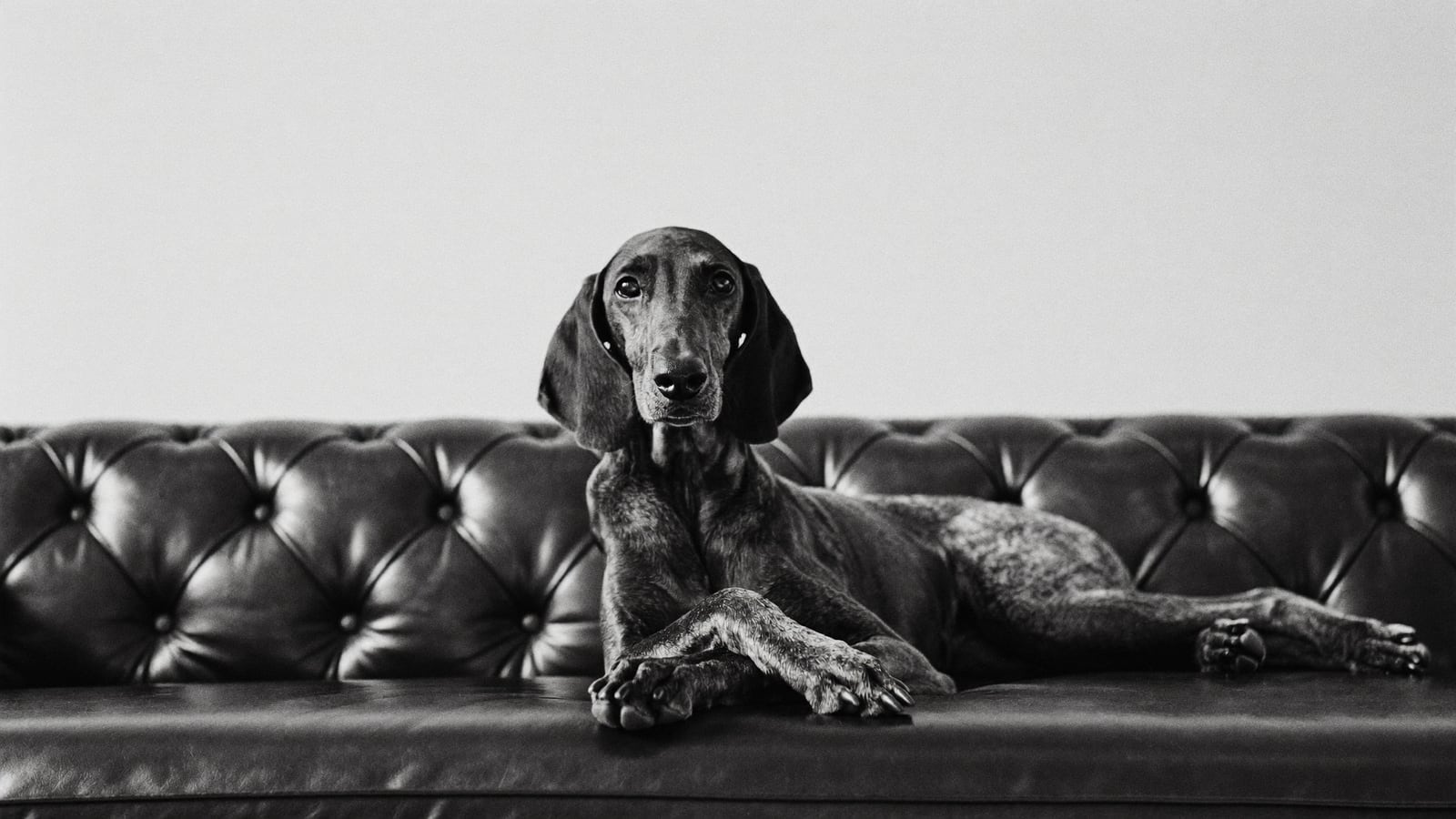
- Smooth coats: No haircut needed—keep to baths, brushing, nail care, and coat conditioning.
Hands, Heart, and Timing
Comfort-first grooming respects your dog’s body language. Shorter, more frequent sessions and cooperative handling translate to better results than occasional, all-day makeovers. For puppies and seniors, that gentle approach is everything.
Springfield, MO Seasons: What Your Dog’s Coat Is Up Against
In the Ozarks, weather swings and seasonal pollen put coats to the test. Here’s how to adapt:
- Spring: Pollen and mud meet shedding season—step up brushing and consider a de-shedding treatment to keep the coat breathing and the house cleaner.
- Summer: Sun exposure, swimming, and dust call for regular baths, UV-aware coat care (no close shaves), and thorough drying after water play.
- Fall: Another shedding spike for many dogs—brushing and blowouts help transition into winter.
- Winter: Dry indoor air can dehydrate skin; conditioning rinses and mindful coat care keep the barrier happy. Rinse off road salt from paws and legs after walks.
Everyday Tools We Love (and How to Use Them)
- Slicker brush: Use gentle, short strokes; let the pins do the work. Follow with a comb to check for snags.
- Undercoat rake or de-shedding tool: Use on dry, clean coats; work in the direction of hair growth to lift dead undercoat without scraping skin.
- Rubber curry/glove: Great for smooth coats to remove loose hair and boost circulation.
- Comb (coarse-to-fine): The truth-teller. If a comb won’t glide from skin to tip, mats are forming.
- Detangling spray/conditioning mist: Adds slip to reduce breakage and discomfort during brushing.
- Nail trimmers or grinder: Short nails support healthy posture and safer, more relaxed grooming experiences.
Red Flags to Watch (and What to Do Next)
Reach out to a professional groomer if you notice:
- Sudden, heavy shedding outside of seasonal patterns
- Persistent matting despite regular brushing
- Odor or dampness that returns quickly after baths
- Redness, excessive scratching, or flaky skin
These signs often have grooming solutions, but if you suspect a medical issue, consult your veterinarian. Groomers and vets make a great team for long-term coat and skin health.
How Professional Grooming Protects the Coat
Think of professional grooming as preventive care for hair and skin. At Dapper Doodle Grooming, we focus on:
- Full-service dog grooming that includes a high-quality bath, blowout, brush and comb-through, ear cleaning, nail care, and finishing touches tailored to coat type.
- Breed-appropriate haircuts for curly/wool and wire coats to balance style with coat integrity.
- De-shedding treatments that remove dead undercoat while respecting guard hairs.
- Puppy introductions with short, positive sessions that build lifelong confidence.
- Senior dog grooming with extra comfort, support, and calm handling.
Our atmosphere is intentionally low-stress, clean, and dog-first, so the grooming process supports the skin barrier, the coat’s natural function, and your dog’s sense of safety.
FAQs: Quick Answers to Common Coat Questions
How often should my dog be groomed?
As a starting point: curly/wool coats every 4–6 weeks; double coats every 6–10 weeks with seasonal de-shedding; smooth coats every 6–8 weeks for a bath and tidy. Home brushing frequency varies from weekly to several times per week depending on coat length and density.
What’s the difference between “hair” and “fur”?
They’re both made of keratin. The difference is how the follicles cycle and the texture/type of hair the breed grows. Many dogs have double coats; others have continuously growing hair that needs regular haircuts.
Will a shorter haircut make my dog shed less?
Shortening hair doesn’t change how much hair is shed—it only changes the length of shed hairs. De-shedding (removing dead undercoat) is the effective way to manage shedding, not shaving the coat.
Is it ever okay to shave a double coat?
There are rare exceptions (for example, extreme matting that can’t be humanely resolved), but routine shaving of double coats is not recommended because it reduces protection and can alter regrowth. Talk with a professional groomer about safer alternatives.
Why does my dog mat even though I brush?
Two common culprits: not reaching the skin during brushing and skipping the comb check. Brush in sections and always finish with a comb from skin to tip. Moisture trapped in the coat and friction zones (collar, armpits) also speed up matting.
A Simple, Science-Savvy Routine You Can Start This Week
- Set a realistic schedule: Put brushing on the calendar 2–4 times weekly for high-maintenance coats; once weekly for low-maintenance coats.
- Pair bath + blowout: Thorough drying with brushing dramatically reduces matting and odor.
- Use the comb test: If a comb can’t pass through, tangles are forming—address them before they tighten.
- Mind the season: Increase brushing and consider de-shedding during spring and fall in Springfield.
- Keep nails trim: Comfortable feet mean calmer, safer grooming sessions.
Why This Matters: Comfort Today, Health for the Long Run
When the coat and skin are cared for properly, dogs move more comfortably, stay cleaner longer, and feel their best. The payoff is more than a beautiful finish—it’s easier maintenance at home, fewer tangles, better odor control, and a dog who actually enjoys grooming time.
We’re Here to Help—Gently and Professionally
If you’re in Springfield, Missouri and want a partner who puts your dog’s comfort first, we’d love to meet you. Explore what calm, professional grooming looks like at Dapper Doodle Grooming, or give us a call with your coat-care questions. We’re happy to recommend a schedule that fits your dog’s breed, lifestyle, and needs.
Thoughtful Next Steps
- Soft: Start a brushing and combing habit this week and note how your dog’s coat responds.
- Medium: Book a maintenance bath and blowout to reset the coat before seasonal shedding ramps up.
- Strong: Ready for a low-stress, professional routine? Contact Dapper Doodle Grooming in Springfield at (417) 496-1588 or visit dapperdoodlegrooming.com. Our salon is located at 1929 E Independence St, Springfield, MO 65804.
Note: This article offers general grooming guidance and is not a substitute for veterinary care. If you notice sudden coat or skin changes, consult your veterinarian. Together, your vet and your groomer can keep your dog comfortable, protected, and dapper year-round.