Grooming Myths That Could Be Harming Your Dog
Grooming is more than a good haircut and a fresh bow. It’s a core part of your dog’s health, comfort, and confidence.
Debunking Common Dog Grooming Myths: What Springfield Dog Parents Should Know
Grooming is more than a good haircut and a fresh bow. It’s a core part of your dog’s health, comfort, and confidence. But with so much advice floating around online and at the dog park, it’s easy to feel unsure about what’s true. At Dapper Doodle Grooming in Springfield, MO, we believe in calm, compassionate care and clear education for every dog parent. Let’s break down the most common dog grooming misconceptions—so you can make confident, dog-first choices for your best friend.
Myth 1: “Shaving a double-coated dog keeps them cooler.”
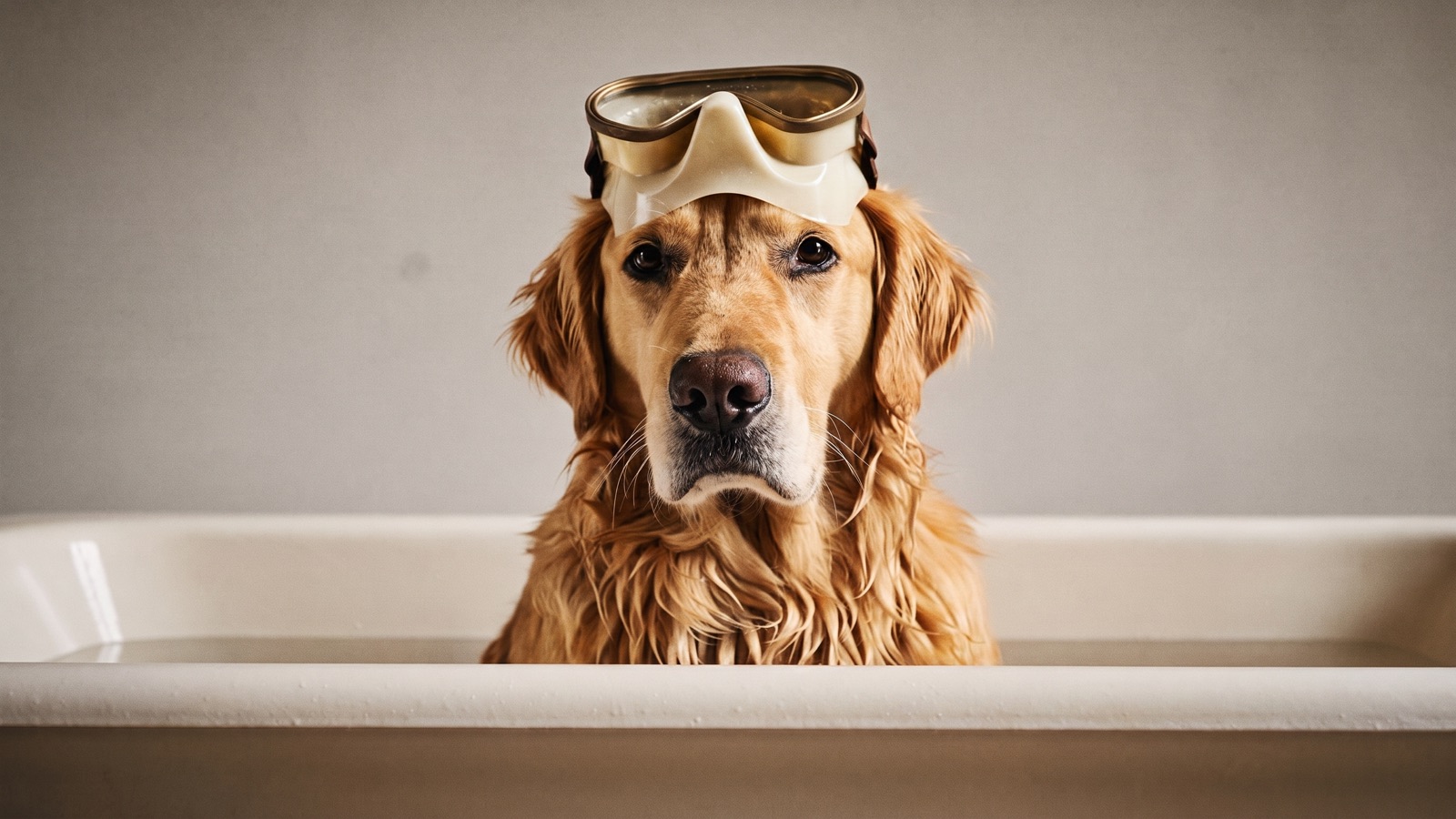
We hear this every summer, and the intention is kind—but it’s rarely the best choice. Double-coated breeds (think Huskies, Golden Retrievers, Australian Shepherds) rely on their topcoat and undercoat to regulate temperature. That coat helps insulate against heat and cold, protects the skin from sun exposure, and allows air to circulate when the undercoat is properly maintained.
Shaving can lead to:
- Disrupted coat function and texture changes during regrowth
- Higher risk of sunburn and skin irritation
- In some cases, patchy or slower regrowth
Better approach: routine de-shedding, regular baths and blowouts, and careful undercoat removal. For severely matted coats or specific medical reasons, shaving might be the most humane option—but it should be a last resort, tailored to each dog’s needs.
Myth 2: “Short-haired dogs don’t need grooming.”
Short-haired pups absolutely benefit from professional grooming. While they may not need haircuts, they still shed, collect dirt and oils, and need help with nails, ears, and skin health.
Professional grooming supports short-haired dogs by:
- Removing dead coat with a bath, blowout, and de-shedding tools
- Cleaning ears and checking skin for early signs of irritation
- Trimming nails to maintain healthy posture and joint comfort
- Keeping their coat glossy, clean, and odor-free
Myth 3: “Frequent baths dry out a dog’s skin.”
It depends on the products and technique. With dog-safe, pH-balanced shampoo and a thorough rinse and dry, many dogs do well with baths every 3–6 weeks. Active dogs, oily coats, or allergy-prone pups may even benefit from more frequent bathing as recommended by a professional or your veterinarian.
To protect skin health:
- Use dog-formulated, pH-balanced shampoos and conditioners
- Rinse thoroughly—residual product can cause itchiness
- Dry completely to prevent damp coat odors and skin discomfort
- Ask your groomer about gentle options for sensitive or dry skin
Myth 4: “If my dog walks on concrete, I can skip nail trims.”
Hard surfaces can dull nails slightly, but they rarely maintain a healthy nail length on their own. Overgrown nails can change a dog’s posture, stress the joints, and become painful. Dewclaws (the nails higher on the leg) don’t typically touch the ground and can curl quickly.
Signs nails are too long:
- You hear a “click-click” on floors
- Nails start to splay the toes or tilt the paw
- Your dog slips more often or seems hesitant to jump
Most dogs need trims every 2–4 weeks. Regular trims also help the quick (the sensitive inner part of the nail) recede gradually, allowing for shorter, safer nails over time.
Myth 5: “All mats can be brushed out if you try hard enough.”
We always put comfort first. While light tangles can be detangled gently, tight matting close to the skin can pull painfully, restrict movement, trap moisture, and cause skin irritation. In those cases, shaving is often the most humane choice. Prolonged or aggressive dematting can cause brush burn and unnecessary stress.
How to prevent matting:
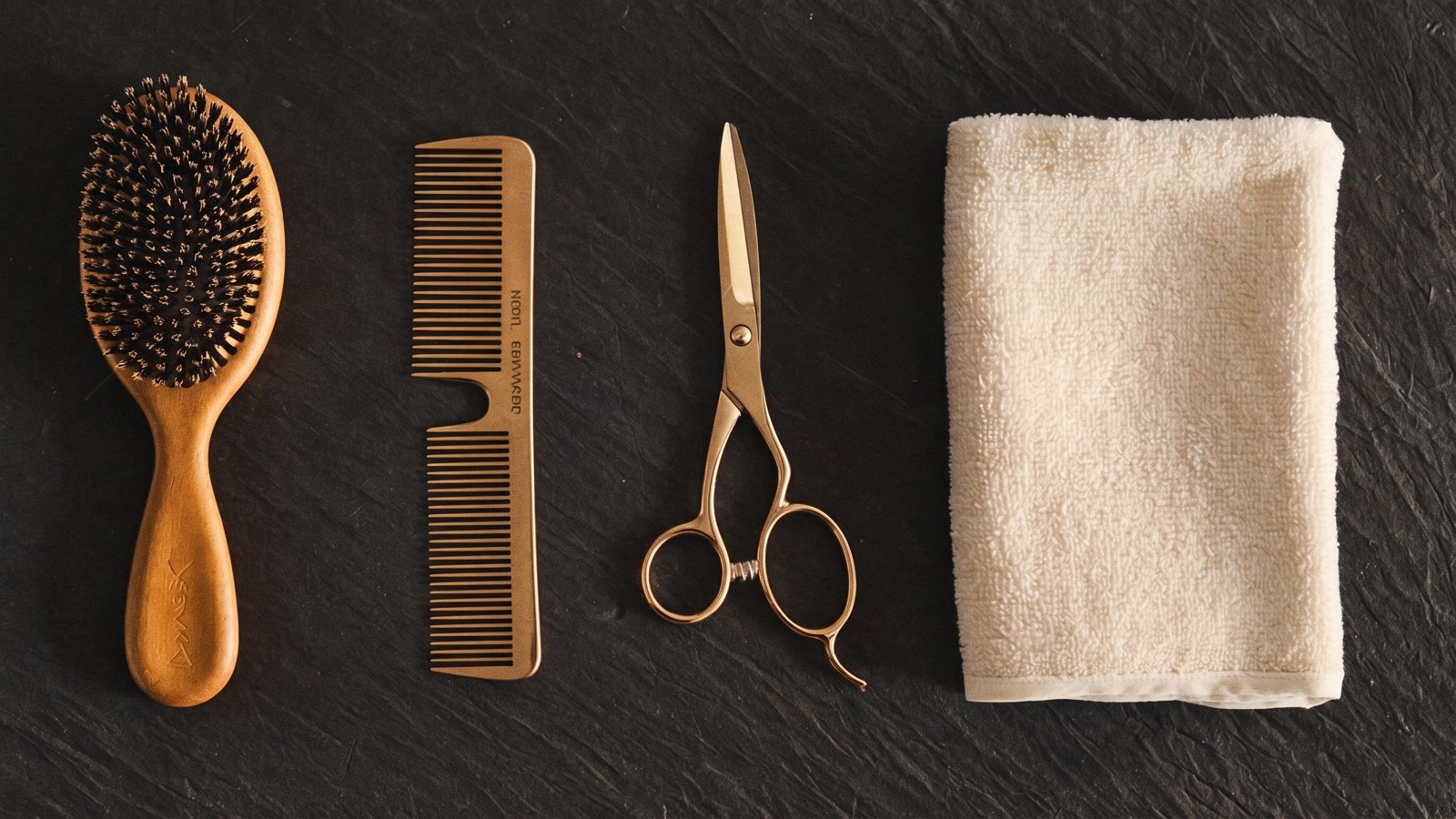
- Brush regularly using the right tools for your dog’s coat type
- Use a comb to check down to the skin—if the comb snags, there’s a tangle
- Keep high-friction areas (behind ears, armpits, tail) extra tidy
- Schedule consistent professional grooming to stay ahead of mats
Myth 6: “Grooming is just about looks.”
A healthy coat is often a sign of a healthy dog, and grooming plays a big part in that. Beyond cute haircuts, professional grooming supports your dog’s overall well-being by:
- Keeping skin and coat clean and free of buildup
- Removing shedding undercoat for better comfort and airflow
- Maintaining nails, paw pads, and sanitary areas
- Spotting changes early—like new lumps, hot spots, or ear irritation—so you can discuss them with your veterinarian
Grooming is a long-term investment in comfort, hygiene, and mobility—not just a style statement.
Myth 7: “Puppies should wait until they’re older to start grooming.”
Early, positive grooming experiences help puppies grow into confident adults. After your veterinarian clears your puppy for salon visits, short “happy visits” can make all the difference. Think gentle baths, low-dryer introductions, nail tips, and lots of calm reassurance.
Puppy grooming goals:
- Build trust with handling—paws, ears, face, and tail
- Introduce sounds and tools gradually
- Keep sessions short, positive, and full of praise
- Maintain a schedule to prevent fear or matting as the adult coat grows in
Myth 8: “Senior dogs can’t handle grooming.”
Older dogs can absolutely be groomed with comfort-focused modifications. At Dapper Doodle Grooming, we tailor the process to the individual dog: more breaks, non-slip surfaces, gentle handling, supportive slings when appropriate, and simplified styles that reduce upkeep at home.
Benefits for seniors:
- Clean, trimmed paws for safer walking
- Shorter nails to reduce stress on joints
- Hygienic trims that prevent mess and discomfort
- Regular check-ins that help you catch changes early
Myth 9: “If my dog is shaved once, the coat will never grow back the same.”
Shaved coats usually grow back, but regrowth can vary based on genetics, age, and coat type. Double coats may take longer to rebalance, and some dogs experience texture changes. That’s why we aim to preserve coat function whenever possible and use shaving as a humane solution for heavy matting, medical reasons, or safety.
If you’re considering a very short trim, your groomer can discuss coat type, lifestyle, and maintenance to choose the best approach for your dog.
Myth 10: “Dryers are scary or unsafe for dogs.”
Professional drying is an important part of a healthy groom. When done correctly, it clears out loose coat, prevents that “damp dog” smell, and supports skin health. Not all dryers are the same, and not all dogs need the same method. A calm, low-stress approach—with proper temperature control, noise awareness, and careful handling—helps many dogs relax and even enjoy the process.
For noise-sensitive pups, we adjust techniques to keep them comfortable, and we always prioritize safety and patience.
Myth 11: “Sedation is a normal part of grooming.”
Professional groomers do not sedate dogs. Only a veterinarian can prescribe or administer sedatives. If your dog experiences significant anxiety, talk with your vet about options. In the salon, we use low-stress, compassionate handling, and we may recommend shorter sessions or gradual desensitization to build confidence over time.
Myth 12: “Ear hair always needs to be plucked.”
Ear care is not one-size-fits-all. Some dogs do well with gentle trimming and regular cleaning; others may need a different approach. Over-plucking can sometimes irritate the ear canal. We take a conservative, comfort-first path and encourage dog parents to follow their veterinarian’s guidance for dogs with recurring ear issues.
Myth 13: “You can’t groom during shedding season.”
Shedding season is actually the perfect time for professional de-shedding. Targeted baths, blowouts, and coat care help release dead undercoat and keep your home cleaner. Regular appointments during seasonal coat changes make a major difference in shedding and your dog’s comfort.
Myth 14: “A single miracle shampoo will fix all skin problems.”
Even the gentlest shampoos are tools—not cures. Oatmeal, aloe, or hypoallergenic formulas can soothe and support skin, but persistent itch, odor, or redness should be evaluated by your veterinarian. Your groomer and vet make a great team for long-term skin and coat wellness.
How Often Should My Dog Be Groomed?
There’s no universal schedule, but here are helpful baselines:
- Long or curly coats (Poodles, Doodles, Shih Tzus): every 4–6 weeks for haircuts, plus at-home brushing 3–5 times per week
- Double coats (Golden Retrievers, German Shepherds): every 6–10 weeks for baths, blowouts, and de-shedding; more often during heavy shed seasons
- Short coats (Boxers, Beagles, Bulldogs): every 4–8 weeks for baths, nails, ear care, and de-shedding as needed
- Nails: usually every 2–4 weeks
- Puppies and seniors: shorter, more frequent visits focused on comfort
Your dog’s lifestyle, health, and coat type matter most. If you’re unsure, ask your groomer for a personalized plan that keeps your dog comfortable year-round.
At-Home Coat Care That Actually Helps
Consistent, gentle care at home makes every salon visit easier and keeps your dog feeling great between appointments.
- Brush by coat type:
- Curly/long coats: slicker brush plus a metal comb to the skin (line brushing)
- Double coats: undercoat rake and slicker brush; avoid harsh tools that scratch skin
- Short coats: rubber curry or grooming mitt to lift loose hair and stimulate skin
- Use a light detangling spray before brushing to reduce friction
- Check friction zones—behind ears, collar area, armpits, tail, and feet—every few days
- Keep nails tidy with trims or grinders; reward often to build positive associations
- Wipe paws and undercarriage after muddy walks to prevent tangles and buildup
- Clean ears gently with a dog-safe ear cleaner if recommended; avoid inserting cotton swabs into the canal
When Professional Grooming Makes the Biggest Difference
While at-home care is essential, a professional salon can handle the deeper work that protects skin, coat, and comfort—especially for:
- Heavy shedding or compacted undercoat
- Curly or long coats that mat easily
- Nervous puppies who need confidence-building introductions
- Senior dogs who benefit from comfort-focused handling
- Nail care that includes safe quick management and shaping
- Thorough drying to prevent dampness and odor
What Low-Stress Grooming Looks Like
Dog-first, low-stress grooming is at the heart of Dapper Doodle Grooming. We focus on:
- Calm, unhurried handling with positive reinforcement
- Clear communication about your dog’s preferences and sensitivities
- Temperature-appropriate bathing and drying
- Clean, safe tools and sanitized workspaces
- Reasonable style choices that support your dog’s lifestyle and comfort
Every dog is an individual. We tailor our approach—from puppy introductions to senior dog grooming—so the experience feels safe, predictable, and kind.
Building a Realistic Grooming Plan
Good grooming habits are sustainable and consistent, not extreme. Here’s a simple framework you can adapt:
- Daily: quick brush for long/curly coats; check eyes, paws, and collar area
- Weekly: more thorough brushing and combing; ear and paw checks; reinforce nail desensitization
- Monthly: professional bath and brush or full-service groom based on coat type
- Seasonally: extra de-shedding during heavy spring/fall coat changes
If life gets busy (it happens!), a professional standing appointment keeps your dog on track and prevents mats or overgrown nails from sneaking up.
Questions to Ask Your Groomer
Partnering with your groomer builds trust and gives your dog the best possible care. Consider asking:
- What tools and products fit my dog’s coat type and skin needs?
- How often should we schedule grooming for comfort and maintenance?
- Are there areas you recommend keeping shorter to avoid matting or irritation?
- What at-home brushing routine would make the biggest difference between visits?
- Do you have tips to help my puppy or senior dog feel more comfortable?
Dapper Doodle Grooming: Professional Dog Grooming in Springfield, MO
Located at 1929 E Independence St, Springfield, MO 65804, Dapper Doodle Grooming offers full-service dog grooming designed around your dog’s comfort. From soothing baths and blowouts to de-shedding treatments, breed-specific trims, puppy introductions, and senior dog grooming, we’re here to help your pup look and feel their best—without stress.
Explore our philosophy, services, and dog-first approach at Dapper Doodle Grooming. You’ll find a friendly team, clean environment, and thoughtful care for every stage of life.
Springfield’s Most Common Grooming Questions—Answered
“How do I know if my dog needs a professional groom or just a bath at home?”
If your dog’s coat tangles easily, sheds heavily, or feels greasy, a professional groom is usually best. Short-haired dogs do great with professional baths and blowouts too. Nails touching the floor or a lingering doggy smell are also signs it’s time.
“What if my dog is anxious?”
We take a slow, compassionate approach and can suggest shorter sessions or gradual desensitization. For significant anxiety, speak with your veterinarian; only a vet can determine if medication is appropriate.
“Can I prevent shedding?”
Shedding is natural, but you can reduce it. The combination of at-home brushing plus professional de-shedding treatments and thorough drying makes a noticeable difference—especially during seasonal “coat blow” periods.
Your Dog’s Grooming, Debunked and Done Right
Misconceptions can make grooming feel complicated. But with the right plan—and a patient, professional team—your dog can enjoy a clean, comfortable coat year-round. Whether you’re raising a wiggly puppy, managing a double-coated shedder, or supporting a senior sweetheart, we’re here to help.
Ready to create a stress-free grooming routine? Visit our Springfield dog grooming studio, call us at (417) 496-1588, or stop by 1929 E Independence St to learn more. We can’t wait to care for your best friend with gentle, expert grooming—Dapper Doodle style.