How Grooming Supports Working Dog Breeds
When a dog’s “office” is a field, barn, patrol car, or school hallway, grooming isn’t about picture-day fluff—it’s about function.
The Functional Grooming Guide for Working Dogs: Performance, Comfort, and Skin Health
When a dog’s “office” is a field, barn, patrol car, or school hallway, grooming isn’t about picture-day fluff—it’s about function. Working dogs rely on healthy skin, a well-managed coat, and comfortable nails and paws to perform at their best. Whether your dog is herding, retrieving, tracking, detecting, comforting, or guiding, a practical grooming routine supports focus, endurance, and well-being.
At Dapper Doodle Grooming in Springfield, MO, we specialize in calm, dog-first care that keeps working dogs clean, comfortable, and ready for the job. This guide covers everyday maintenance you can do at home, how to tailor care to your dog’s role and coat, and when a professional groom saves time and stress.
Why Functional Grooming Matters for Working Dogs
Good grooming does more than look tidy—it’s a performance advantage and a health safety net.
- Performance and traction: Proper nail length and trimmed paw-pad fur help your dog grip varied surfaces—barn floors, boat ramps, gym floors, gravel trails—reducing slips and muscle strain.
- Injury prevention: Regular brushing, sanitary trims, and gear-area checks help prevent matting, hot spots, burrs, and rub sores under harnesses or vests.
- Skin and coat health: Clean, well-brushed coats breathe better, shed water more effectively, and insulate against heat and cold as nature intended.
- Job-ready scent profile: For detection and tracking work, low- or no-fragrance products and thorough rinsing prevent distracting odors.
- Early issue detection: A quick, consistent routine helps you spot cuts, swelling, ticks, foxtails, or unusual odors so you can consult your veterinarian promptly.
Know Your Dog’s Coat and Job: Tailor the Approach
Working dogs often fall into a handful of coat types and job demands. The best routine blends both.
Double-Coated Dogs (Herding, Patrol, SAR):
Breeds like German Shepherds, Malinois, Australian Shepherds, and Huskies have a protective topcoat and insulating undercoat. Avoid shaving; it can disrupt temperature regulation and coat quality. Instead, focus on frequent de-shedding with an undercoat rake and slicker, plus professional blowouts during seasonal shedding. Keep sanitary areas neat, trim feathering for function (not fashion), and watch for gear-related friction behind ears and at collar/vest lines.
Water-Ready Coats (Retrievers, Spaniels):
Retrievers and spaniels benefit from regular brushing to prevent mats in feathering and tail. Dry ears thoroughly after water work; residual moisture can contribute to ear discomfort. Choose a moisturizing, pH-balanced shampoo to lift lake or pond residue without over-stripping natural oils. Keep feathering tidy to reduce debris and tangles.
Short Coats (Detection, Therapy, Service Dogs):
Short-coated athletes like Pointers, Labs, and many mixed-breed working dogs still need routine care. Curry brushes and rubber grooming gloves lift dirt, dander, and loose hair. Because short coats don’t hide much, they can show rubs or abrasions quickly—check under collars and harnesses daily. Nails and traction are especially important for polished floors and vehicle ramps.
Curly/Wool Coats (Poodles, Doodles in Service Roles):
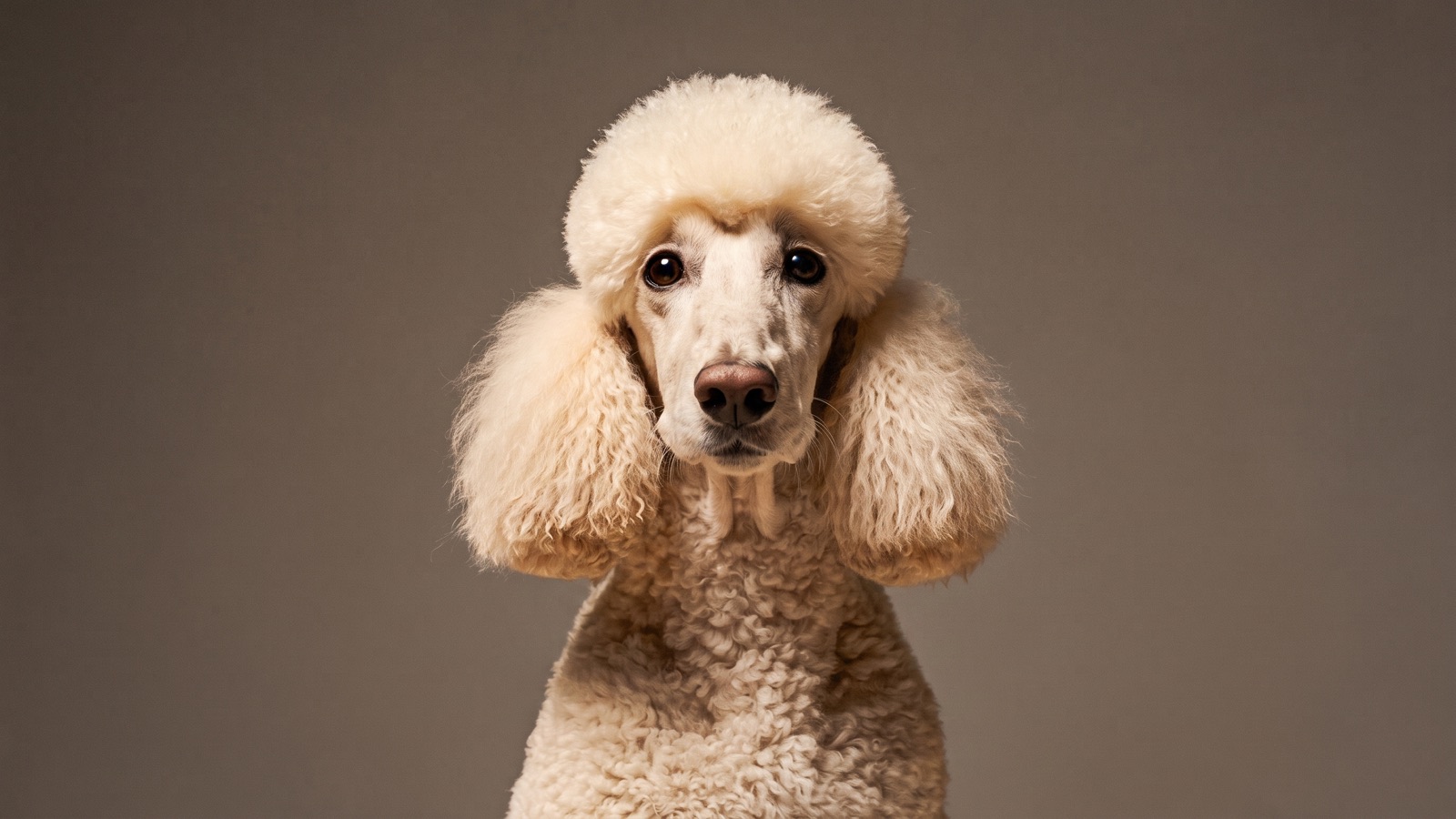
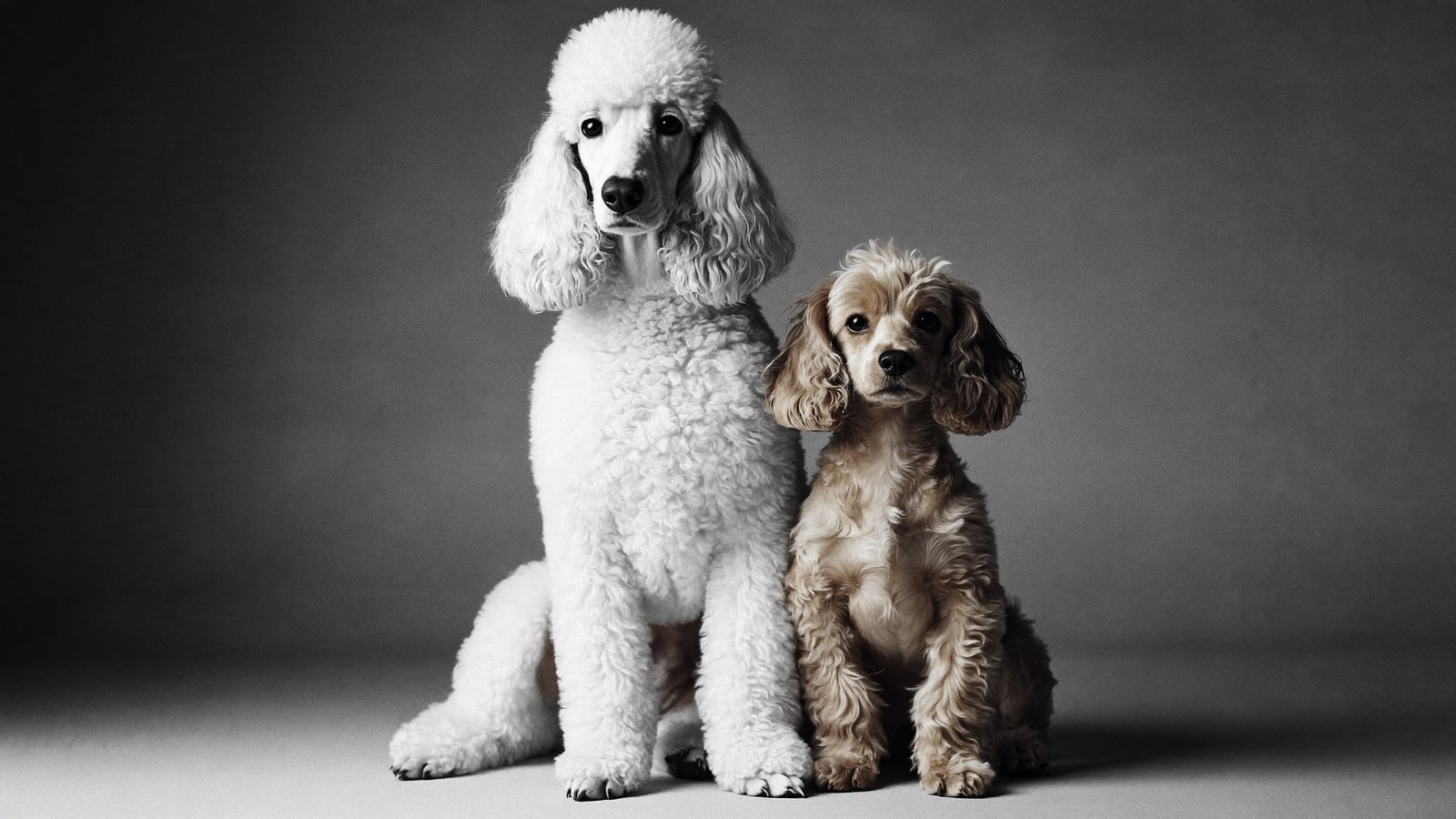
Curly and wool coats require consistent line-brushing and combing to the skin to prevent hidden mats, especially in friction zones (collar, armpits, ears). Regular professional trims keep the coat functional, clean, and easy to maintain between appointments. Maintain a tidy, sanitary trim that won’t interfere with gear.
Wire Coats (Schnauzers, Terriers):
Wire coats benefit from routine brushing and strategic trimming to keep furnishings neat and free of debris. Hand-stripping is a specialized technique—when coat texture matters, consult a professional to balance function and comfort.
The Core Routine: Daily, Weekly, and Monthly
A simple plan keeps you consistent even on busy days. Think “quick check, focused fix.”
Daily (2–10 minutes)
- Spot brush or wipe-down: After work or training, use a curry glove or slicker (coat-dependent) to lift dirt, burrs, and loose hair. For curly coats, use a detangling spray and a comb on friction zones.
- Paw and nail check: Clear debris between toes; wipe pads to remove road salt, fertilizer, or trail grit. Confirm nails aren’t clicking on hard floors.
- Gear zone scan: Check under harness, vest, and collar for tangles, matting, or rub spots. Shift gear placement slightly day-to-day to reduce pressure points.
- Ears and eyes: Make sure ears are dry after water work; gently wipe away visible dirt from outer ears and corners of the eyes with a damp cloth.
Weekly (15–30 minutes)
- Thorough brush and comb: For double coats, use an undercoat rake followed by a slicker. For curly coats, line-brush and then comb to the skin. For short coats, a curry glove plus a finishing mitt removes dander and boosts shine.
- Nail maintain: Trim or grind nails as needed; many working dogs benefit from weekly touch-ups to keep the quick short.
- Sanitary tidy: Trim or comb sanitary areas and feathering if they collect debris. Keep hair between pads trimmed to improve traction.
- Bath if needed: If your dog is muddy, exposed to contaminants, or has noticeable odor, bathe with a mild, dog-safe shampoo. Rinse thoroughly; residual product can cause itchiness.
Monthly (or every 4–8 weeks, depending on job and coat)
- Full-service bath and blowout: A professional high-velocity dry removes deep dander and undercoat that home tools can miss—especially valuable during shedding seasons.
- Coat shaping for function: Keep feathering, sanitary areas, tail, and head tidy to prevent matting and improve visibility.
- Ear care: Gentle, routine ear cleaning with a vet-recommended solution helps maintain comfort. Consult your veterinarian about specific products and techniques for your dog.
Job-Specific Touch-Ups
Detection and Scent Work
- Low- or no-fragrance products: Fragrance can be distracting. Choose neutral products and rinse thoroughly.
- Nails for quiet, confident footwork: Short nails improve traction on slick floors and reduce tapping noise in controlled environments.
- Coat that doesn’t shed into gear: Regular de-shedding and brushing help keep vehicles and equipment cleaner.
Search & Rescue and Tracking
- Debris control: After field work, check armpits, groin, belly, and tail for seeds, foxtails, and burrs. Address tangles before they tighten into mats.
- Paw protection: Clean and inspect pads for cuts; apply paw balm as advised for terrain. Consult your vet about boot use for rough or icy surfaces.
- Seasonal blowouts: A professional de-shedding session can keep overheating at bay by clearing dead undercoat.
Herding and Farm Work
- Feather and sanitary trims: Keep fringes practical to reduce stickers and mud buildup.
- Collar dent care: Rotate collars and brush the neck daily to prevent matting and skin irritation.
- Tick checks: After pasture work, check ears, undercarriage, and between toes; consult your veterinarian about year-round prevention.
Retrieving and Water Work
- Post-water ear dry: Gently dry ear flaps and the base after swims. If you notice redness or odor, consult your vet.
- Clarifying cleans when needed: Use a gentle, dog-safe shampoo to remove pond residue or algae without over-bathing.
- Feather maintenance: Comb out feathering before it dries to reduce tangles; a light conditioner can help.
Tools That Earn Their Space in Your Kit
- Slicker brush: Great for most coats to remove loose hair and surface tangles.
- Undercoat rake: Essential for double-coated breeds during shedding seasons.
- Rubber curry or grooming glove: Ideal for short coats to lift dander and boost circulation.
- Stainless steel comb: The truth-teller; if a comb reaches the skin without snagging, you’re tangle-free.
- Nail clippers or grinder: Keep nails short and edges smooth for traction and handler comfort.
- Styptic powder: For minor nicks during nail trims.
- Detangling/conditioning spray: Helps prevent matting in friction zones.
- Microfiber towels: Quick-dry, low lint, perfect for fieldwork cleanups.
For high-velocity drying, breed-specific trims, and intensive de-shedding, professional equipment and handling make a noticeable difference in comfort and results.
Bathing Smarter (Not Just More)
Over-bathing can strip natural oils, but active jobs sometimes demand more frequent baths. Aim for the lightest effective touch.
- Frequency: Many working dogs do well with a full bath every 4–8 weeks, plus spot-cleaning as needed. Water dogs or those encountering heavy dirt may need more frequent rinses.
- Product choice: Use a mild, dog-specific shampoo. For scent work, choose low- or no-fragrance. Follow with a light conditioner on longer coats to reduce friction and matting.
- Technique: Wet thoroughly, lather gently, and rinse until water runs clear and slick-free. Residual shampoo can cause itchiness.
- Drying: Towel to remove bulk water, then dry fully. For dense coats, a professional blowout helps prevent damp undercoat and odor.
Nails, Paws, and Traction
Nails affect how a dog plants their feet, accelerates, and turns. For working dogs, they’re a performance variable you can control.
- How short is “working short”? Nails should not tap the floor in a natural stance. Grinding weekly keeps the quick at bay and edges smooth.
- Dewclaws: Many working dogs rely on dewclaws for grip during tight turns. Keep them trimmed, not removed, unless your veterinarian advises otherwise.
- Pad fur: Trim excess hair between pads to prevent slips and packed snow or mud.
- Seasonal notes: Rinse paws after road salt or fertilizer exposure. In summer, check for hot asphalt; in winter, consider balm or boots on icy trails per your vet’s guidance.
De-Shedding and “Blowing Coat” Seasons
In Missouri, many double-coated dogs shed heavily in spring and fall. Clearing dead undercoat helps cooling in heat and avoids trapped humidity against the skin.
- Tools and timing: Use an undercoat rake first, then a slicker, and finish with a comb. Frequent short sessions are more comfortable than marathon brushing.
- Professional blowouts: High-velocity drying lifts compacted undercoat without over-brushing the skin—ideal for comfort and efficiency.
- Avoid shaving double coats: Shaving disrupts natural insulation and can change texture. Opt for de-shedding and targeted tidy trims instead.
Preventing Mats Under Working Gear
Mats often start where collars, vests, or harnesses rub—behind the ears, under the armpits, and along the chest and flanks.
- Daily reset: Remove gear after work and brush friction zones for 1–2 minutes.
- Line-brush method: Lift the coat in small sections and brush from skin outward; follow with a comb to confirm you’re mat-free.
- Rotation and fit: Alternate gear styles or placement and ensure a snug-but-not-tight fit to reduce rubbing.
- Detangle early: Use a light spray and your fingers to separate small knots before they become tight mats.
Puppies Entering Training: Start Grooming Like a Skill
For future service, therapy, or sport dogs, build “cooperative care” from day one. Short, positive sessions make life easier for everyone.
- Sound socialization: Introduce dryers, nail grinders, and clippers gradually with treats and breaks.
- Handling basics: Practice calm holds of paws, ears, and tail. Reward stillness and release on a cue.
- Salon introductions: Low-pressure visits to meet the groomer, stand on a table, and hear equipment sounds help puppies accept full grooms later.
Our puppy introductions at Dapper Doodle Grooming focus on confidence, gentle handling, and positive associations to support lifelong ease with professional grooming.
Senior Working Dogs: Gentle Adjustments, Big Payoffs
As dogs age, joints, skin, and tolerances change. Keep grooming comfortable and efficient.
- Shorter, more frequent sessions: Break grooms into easy segments to reduce standing time and fatigue.
- Warm water, soft drying: Ensure the room and water are warm; use lower dryer settings when needed.
- Non-slip footing: Bath mats and supportive holds increase comfort and safety.
- Skin sensitivity: Choose gentle products; if you notice persistent itchiness, redness, or odor, consult your veterinarian.
When Professional Grooming Helps Most
Even the most diligent handlers appreciate backup. Professional grooming saves time, reduces stress, and reaches what home tools can’t—especially for dense coats, heavy shedders, curly coats, and dogs with big jobs and busy schedules.
- Dense, shedding coats: High-velocity blowouts and de-shedding treatments quickly remove dead undercoat for cooling and comfort.
- Curly/wool coats: Routine trims and comb-outs keep coats functional and mat-free without daily battles.
- Senior dogs and puppies: Calm, low-stress handling and shorter sessions build trust and comfort.
- Post-adventure cleanups: Mud, burrs, and lake days are easier to reset with professional equipment and technique.
At Dapper Doodle Grooming, our full-service dog grooming, dog baths and blowouts, de-shedding treatments, breed-specific trims, puppy introductions, and senior dog grooming are designed for comfort, safety, and performance. We’re proudly located in Springfield, MO, and we take a dog-first, low-stress approach to every appointment.
Quick Answers for Working Dog Owners
How often should I bathe my working dog?
Most working dogs do well with a full bath every 4–8 weeks, with spot-cleaning as needed. Dogs regularly exposed to water, mud, or heavy pollen may need more frequent rinses. If you’re unsure, ask your groomer for a coat-specific plan and consult your vet for skin sensitivities.
Is fragrance okay for scent work dogs?
It’s best to choose low- or no-fragrance products and rinse thoroughly to prevent competing odors. This helps your dog stay focused on the job.
Should I shave my double-coated dog in summer?
No. Shaving can disrupt natural insulation and compromise the coat. Instead, schedule regular de-shedding and professional blowouts to remove dead undercoat and support cooling.
What’s the ideal nail length for working dogs?
Nails should not touch the ground when standing naturally. Weekly grinding helps keep them at an optimal length for traction and comfort.
How do I prevent mats under my dog’s harness or vest?
Brush friction zones daily for a minute or two, keep the gear clean, and rotate placement slightly. Use a detangling spray and comb to the skin weekly to catch small knots early.
My dog works in muddy or icy conditions. Any paw tips?
Rinse or wipe paws after exposure to mud, road salt, or de-icer. Trim hair between pads for traction and consult your vet about balms or booties for extreme conditions.
A Sample 15-Minute “After-Work” Reset
When time is tight, this fast routine keeps your dog comfortable and your gear clean:
- 1–2 minutes: Remove gear; brush behind ears, armpits, chest, belly line, and tail.
- 2–3 minutes: Curry or slicker over the whole body; follow with a quick rubdown towel.
- 2 minutes: Comb through feathering, tail, and sanitary areas.
- 2–4 minutes: Wipe paws and pads; trim pad hair if needed; quick nail check.
- 1 minute: Ear flap dry if damp; look for burrs or ticks.
- 1 minute: Reward and rest—job well done.
Partner With a Calm, Professional Groomer
Working dogs thrive when grooming is predictable, respectful, and efficient. We prioritize gentle, cooperative handling, clean and comfortable spaces, and thoughtful scheduling to keep stress low and results consistent.
If you’re in Springfield, Missouri, we’d love to support your dog’s routine. Learn more and get to know our team at Dapper Doodle Grooming. When you’re ready, call (417) 496-1588 or visit us at 1929 E Independence St, Springfield, MO 65804.
Your Dog’s Work Is Important—Groom for It
Functional grooming protects your dog’s comfort, supports performance, and helps you spot small issues before they become big problems. With a simple daily reset, weekly polish, and periodic professional care, your working dog stays focused on the job they love.
- Soft CTA: Not sure where to start? Explore options and our dog-first philosophy at Dapper Doodle Grooming.
- Medium CTA: Need a seasonal de-shed, a puppy introduction, or a senior comfort session? Our calm, low-stress approach is here to help.
- Strong CTA: Ready to book professional dog grooming in Springfield, MO? Call (417) 496-1588 and ask about baths and blowouts, de-shedding treatments, and breed-specific trims tailored to working dogs.