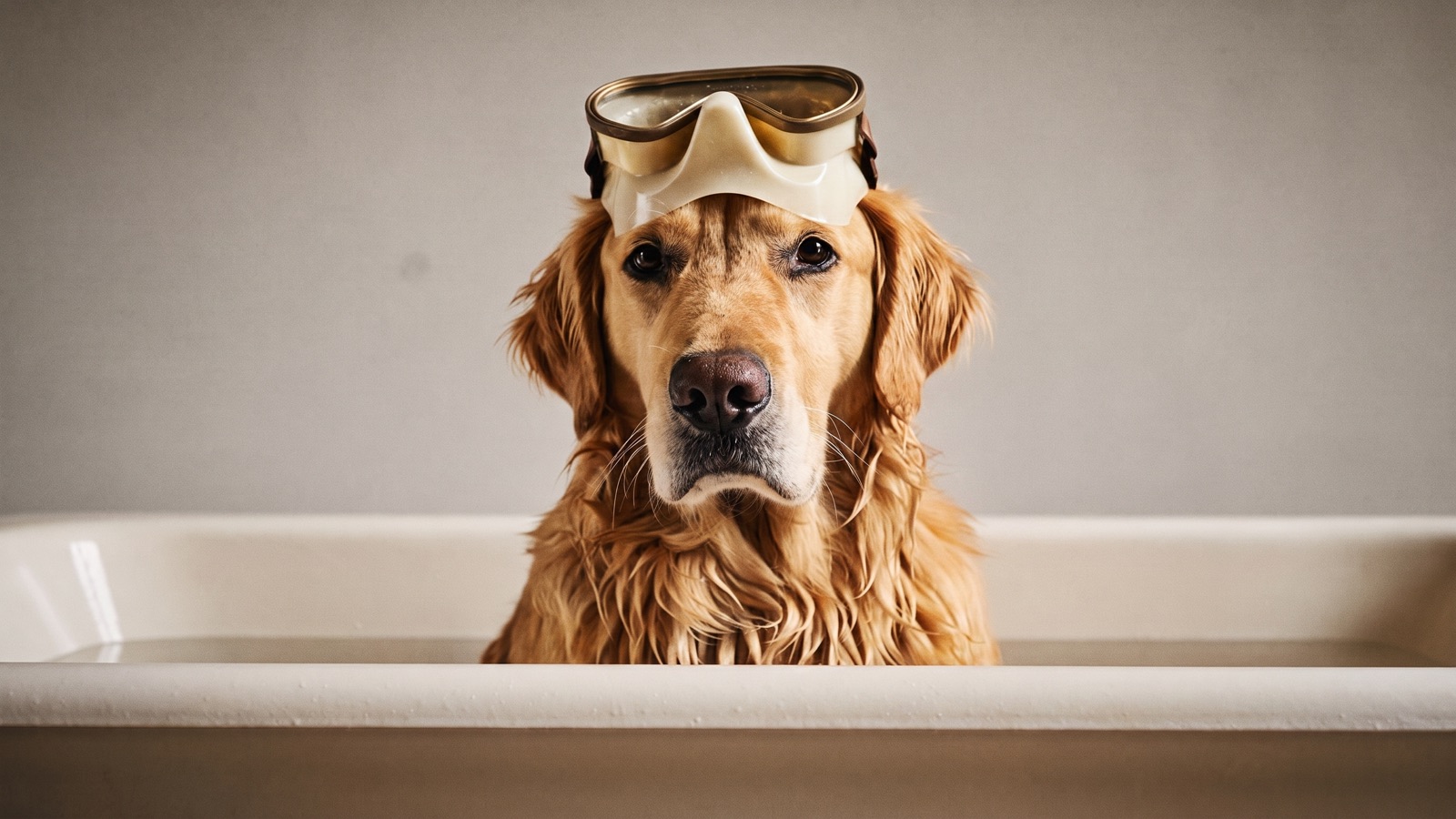
How Grooming Supports Your Dog’s Overall Wellbeing
If you see grooming as a “spa day” for your dog, you’re absolutely right—but it’s also so much more.
Grooming as Wellness: How a Thoughtful Routine Supports Your Dog’s Whole-Body Health
If you see grooming as a “spa day” for your dog, you’re absolutely right—but it’s also so much more. A consistent grooming routine is a powerful, preventive wellness habit. It helps protect skin and coat health, supports mobility, reduces stress, and gives you and your professional groomer regular opportunities to spot changes early. For health-focused dog parents, grooming is one of the simplest ways to help your dog feel great from nose to tail.
At Dapper Doodle Grooming in Springfield, MO, we take a dog-first approach to every service—from gentle puppy introductions to mindful senior dog grooming—so your pup’s comfort, safety, and well-being always come first. Below, we’ll walk through how grooming connects to wellness, what you can do at home, and when professional dog grooming services make all the difference.
Why Grooming Belongs in Your Dog’s Wellness Plan
Grooming sits at the intersection of hygiene, comfort, behavior, and preventive care. Here’s how a regular routine supports whole-body health:
- Skin and coat care: Clean, well-brushed coats allow skin to breathe, support a healthy barrier, and reduce irritation from loose hair, environmental allergens, and mats.
- Mobility and posture: Routine nail trimming helps prevent overgrown nails that can alter posture and gait, reducing strain on joints and tendons.
- Ear and eye comfort: Gentle cleaning can reduce buildup and help you spot changes like redness, excessive debris, or tear staining early.
- Hygiene and odor control: Regular bathing, blowouts, and sanitary trims keep your dog clean and comfortable—especially active dogs and those who love the outdoors.
- Early detection: Hands-on grooming creates opportunities to notice new lumps, hot spots, parasites, or skin changes. Groomers don’t diagnose, but we can point you to your veterinarian if something needs attention.
- Stress reduction: Calm, consistent, positive experiences at the salon help many dogs feel comfortable with handling, which reduces stress over time.
Skin and Coat Health: The Wellness You Can See
Your dog’s skin is their largest organ, and the coat is its first line of defense. A smart grooming routine supports that barrier and keeps your dog comfortable throughout the seasons.
Brushing is the foundation
Think of brushing as daily or weekly “skin therapy.” It removes loose hair, distributes natural oils, and prevents tangles that can trap moisture and irritants next to the skin. Mats don’t just look messy—they can pull at the skin, reduce air flow, and cause discomfort.
- Smooth, short coats: Use a soft bristle or rubber curry brush 1–2 times per week to lift shedding hair and stimulate the skin.
- Double coats (e.g., many herding, northern, or sporting breeds): Use a slicker brush and undercoat rake 2–4 times per week during shedding seasons to reduce heavy coat blow and keep skin clear.
- Long or curly coats: Daily to 3x weekly brushing with a slicker brush and comb down to the skin helps prevent mats behind the ears, under the collar, and in friction zones.
Tip: When your comb moves smoothly from skin to tip without snagging, you’re beating mats before they start.
Bathing and blowouts: More than “clean”
Regular baths remove pollen, dust, environmental debris, and excess oils—all of which can contribute to itch. A thorough blowout after the bath dries the coat to the skin and lifts dead hair, which is especially important for double-coated breeds. Leftover moisture in thick coats can lead to odor and irritation.
- Frequency: Most dogs do well with a bath every 4–8 weeks. Very active or allergy-prone dogs may need more frequent baths, while some may need less. Tailor to lifestyle and coat type.
- Shampoo choice: Gentle, dog-safe shampoos help protect the skin barrier. Avoid harsh detergents. If your dog has a skin condition, ask your veterinarian for product guidance.
- Drying matters: Proper drying reduces hot spots, removes loose undercoat, and helps maintain a healthy skin environment.
De-shedding as preventive care
Shedding isn’t just a housekeeping issue—excess dead coat can trap humidity and heat. Regular de-shedding treatments professionally lift and remove the undercoat while preserving the protective topcoat, supporting thermal comfort and skin wellness.
Nails, Paws, and Mobility
Overgrown nails can change how a dog’s paw meets the ground. This minor shift can ripple up through the wrists, elbows, shoulders, and spine, adding strain over time—especially in active and senior dogs. Routine nail trimming supports healthy posture and movement.
- How often: Every 2–4 weeks is a good starting point. If you hear clicking on hard floors, it’s time for a trim.
- Dewclaws: Don’t forget them—these grow quickly and can snag if neglected.
- Paw care: Keep hair neatly trimmed around pads for traction, check for burrs or debris after outdoor adventures, and dry paws after wet walks.
Ears, Eyes, and Sanitary Care
Simple, consistent hygiene helps prevent discomfort and catches changes early.
- Ears: Routine gentle cleaning can remove normal wax and debris. If you notice redness, discharge, a strong odor, or head-shaking, contact your veterinarian.
- Eyes: Wipe away debris with a soft, damp cloth. Persistent tearing, staining, or squinting warrants a veterinary visit.
- Sanitary trims: Keep areas clean to reduce odor, matting, and irritation. This is especially helpful for long-coated breeds.
Stress, Behavior, and the “Wellness” of a Calm Experience
True wellness includes emotional health. Low-stress, professional dog grooming is designed to make handling as positive and predictable as possible. At Dapper Doodle Grooming, we use patient, humane techniques, communicate clearly with dogs and their people, and keep a clean, calm environment so your pup can relax.
- Consistency builds confidence: Regular, short sessions are more reassuring than occasional marathon grooms.
- Positive introductions: Many dogs benefit from “happy visits” where they meet the team, sniff the space, and practice handling in short, upbeat sessions—no full groom required.
- Breaks and pacing: Especially for puppies and seniors, brief breaks help keep the experience comfortable and low-stress.
From Puppy to Senior: Tailoring Grooming Across Life Stages
Puppy grooming: Set the tone early
Puppy grooming is about gentle exposure and positive associations. Early, calm introductions to bathing, blow-drying, brushing, nail trims, and handling set the stage for a lifetime of stress-free care.
- Start early: Schedule short puppy introductions once your veterinarian clears your puppy for public outings. Even a simple brush-and-nail appointment can build confidence.
- Homework: Practice brief at-home brushing sessions, touching paws and ears, and rewarding calm behavior.
- First trims: Keep first sessions short and sweet. Focus on neat feet, face tidy-ups, and getting used to the process.
Adult dogs: Fine-tune your routine
For adult dogs, grooming frequency depends on coat type, lifestyle, and activity level. Whether your dog needs a tidy every 4–6 weeks or a full haircut and blowout every 6–8 weeks, a consistent schedule makes upkeep easier and more comfortable.
Senior dogs: Comfort comes first
Senior dog grooming focuses on comfort, safety, and thoughtful pacing.
- Shorter sessions, more breaks: Older dogs may tire easily or have stiff joints.
- Non-slip support: Grippy surfaces and gentle handling help arthritic dogs feel secure.
- Nail care: Frequent trims can support posture and joint comfort.
- Customize the plan: If standing is hard, we can adjust the grooming flow to keep your senior comfortable.
How Professional Grooming Complements Your Home Routine
Think of at-home care as daily or weekly maintenance and professional dog grooming as your thorough reset. Both are essential.
At-home wellness checklist
- Brush as recommended for your dog’s coat type, checking common mat zones: behind ears, chest, under collar or harness, armpits, tail, and hindquarters.
- Wipe paws after outdoor time; check for burrs, foxtails, and small cuts.
- Glance at ears and eyes weekly for changes in odor, redness, discharge, or swelling.
- Keep nails short; if clipping is stressful, file a little every few days or have your groomer help.
- Clean teeth as recommended by your veterinarian to support oral health.
What your groomer adds
- Thorough, coat-appropriate bathing and blowouts that fully dry to the skin and remove dead coat.
- De-shedding services to manage seasonal coat blow and reduce household hair and dander.
- Breed-specific haircuts and tidy-ups that keep your dog comfortable and easy to maintain.
- Professional nail trimming and grinding for smooth, comfortable nails and proper posture.
- Professional eye and ear hygiene to keep your dog fresh and comfortable between vet visits.
Suggested Grooming Cadence by Coat Type
Every dog is unique, but these ranges are a helpful starting point:
- Short/smooth coats: Professional bath, blowout, nail trimming, and ear/eye hygiene every 4–8 weeks; brush 1–2x weekly at home.
- Double coats: Professional bath and de-shedding every 4–8 weeks, with more frequent services during spring/fall shedding; brush 2–4x weekly at home.
- Long/feathered coats: Professional bath and tidy every 4–6 weeks; brush 3–5x weekly at home.
- Curly/wool coats: Professional full-service dog grooming every 4–6 weeks to prevent matting; daily to 3x weekly brushing and combing at home.
Note: If your dog develops skin changes, odor, or persistent itch, pause new products and check with your veterinarian. Professional grooming supports wellness best when paired with your vet’s guidance for medical concerns.
Seasonal Wellness: Adjusting for Weather and Lifestyle
- Spring: Expect increased shedding. Regular de-shedding, bathing, and blowouts remove pollen and loose undercoat, supporting skin comfort.
- Summer: Clean, detangled coats allow air to circulate. Keep nails trim for secure footing on hikes and patios. Avoid shaving double coats; preserving the topcoat protects the skin.
- Fall: Another shedding season for many double-coated dogs. A professional de-shedding treatment helps manage coat changes.
- Winter: Dry indoor air can affect skin. Gentle moisturizing shampoos and complete drying support the skin barrier. Trim, don’t shave, to keep coats functional.
How Dapper Doodle Grooming Makes Wellness Feel Effortless
Our team delivers professional dog grooming with a calm, low-stress approach. We’re here to help you keep your dog healthy, comfortable, and confident—without turning grooming into a chore.
- Dog-first care: Gentle handling, clear communication, and a pace that matches your dog’s needs.
- Cleanliness and comfort: Fresh, tidy workspaces and thoroughly sanitized tools for a premium, luxury dog grooming experience.
- Services that support wellness: Full-service dog grooming, dog baths and blowouts, de-shedding treatments, haircuts and breed-specific trims, puppy introductions, and senior dog grooming.
- Consistency: Regular appointments reduce stress and make at-home care easier.
If you’re curious about how our services fit your dog’s routine, explore Dapper Doodle Grooming to see how we approach coat care, nail trimming, stress reduction, and more. Visit Dapper Doodle Grooming to learn more and get a feel for our dog-first philosophy.
Wellness Red Flags: Groom at Home or Call the Vet?
Grooming is preventive, not medical care. If you notice any of the following, consult your veterinarian:
- Persistent redness, strong odor, discharge, or swelling in ears or eyes
- Sudden hair loss, open sores, or intensely itchy skin
- New or rapidly changing lumps
- Pain when touched, limping, or sudden behavior changes related to grooming
We’re happy to coordinate with your veterinary team when needed. Clear communication helps everyone support your dog’s health.
Springfield, MO Lifestyle: Active Dogs, Practical Grooming
Here in Springfield, Missouri, many dogs hike trails, splash at lakes, and join their families on patios and in parks. Outdoor adventures are great for physical and mental health—and they make smart grooming even more important.
- Post-adventure rinse or wipe-down: Remove dirt and pollen to protect skin and keep the house tidy.
- Weekly paw checks: Look for burrs, small cuts, or tender spots after trail time.
- Seasonal de-shedding: Manage coat blow so your pup stays comfortable while you keep shedding under control at home.
- Regular nail trims: More activity can wear nails down, but not always evenly—routine trims keep things balanced.
Answers to Common Grooming-and-Wellness Questions
How often should my healthy dog be groomed professionally?
Most dogs thrive with professional grooming every 4–8 weeks, depending on coat type and lifestyle. Curly and long-coated dogs may need more frequent appointments to prevent matting. Short and double-coated dogs still benefit from routine baths, blowouts, and de-shedding to keep skin and coat in peak condition.
Can grooming help with shedding and allergies in my home?
Yes. Professional bathing, blowouts, and de-shedding treatments remove loose hair and dander at the source, reducing what ends up on your floors and furniture. Clean, detangled coats also trap fewer environmental allergens.
My dog is anxious about grooming. What can I do?
Consistency, short sessions, and positive reinforcement are key. Schedule regular visits, request a slow, calm approach, and practice gentle handling at home. We also offer puppy introductions and mindful senior care to build confidence at a comfortable pace.
Is shaving the best way to keep my dog cool?
Not necessarily. For many double-coated dogs, shaving can remove the protective topcoat that helps regulate temperature and shield skin. Instead, focus on de-shedding, thorough blowouts, shade, hydration, and avoiding peak heat. Ask your groomer what’s best for your dog’s specific coat.
Build Your Dog’s Wellness Routine—One Groom at a Time
Healthy dogs aren’t just bathed—they’re cared for with intention. By viewing grooming as wellness, you support your dog’s skin, coat, posture, and comfort while keeping stress low and catching changes early. Whether you’re raising a confident puppy, maintaining an active adult’s coat, or keeping a senior comfortable, the right schedule makes all the difference.
Ready to make grooming a calm, health-forward habit? We’d love to help. Learn more about our approach and plan your pup’s routine with Dapper Doodle Grooming in Springfield, MO. Prefer to chat? Call us at (417) 496-1588 or stop by 1929 E Independence St, Springfield, MO 65804.
Here’s to cleaner coats, happier nails, and a dog who looks—and feels—fantastic.