How Often Should You Groom Your Dog? A Breed-by-Breed Guide
If you’ve ever looked at your dog’s coat and wondered, “Is it time for a groom?” you’re not alone.
How Often Should You Groom Your Dog? A Breed-Type Guide for Stress-Free Care
If you’ve ever looked at your dog’s coat and wondered, “Is it time for a groom?” you’re not alone. Grooming frequency isn’t one-size-fits-all—different coats need different care. The right schedule keeps skin healthy, reduces shedding and matting, and helps your dog feel their very best. As your friendly neighborhood grooming team at Dapper Doodle Grooming in Springfield, MO, we’re here to make it clear, simple, and stress-free to plan a routine that fits your dog’s coat type, lifestyle, and comfort.
Below you’ll find an easy, breed-type breakdown—plus practical tips for puppies and seniors—so you can set a grooming routine that works at home and in the salon.
Why Grooming Frequency Matters
Regular grooming does far more than keep a dog looking sharp. It supports:
- Skin health: Bathing and brushing remove dirt, dander, and loose hair, helping skin breathe and stay comfortable.
- Mat prevention: Tangles can tighten into mats, which pull at the skin and trap moisture. A steady routine stops mats before they start.
- Shedding control: Targeted de-shedding reduces the amount of hair on your floors and furniture.
- Nail comfort: Regular nail trims protect joints and posture and keep paws stable on slippery floors.
- Hygiene and comfort: Clean ears, a fresh coat, and trimmed sanitary areas help your dog feel fresh and move freely.
Professional dog grooming complements your at-home care. Together, they create a low-stress rhythm that fits your dog’s needs.
Quick Signs Your Dog Is Due for Grooming
- Coat feels sticky, greasy, or dusty
- Loose clumps of hair or “tumbleweeds” around the house
- Small tangles behind ears, in armpits, or along the collar/harness line
- Nails clicking on the floor or snagging on fabrics
- Odor that persists after brushing
- Seasonal shedding spikes (especially spring and fall in Missouri)
How Often to Groom by Coat Type
Use the guidelines below as a starting point. Your dog’s age, health, activity level, and home environment may shift the schedule a bit. When in doubt, we’re happy to help you build a personalized plan that keeps your dog comfortable year-round.
Smooth/Short Single Coats
Examples: Beagle, Boxer, Doberman, American Pit Bull Terrier, Dalmatian
- Brushing: 1–2 times per week with a rubber curry or soft bristle brush to lift loose hair and distribute natural oils.
- Baths: Every 4–8 weeks, depending on activity and odor. Gentle shampoos help maintain skin balance.
- Professional grooming: Every 4–8 weeks for a thorough bath, blowout, nails, ear cleaning, and coat polish. A pro blowout removes more shed hair than brushing alone.
- Nails: Every 2–4 weeks.
Short coats still shed and can get dry or dull without regular care. A predictable bath-and-blowout cycle keeps skin comfy and shedding manageable.
Short, Dense Double Coats
Examples: Labrador Retriever, Pug, Pembroke Welsh Corgi
- Brushing: 2–3 times per week with an undercoat rake and slicker brush.
- Baths and de-shedding: Every 4–6 weeks. Increase frequency during seasonal sheds.
- Professional grooming: Every 4–6 weeks for targeted de-shedding and a high-velocity blowout to release the undercoat.
- Nails: Every 2–4 weeks.
Dense double coats benefit from regular, focused undercoat removal. Avoid shaving; it can affect coat function and regrowth.
Medium/Long Double Coats
Examples: Siberian Husky, German Shepherd, Golden Retriever, Pomeranian, Australian Shepherd
- Brushing: 3–5 times per week, more often during blowout seasons. Use an undercoat rake, slicker brush, and metal comb to check for tangles behind ears, in pants/feathers, and around the ruff.
- Baths and de-shedding: Every 4–8 weeks.
- Professional grooming: Every 4–8 weeks for bath, de-shed, feet/feather tidying, sanitary trim, and ear cleaning. The blowout step is essential to release packed undercoat.
- Nails: Every 2–4 weeks.
For double-coated breeds, we recommend trimming only areas that need tidying (feet, feathers, sanitary). Shaving can reduce natural insulation and may change coat texture.
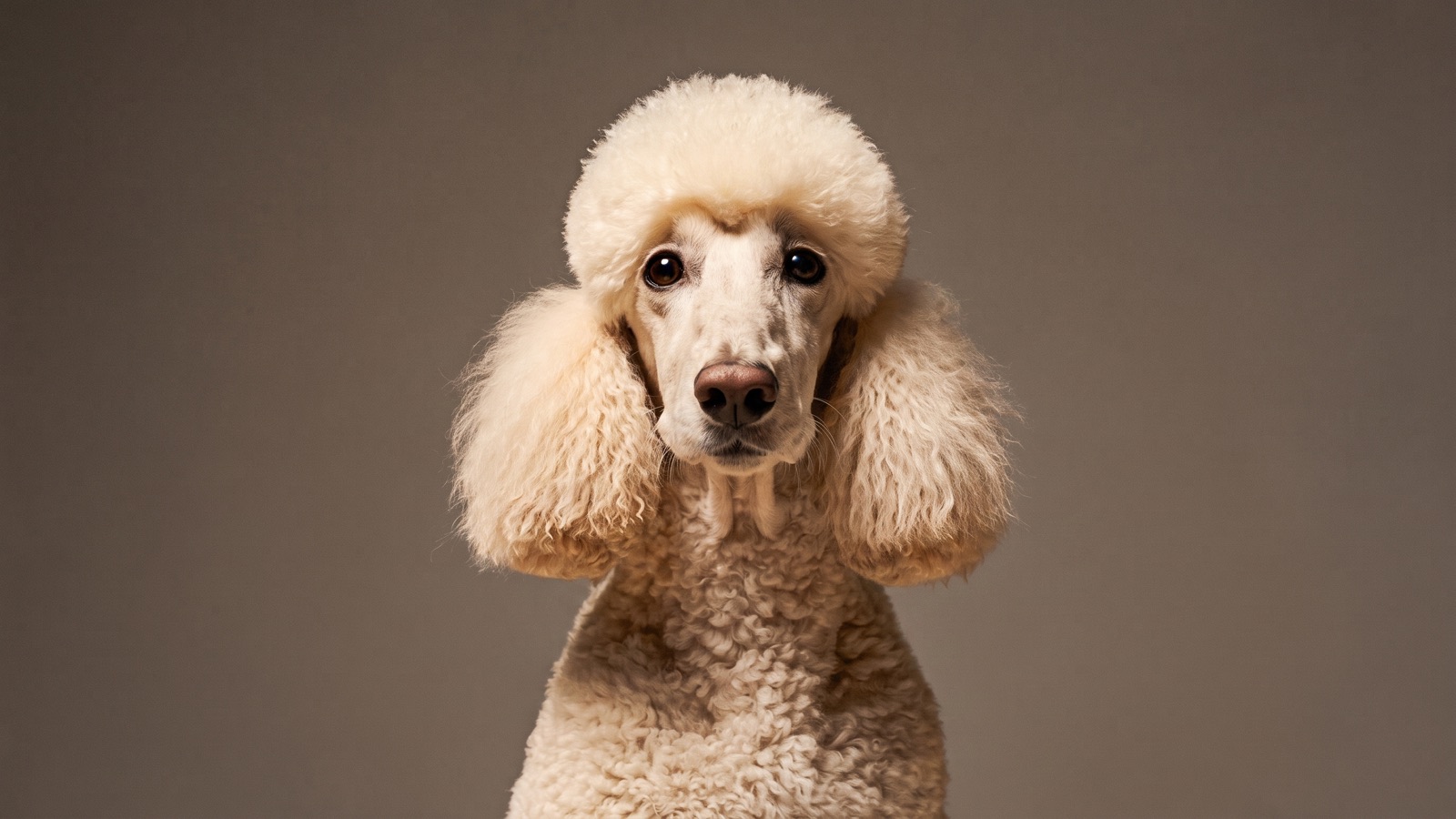
Curly/Wool Coats
Examples: Poodle, Doodle mixes, Bichon Frise, Portuguese Water Dog
- Brushing and combing: 3–7 times per week. Line-brush in sections and always follow with a metal comb all the way to the skin to catch hidden tangles.
- Baths: Every 4–6 weeks to keep coat clean and manageable.
- Haircuts: Every 4–8 weeks, depending on coat length and desired style. Shorter clips can extend time between grooms; fluffy styles need closer intervals.
- Professional grooming: Every 4–6 weeks is ideal for most curly coats to prevent matting and maintain shape.
- Nails: Every 2–4 weeks.
Curly and wool coats don’t shed like double coats, but they do mat. Consistent at-home combing plus regular salon visits is the best defense against tight tangles.
Silky/Drop Coats
Examples: Shih Tzu, Yorkshire Terrier, Maltese, Havanese
- Brushing and combing: Daily for longer styles; 3–4 times per week for shorter “puppy cuts.” Focus on ears, armpits, cheeks, and tail.
- Baths: Every 3–4 weeks for cleanliness and easy detangling.
- Haircuts: Every 4–6 weeks to maintain shape and comfort.
- Professional grooming: Every 4–6 weeks helps manage fast-growing hair and sensitive facial areas.
- Nails: Every 2–4 weeks.
Because hair grows continuously, face and eye-area hygiene are key. Regular trims help keep hair out of the eyes and mouth for comfort and visibility.
Wire-Coated/Hand-Stripped Breeds
Examples: Airedale Terrier, Welsh Terrier, Wire Fox Terrier, Border Terrier, Schnauzer
- Brushing: 2–3 times per week; use a slicker and comb to prevent tangles in furnishings (legs, beard, eyebrows).
- Hand stripping/cardening: Typically every 6–12 weeks to maintain harsh texture and rich color. Some family pets are kept in clippered trims; the frequency remains similar (every 4–8 weeks).
- Baths: Every 4–6 weeks, or paired with hand-stripping sessions based on coat condition.
- Professional grooming: Every 4–8 weeks for tidy-up or 6–12 weeks for hand-stripping plans.
- Nails: Every 2–4 weeks.
If you prefer a hand-stripped look, keep up with regular carding between appointments to reduce bulk and maintain that classic wire texture.
Spaniels and Feathered Coats
Examples: Cocker Spaniel, Cavalier King Charles Spaniel, English Springer Spaniel, Setters
- Brushing and combing: 3–4 times per week, focusing on ears, chest, belly, and feathering.
- Baths: Every 4–6 weeks; ears and feathering benefit from consistent care.
- Professional grooming: Every 4–6 weeks for bathing, feet and sanitary trims, ear care, and coat thinning or shaping as appropriate.
- Nails: Every 2–4 weeks.
Feathering mats quickly—especially with outdoor play or moisture. A steady schedule keeps coats airy and tangle-free.
Hairless or Very Low-Coat Dogs
Examples: Xoloitzcuintli, Chinese Crested (Hairless)
- Baths: Every 2–4 weeks with gentle products suited to sensitive skin.
- Professional grooming: As needed for nails, ears, and hygiene tidy-ups.
- Nails: Every 2–4 weeks.
Because these breeds lack the protective buffer of a full coat, keep products gentle and routines consistent. If you have skin-care questions, your veterinarian can advise on specifics for your dog.
Puppies: Build a Positive Routine Early
Puppies benefit from frequent, gentle introductions to grooming so it becomes a normal, happy part of life. Once your veterinarian gives the green light for salon visits, aim for short, positive sessions every 3–4 weeks to practice the basics: brushing, feet handling, blow-dryer noise, gentle bathing, and nail trims. At home, spend a few minutes each day touching paws, ears, tail, and collar areas and offering praise and treats.
Early, low-stress grooming helps prevent fear and makes maintenance easier for life—especially for curly and long-haired puppies who can mat quickly. Our team at Dapper Doodle Grooming loves to make first visits sweet, calm, and confidence-building.
Senior Dogs: Comfort Comes First
For senior pups, we prioritize short, comfortable sessions and predictable schedules. Mobility changes can make mats more likely in pressure areas (elbows, hips) and make long nails uncomfortable. Consider:
- Slightly more frequent “light” grooms: Every 4–6 weeks for bath, brush, sanitary trim, and nails to reduce coat bulk and keep skin clean.
- Regular nail care: Every 2–3 weeks helps with traction and comfortable movement.
- Quiet appointment times: A calmer environment helps reduce stress and fatigue.
We adjust handling and timing to meet older dogs where they are—comfort is always the priority.
Lifestyle Factors That Change the Schedule
Even within a breed type, your dog’s environment and habits can shift the ideal grooming frequency. Consider:
- Activity level: Hikers, swimmers, and frequent fetch players may need more frequent baths and brush-outs.
- Season and climate: In Springfield, Missouri, spring and fall blowouts increase de-shedding needs for double-coated dogs.
- Home grooming habits: Daily combing can extend time between haircuts for curly/drop coats; infrequent combing shortens it.
- Allergies or sensitivities: If your dog is prone to itchiness, a steady bath schedule with gentle products may be helpful. Always follow your veterinarian’s guidance for medical concerns.
- Coat length preference: Shorter haircuts are lower maintenance; longer styles require tighter salon intervals.
What a Professional Groom Includes (and Why It Matters)
While at-home brushing is essential, professional dog grooming offers deeper coat care and finishing that keeps skin and hair healthy:
- Thorough bathing and rinsing: Lifts dirt and dander without stripping natural oils.
- High-velocity blowout: Essential for releasing packed undercoat and speeding drying to prevent damp, musty coats.
- Brushing, combing, and de-shedding: Targeted tools reduce shedding and prevent matting.
- Breed-specific or lifestyle haircuts: From tidy puppy cuts to tailored trims.
- Nail trimming and filing: Keeps paws comfortable and safe.
- Ear and sanitary care: Keeps sensitive areas clean and comfortable.
At Dapper Doodle Grooming, we’re committed to calm, low-stress sessions and dog-first handling. A consistent professional schedule builds trust, comfort, and that “fresh from the spa” feeling your pup—and your home—will appreciate.
At-Home Maintenance Between Appointments
- Choose the right tools:
- Slicker brush for most coats; gentle pressure, short strokes
- Metal comb for checking your work (a comb that glides from skin to tip means you’ve removed tangles)
- Undercoat rake for double-coated breeds
- Rubber curry for smooth, short coats
- Brush before baths: Water tightens tangles into mats. A quick pre-bath brush makes everything easier.
- Dry thoroughly: Especially with double coats and curly coats, ensure the coat is fully dry and brushed through to avoid damp spots that can cause discomfort.
- Keep nails short: If you hear clicking, it’s time for a trim.
- Check the common trouble spots: Behind ears, under collars and harnesses, armpits, tail base, and hindquarters.
Sample Monthly Schedules
Here are practical, low-stress rhythms many families find successful. Adjust a week or two either way to match your dog’s lifestyle.
- Curly/Wool Coat (e.g., Doodle, Poodle):
- Daily: 5–10 minute line-brush and comb
- Weekly: Deep comb-through, check trouble spots
- Every 4–6 weeks: Professional bath, haircut, nails, ears
- Medium/Long Double Coat (e.g., Husky, Golden Retriever):
- 2–3x weekly: Undercoat rake + slicker brush
- Seasonal: Increase brushing during spring/fall blowouts
- Every 4–8 weeks: Professional de-shed, blowout, tidy
- Short, Dense Double Coat (e.g., Labrador, Corgi):
- 2x weekly: Curry/rake and quick comb-through
- Every 4–6 weeks: Professional bath, blowout, de-shed, nails
- Silky/Drop Coat (e.g., Shih Tzu, Yorkie):
- Daily: Face combing, light detangle in armpits and ears
- Every 4–6 weeks: Professional tidy or full haircut, bath, nails
- Smooth/Short Single Coat (e.g., Beagle, Pit Bull):
- Weekly: Quick curry/brush for shine
- Every 4–8 weeks: Professional bath, blowout, nails, ear cleaning
FAQs: Common Grooming Frequency Questions
Can I shave my double-coated dog to reduce shedding?
It’s not recommended. Double coats insulate in both warm and cool weather and protect skin. Shaving can change coat texture and may not reduce shedding long-term. Instead, schedule regular de-shedding and blowouts to manage undercoat effectively.
How do I know if my dog’s coat is matted?
If a metal comb won’t pass smoothly from skin to hair tips, there’s likely a tangle or mat. Focus on behind the ears, armpits, and dense feathering. If mats are tight, a professional groom is the safest way to remove them comfortably.
What if my dog hates nail trims?
Try shorter, more frequent sessions with lots of positive reinforcement. Many dogs do better with a calm environment and experienced handling. We can help with a patient, low-stress approach.
Is bathing at home okay between appointments?
Yes—just brush first, rinse thoroughly, and dry completely. For double-coated and curly breeds, full drying and post-bath brushing are key to preventing tangles and damp spots.
Dog-First Grooming in Springfield, MO
Every dog is unique, and that’s exactly how we approach grooming at Dapper Doodle Grooming. Our calm, clean salon and experienced team tailor schedules for puppies, active adults, and seniors—whether your pup needs a quick bath-and-blowout, a tidy trim, a full haircut, or focused de-shedding. If you’re unsure about the best frequency for your dog, we’ll create a simple plan that fits your routine and your dog’s coat.
Explore our approach and get to know us at Dapper Doodle Grooming, or give us a call at (417) 496-1588. We’re conveniently located at 1929 E Independence St, Springfield, MO 65804.
Find Your Dog’s Ideal Grooming Rhythm
Still wondering where to start? Here’s a quick rule of thumb:
- Curly/drop coats: Salon every 4–6 weeks, frequent at-home combing.
- Double coats: Salon every 4–8 weeks with targeted de-shedding, increased brushing during seasonal sheds.
- Smooth/short coats: Salon every 4–8 weeks; weekly shine-up brushing.
- Wire coats: 4–8 week tidy or 6–12 week hand-stripping plans.
If your dog’s coat tangles quickly, has sensitive skin, or sheds heavily, lean toward the more frequent end of these ranges. If you keep haircuts short and maintain at home, you may stretch slightly longer. The goal is simple: a happy dog with a healthy coat, all year long.
When you’re ready, we’re here to help with full-service, stress-conscious dog grooming in Springfield, MO. Reach out today to book an appointment or ask questions—your dog’s comfort is always our first-class priority.