Large Breed Grooming What to Expect
Life with a large breed dog is full of big love, big adventures, and—yes—big grooming needs.
Big-Dog Grooming 101: A Calm, Expert Guide for Large Breed Dog Owners
Life with a large breed dog is full of big love, big adventures, and—yes—big grooming needs. From extra-thick undercoats and longer drying times to joint-friendly handling and stress-free nail care, big dogs benefit from a tailored approach. At Dapper Doodle Grooming in Springfield, MO, we take a dog-first, low-stress approach to every appointment, with special attention to the unique needs of large breeds.
This educational overview will help you understand how professional dog grooming supports coat and skin health, how to maintain your dog’s coat at home, and what to expect from a calm, comfortable grooming experience designed with big dogs in mind.
Why Large Breed Dogs Need a Tailored Grooming Approach
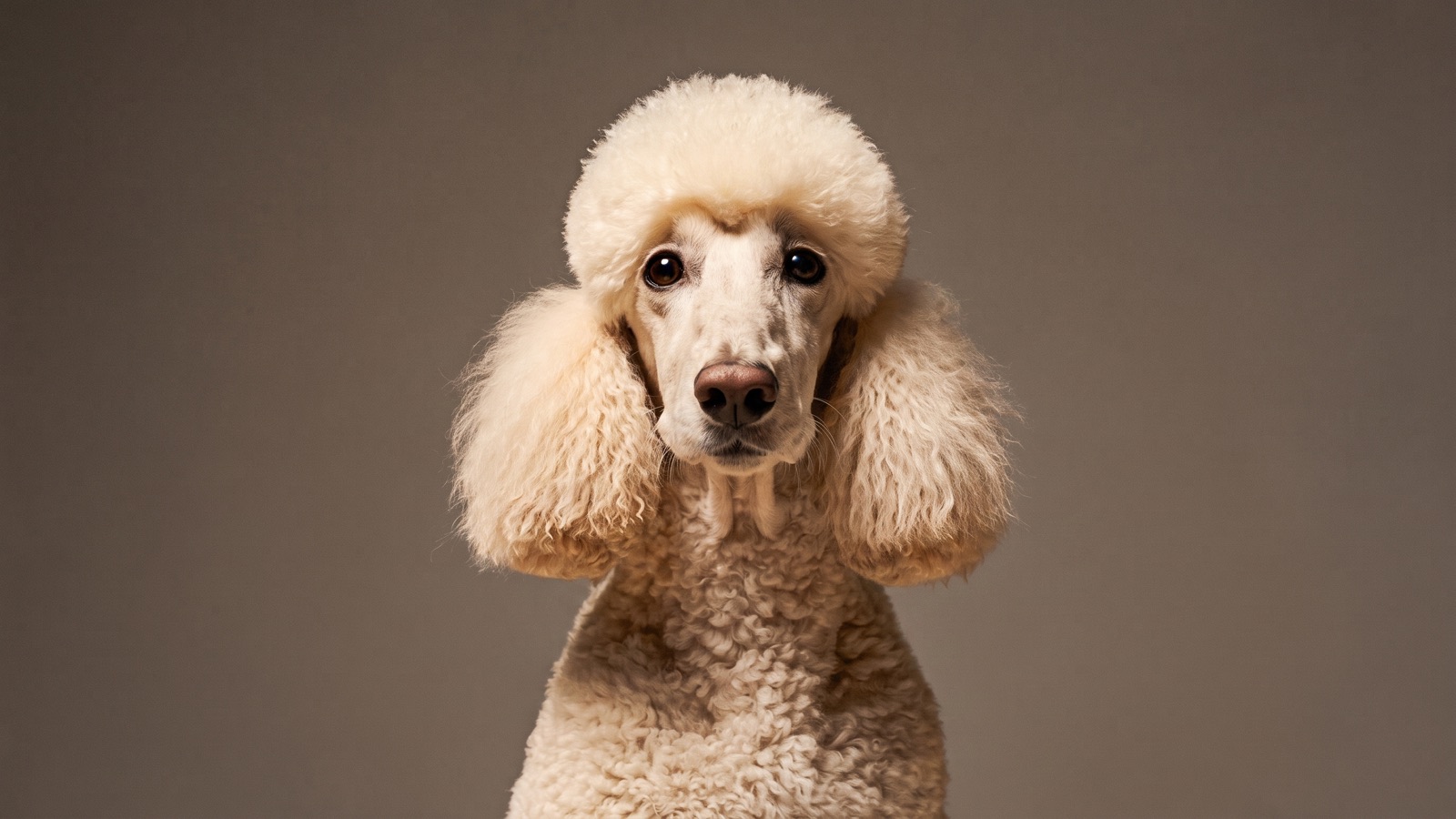
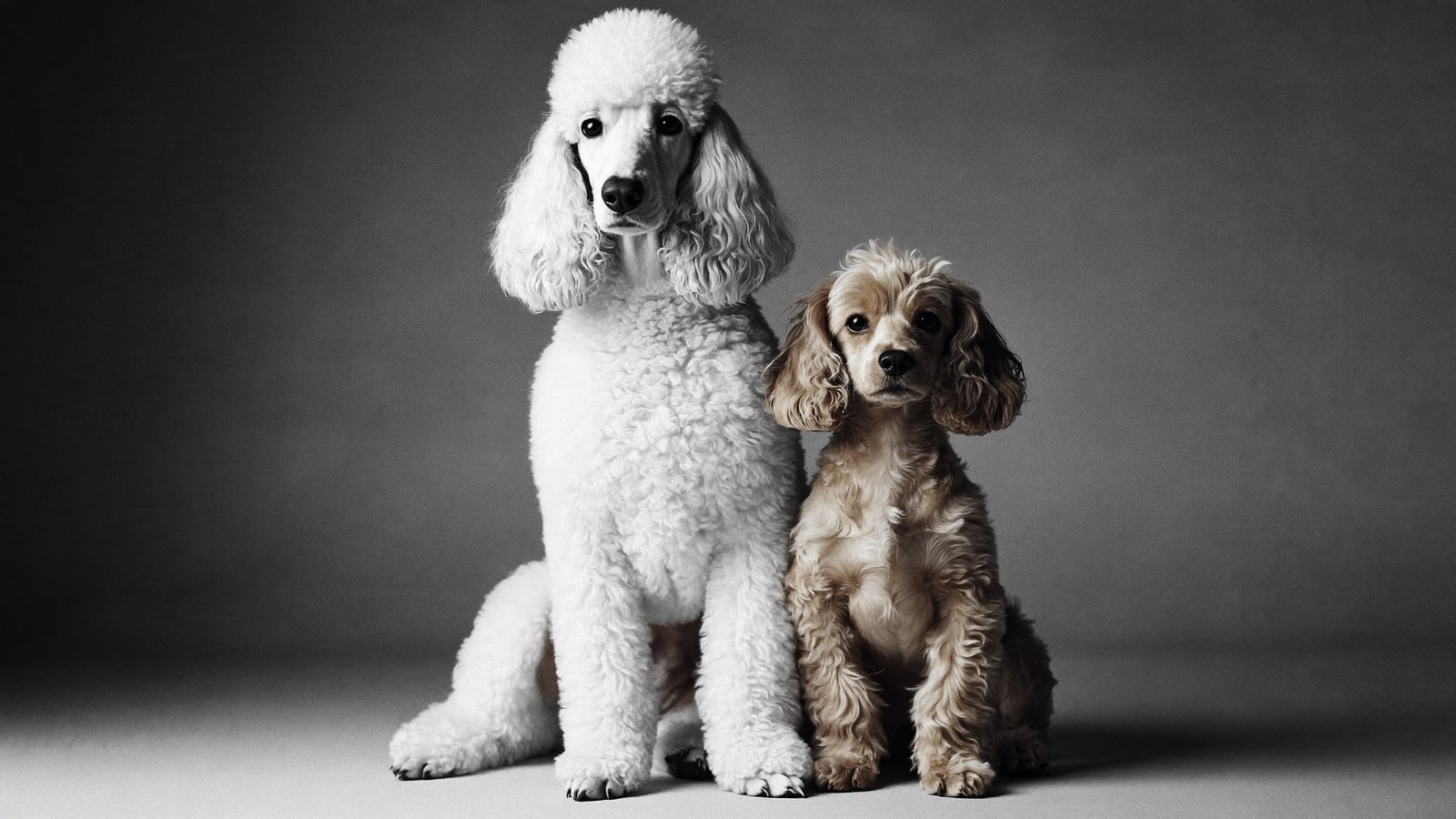
Many large breed dogs are double-coated (think German Shepherds, Labrador Retrievers, Golden Retrievers, and Great Pyrenees), while others have short, sleek coats (like Boxers and Dobermans) or thick, curly coats (like Standard Poodles and many doodle mixes). Each coat type requires a different care plan—and size adds a few extra considerations.
Size and Safety
Big dogs require sturdy equipment, secure handling, and slower, more intentional movements to keep grooming low-stress and safe. Getting on and off a table or into a tub should be supported, surfaces should be non-slip, and dogs should have time to reposition their bodies comfortably during each step of the service.
Coat Types and Shedding
Large dogs with double coats shed seasonally and, to some degree, year-round. The undercoat insulates in winter and helps with temperature regulation in summer. Managing that undercoat with the right tools and timing prevents mats, supports skin health, and keeps your home from turning into a fur snow globe.
Curly and wavy coats don’t shed the same way, but they can mat quickly without routine brushing and regular professional grooming. Short, smooth coats also shed and benefit from de-shedding baths and rubber-brush routines that lift dead coat and distribute healthy skin oils.
Skin, Ears, and Nails—At Scale
Grooming “at scale” simply means more surface area to care for. That includes ear canals, paw pads, and nails. Nail length affects posture and joint comfort, especially for large dogs. Keeping nails short and smooth helps big paws land correctly, which supports long-term mobility.
Bathing and Drying for Big Dogs
Bathing a large dog is a workout—done well, it’s also a wellness routine. Here’s how to make it effective and kind:
- Frequency: Most large dogs do well with a bath every 4–8 weeks; very active or allergy-prone dogs may benefit from more frequent, gentle baths. Double coats typically do best with a bath and full blowout every 6–10 weeks to release trapped undercoat.
- Pre-bath prep: Light brushing to remove surface tangles and shedding coat helps shampoo reach the skin. For double coats, a pre-bath rake through high-shed areas (ribs, rump, trousers) sets up a better blowout later.
- Shampoo and conditioner: Choose a gentle, dog-safe formula; conditioner helps reduce friction and matting, especially behind the ears, in armpits, and on feathering.
- Rinse thoroughly: Extra coat means extra rinsing—residue can cause itchiness. Part the coat and rinse until water runs clear.
- Drying matters: Towel-dry first, then use a cool-to-warm air dryer to fully dry the coat. For double-coated dogs, a forced-air dryer (no heat) helps safely lift and remove undercoat without harsh brushing.
- Avoid hot spots: Make sure the coat is fully dry—especially in dense areas like the neck ruff, undercarriage, and tail base. Damp, compressed coat can trap moisture against the skin.
Brushing and De-Shedding: Tools and Techniques That Work
A thoughtful home brushing routine reduces shedding, prevents mats, and keeps your dog comfortable between professional grooms. Choose the right tools and focus on technique:
- Slicker brush: Great for removing loose hair and separating topcoat from undercoat on many coat types. Use a gentle, “pat-and-pull” motion rather than scraping the skin.
- Undercoat rake: Ideal for double coats during shedding season. Use short strokes, working with the coat growth.
- Stainless steel comb: Excellent for finding tangles in feathering (ears, chest, legs, tail). If a comb can pass through, you’ve done a thorough job.
- Rubber curry brush: Perfect for short coats to lift dead hair and stimulate healthy skin oils.
- Detangling spray or leave-in conditioner: Adds slip to reduce friction and breakage during brushing.
Line brushing is a pro-favorite technique: lift a small section of coat, brush the hair beneath in thin layers, and slowly work across the body. This ensures you reach the skin without overbrushing one spot. For double-coated dogs, follow brushing with a thorough blowout during professional appointments to release undercoat without heat.
Matting, Friction Areas, and Coat Length Choices
Mats form where hair is long and movement is frequent: behind ears, under collars or harnesses, in armpits, the tail base, pantaloons, and the chest ruff. Big dogs also develop “compression mats” where they rest—hips, elbows, and chest—especially in humid weather or after swimming.
- Prevent with routine: Quick daily checks and twice-weekly brushing of friction zones go a long way.
- Use conditioner: Conditioners reduce friction and help prevent tangling.
- Trim choices: For long, plush coats and mixes that require haircuts, choosing a manageable length keeps your dog comfortable and reduces brushing time. Breed-specific trims and tidy-ups can preserve a classic look with less daily effort.
- Double coats and shaving: Shaving double-coated dogs is generally not recommended because it can affect coat texture and the coat’s natural temperature regulation. For comfort and shedding control, routine de-shedding treatments and blowouts are safer, healthier choices unless your veterinarian recommends otherwise for a medical reason.
Nail, Paw, and Pad Care for Large Dogs
Nails that are too long can alter gait and place stress on joints—especially important for big dogs. Regular trims every 2–4 weeks help keep nails short and comfortable. If you hear clicking on hard floors or see nails splaying, it’s time for a trim.
- Dewclaws: These often grow faster and can catch easily; check them weekly.
- Grinding for smoothness: After clipping, grinding the tips can make nails smoother and less likely to scratch floors or skin.
- Paw pads: Keep pad hair neatly trimmed to prevent slipping, and check for dryness or small cracks after long walks or hikes.
- Post-adventure rinse: Rinsing paws after muddy or salty surfaces reduces irritation.
Ears, Eyes, and Face Clean-Up
Large breed dogs often have floppy ears or heavy cheeks that hold moisture and debris. Gentle ear cleaning helps maintain comfort and reduces odor. Wipe the outer ear with a soft cotton pad—never insert swabs into the canal. Keep eye corners tidy with a damp cloth and trim overhanging facial hair to support visibility and cleanliness. For drooly breeds, a daily gentle mouth-and-chin wipe can prevent skin irritation.
Senior Large Dogs: Comfort-First Grooming
Older big dogs deserve extra kindness. Mobility changes, arthritis, and sensitive skin are common with age. A dog-first grooming plan emphasizes comfort over speed or “perfect” styling:
- Supportive handling: Non-slip surfaces, ramps, and lift-assist techniques reduce strain.
- Shorter sessions and rest breaks: Schedule more frequent, shorter visits to keep each appointment easy and calm.
- Warm water and gentle dryers: Comfortably warm water soothes muscles; cooler, steady airflow avoids discomfort.
- Mat prevention over removal: Frequent brushing and tidy-ups prevent tight mats that are uncomfortable to remove.
- Nails and pads: Keep nails short to support better footing; inspect pads for calluses or soreness.
If your senior dog has specific medical needs, follow your veterinarian’s guidance and let your groomer know about any physical limitations so the appointment can be customized.
Puppies Who Will Grow Big: Start Early
Large breed puppies grow quickly, and early grooming experiences shape how they feel about care for life. Short, positive introductions help set a lifelong foundation of trust.
- Sensory play at home: Briefly touch paws, ears, tail, and collar area; reward with praise and treats.
- Short, happy visits: Schedule puppy introductions for a bath, nail trim, gentle blow-dry, and light brushing before full haircuts or extensive de-shedding are needed.
- Choose calm environments: A low-stress grooming space with a dog-first approach helps puppies feel safe and confident.
Home Maintenance Between Professional Grooms
Consistency is your best friend. Here’s a realistic home care plan for big dogs:
- Daily 2–5-minute check: Quick look at ears, eyes, under the collar, and paws. Wipe away drool or debris as needed.
- Brushing schedule:
- Double coats: brief brushing 3–4 times per week; more during shedding seasons.
- Curly/wavy coats: thorough line brushing 3–4 times per week, plus combing feathering.
- Short coats: rubber curry or grooming mitt 2–3 times per week to remove loose hair.
- Nails: Check weekly; trim or grind every 2–4 weeks.
- Bathing: Every 4–8 weeks depending on lifestyle, with a full dry to the skin.
- Post-swim care: Rinse and dry the ears and coat thoroughly to prevent moisture-related irritation.
How Professional Grooming Supports Coat and Skin Health
Professional grooming is more than a bath and a blow-dry—it’s preventive care with expert eyes and hands:
- Undercoat management: Proper blowouts and de-shedding remove trapped hair without damaging the coat.
- Mat prevention and removal: Skilled techniques and conditioning protect skin and minimize discomfort.
- Nail maintenance: Regular trims and smoothing protect joints and improve footing, especially for big dogs.
- Sanitary and hygiene trims: Keep sensitive areas tidy and comfortable.
- Early notice: Groomers often spot coat or skin changes, ear odor, or unusual sensitivity and can alert you to follow up with your veterinarian if needed.
What a Calm, Low-Stress Appointment Looks Like at Dapper Doodle Grooming
Every dog is an individual. At Dapper Doodle Grooming, we focus on your dog’s comfort at every step:
- Thoughtful timing: We pace appointments to reduce waiting and keep energy calm.
- Gentle handling: We use supportive holds, non-slip surfaces, and a quiet approach designed to help big dogs relax.
- Customized coat care: From de-shedding treatments and blowouts to breed-specific trims and tidy-ups, we tailor services to your dog’s coat, lifestyle, and comfort.
- Puppy and senior support: Special introductions for puppies and mobility-aware care for seniors help every big dog feel safe.
If you’re new to professional grooming or have a dog who needs a little extra reassurance, our team is happy to talk through what to expect. To explore our approach and services, visit Dapper Doodle Grooming in Springfield, MO.
Suggested Grooming Cadence for Large Breeds
Every dog is different, but these guidelines can help you plan:
- Double coats (e.g., German Shepherds, Golden/Labrador Retrievers, Great Pyrenees):
- Professional bath, blowout, and de-shedding every 6–10 weeks
- Home brushing 3–4 times per week; daily during heavy shed
- Nails every 2–4 weeks
- Curly/wavy coats (e.g., Standard Poodles, many large doodle mixes):
- Full-service grooming every 4–6 weeks to prevent matting
- Line brushing and combing 3–4 times per week
- Nails every 2–4 weeks
- Short/smooth coats (e.g., Boxers, Dobermans, Rottweilers):
- De-shedding bath and rubber-brush session every 6–8 weeks
- Quick curry brush 2–3 times per week
- Nails every 2–4 weeks
- Seniors and high-activity dogs: Consider shorter, more frequent appointments for comfort and cleanliness.
FAQs for Big-Dog Parents
Is shaving my double-coated dog a good way to reduce shedding?
Shaving is generally not recommended for double-coated dogs because it can affect coat texture and its natural ability to help regulate temperature. Shedding is best managed with regular de-shedding baths, blowouts, and at-home brushing. If there’s a medical reason to clip the coat, follow your veterinarian’s guidance.
How long does it take to groom a large dog?
Time depends on coat type, size, condition, and your dog’s comfort level. Thick coats and heavy shedding need longer drying and de-shedding time. We prioritize low-stress, unrushed care so your dog stays comfortable.
How do I know if my dog’s nails are too long?
If nails click on hard floors or splay when your dog stands, they likely need a trim. Regular nail maintenance supports joint comfort and better footing for big dogs.
My big dog is nervous about grooming. What can help?
Short, positive experiences and calm handling make a big difference. Bring your dog in on a loose schedule for low-pressure introductions, keep sessions short at first, and celebrate progress with praise. Let your groomer know what your dog loves (and what worries them) so the visit can be customized.
Why Choose Professional Grooming for Large Dogs in Springfield, MO
Big dogs need big-picture grooming—care that considers coat biology, skin health, joint comfort, and stress levels. At Dapper Doodle Grooming, we deliver full-service dog grooming, dog baths and blowouts, de-shedding treatments, breed-specific trims, puppy introductions, and senior-friendly care in a clean, welcoming space designed for comfort.
Want to learn more about our dog-first philosophy and services? Visit our Springfield, MO dog grooming team at Dapper Doodle Grooming.
A Simple At-Home Kit for Large Breeds
Set yourself up for success with a few essentials:
- Slicker brush sized for large breeds
- Undercoat rake (for double coats)
- Stainless steel comb
- Rubber curry brush (for short coats)
- Dog-safe detangling spray or leave-in conditioner
- Nail clippers and/or grinder, plus styptic powder for nicks
- Absorbent towels and a non-slip bath mat
Keep sessions short and positive. If you hit a stubborn tangle or your dog seems uncomfortable, pause and ask your professional groomer for guidance at your next appointment.
Putting It All Together: A Calm, Comfortable Grooming Routine
Grooming shouldn’t feel like a struggle—for you or your dog. With the right tools, routine, and professional support, big-dog grooming becomes a comfortable rhythm that supports long-term health and happiness:
- Brush small sections a few times each week, focusing on friction zones.
- Schedule consistent professional baths, blowouts, tidy-ups, and nail care.
- Dry thoroughly after every bath or swim.
- Check ears, paws, and under collars or harnesses frequently.
- Choose styles and schedules that match your dog’s lifestyle and comfort.
Ready When You Are
If you share your home with a big dog, we’re here to make grooming easier, calmer, and more comfortable. Explore our approach or book an appointment with Dapper Doodle Grooming in Springfield, MO. You can call us at (417) 496-1588 or visit us at 1929 E Independence St, Springfield, MO 65804.
Whether your companion is a fluffy double-coat, a sleek short coat, or a curly charmer, we’ll tailor care to their needs—always with gentle handling, clean, comfortable tools, and a dog-first philosophy.