Short Coat Dogs That Still Need Professional Grooming
Learn essential grooming tips for short-coated dogs to keep their skin healthy and reduce shedding.
Short Hair, Big Care: A Grooming Guide for Short‑Coated Dogs
Short-haired dogs are sleek, huggable, and often considered “low maintenance.” But low maintenance doesn’t mean no maintenance. Even when a coat looks tidy, short-coated pups still shed, get dirty, and need regular care to keep their skin healthy and comfortable. At Dapper Doodle Grooming in Springfield, MO, we love helping short-coat dog parents build a simple, stress-free routine that keeps coats glossy, reduces shedding, and supports overall well-being.
Whether you share life with a Beagle, Boxer, French Bulldog, Boston Terrier, Pit Bull–type dog, Dalmatian, smooth Dachshund, Labrador Retriever, Pug, or another short-haired breed or mix, this guide breaks down what matters most for coat and skin health—and how professional grooming fits in.
Why Short-Haired Dogs Still Need Grooming
Short hair doesn’t hide much—and that’s exactly why grooming matters. Dirt, dander, and loose undercoat can sit close to the skin and cause itchiness or dullness. A smart routine benefits your dog by:
- Reducing shedding at home with regular brushing and professional de-shedding.
- Supporting skin health through proper bathing, blow-drying, and gentle product choices.
- Preventing buildup of oils, pollen, and debris that can contribute to odor or irritation.
- Keeping nails comfortable, which helps posture and joint comfort.
- Reinforcing good habits so grooming becomes calm, predictable, and positive.
Short Coats 101: Single vs. Double Coat
Not all short coats are the same. Understanding your dog’s coat type helps you choose the best routine:
- Single short coat (e.g., Boxers, Greyhounds, many Bully breeds): One sleek layer that sheds lightly year-round. Skin can be sensitive; gentle products are key.
- Double short coat (e.g., Pugs, Beagles, Labs): A short topcoat with a dense undercoat that sheds—sometimes a lot—especially with seasonal changes.
If you’re noticing fine, fuzzy hairs everywhere (especially in spring and fall), your dog likely has a double coat and will benefit from routine de-shedding and blowouts.
Home Grooming Basics for Short-Coated Dogs
Great grooming is a partnership between home care and professional services. Here’s a realistic rhythm you can follow:
Weekly Checklist
- Brushing: 2–3 times a week (daily during heavy shedding). Focus on short sessions that feel like a massage.
- Nail check: If you hear clicking on hard floors, it’s time for a trim.
- Ear glance: Look for excess wax or odor. Wipe outer ear with a dog-safe ear cleaner on a cotton pad as needed.
- Wrinkle and tail pocket care (if applicable): For breeds with skin folds, gently clean and thoroughly dry.
- Paw care: Wipe after outdoor adventures; consider a paw balm if pads look dry or rough.
Monthly or As Needed
- Bathing: Most short-coated dogs do well with a bath every 4–8 weeks; active pups may need every 2–4 weeks. Overbathing can dry skin, so choose high-quality products and rinse thoroughly.
- De-shedding: Especially helpful for double-coated short breeds during seasonal shedding.
- Professional nails: Every 2–4 weeks keeps the quick from overgrowing and prevents splits.
The Best Tools for Short Coats
You don’t need a closet full of gear—just the right few tools used consistently:
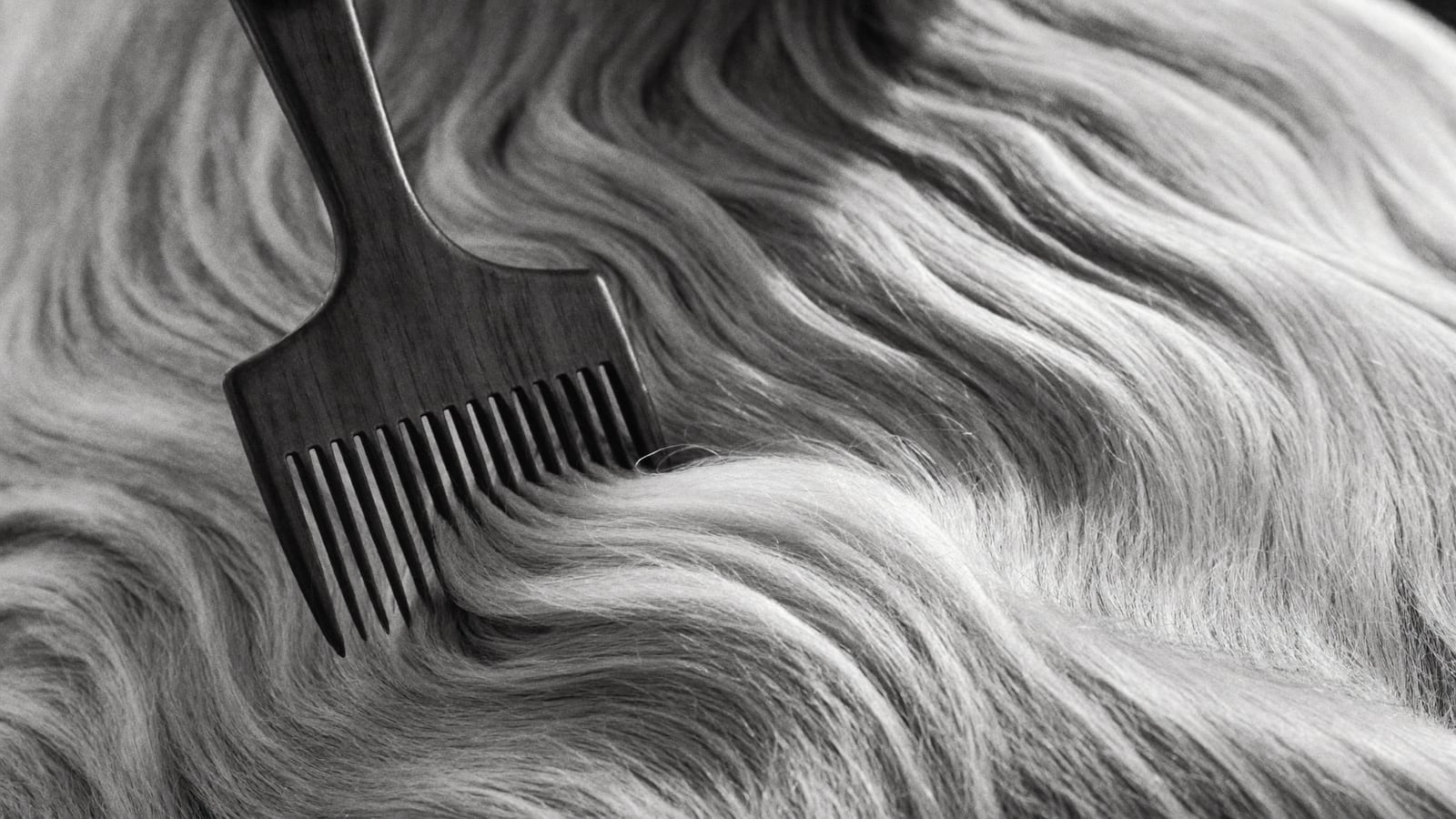
- Rubber curry or hound glove: Excellent for loosening dead hair and distributing natural oils. Feels like a gentle massage.
- Bristle brush: Lifts loose hair and polishes the coat after you use a rubber curry.
- De-shedding tool: Use with care and a light hand on double-coated short breeds. Avoid overuse on thin or sensitive coats.
- Microfiber towel: Pulls water and dirt from the coat quickly; less friction than standard towels.
- Dog-safe ear cleaner & cotton pads: For occasional outer-ear cleaning. Never insert swabs into the ear canal.
- Nail trimmer or grinder: Choose whichever you’re most comfortable using calmly and safely.
A Calm Bathing & Drying Routine for Short-Haired Dogs
Baths should be soothing—not stressful. Try this approach for a smooth experience:
- Pre-brush: Use a rubber curry on dry coat to loosen hair and dirt.
- Warm water rinse: Wet your dog thoroughly to the skin.
- Shampoo wisely: Use a dog-specific shampoo, massaging gently with your fingertips (not nails). For sensitive skin, opt for a mild, fragrance-lite formula. Only use medicated shampoos if directed by your veterinarian.
- Rinse completely: Keep rinsing until water runs clear. Leftover shampoo can cause itchiness.
- Condition if needed: A lightweight, rinse-out conditioner or finishing spray can reduce static and help loosen shedding hair.
- Dry thoroughly: Towel first, then use a cool to warm (not hot) blow-dryer on low speed if your dog tolerates it. Drying lifts out more loose hair and reduces that “post-bath” shed.
- Final brush: Once dry, a quick pass with a rubber glove or bristle brush adds shine.
Managing Shedding Without Losing Your Mind (or Your Sofa)
Shedding is natural—even for short coats. The goal isn’t to stop it; it’s to manage it:
- Consistency beats intensity: Five minutes of brushing a few times a week outperforms occasional marathon sessions.
- Blowouts help: A professional blowout safely removes hair that brushes can miss, especially during seasonal changes.
- De-shedding treatments: Professional products and tools can remove loosened undercoat without damaging the topcoat.
- Feed well and hydrate: Good nutrition and water support healthy skin and coat; always follow your vet’s guidance for dietary changes.
Skin Care for Short Coats: Close to the Skin, Close to the Heart
With short coats, anything on the skin shows up quickly—dandruff, dryness, hotspots, or flakiness. Keep skin comfortable with:
- Gentle, dog-safe shampoo: Human products can disrupt a dog’s skin pH and cause dryness.
- Thorough rinsing and drying: Residue and trapped moisture are common sources of itch and odor.
- Regular brushing: Distributes natural oils for a healthy, glossy coat.
- Season-smart care: In Springfield’s seasonal shifts, you may see increased shedding in spring/fall and dryness in winter. Adjust bathing frequency and consider a moisturizing conditioner as needed.
If you notice persistent redness, strong odor, excessive scratching, or hair loss, check in with your veterinarian for guidance.
Nails, Ears, and Wrinkles: Little Details, Big Comfort
Nails
Short-coated dogs often have strong, fast-growing nails. Long nails can change how a dog moves and place stress on joints. Aim for trims every 2–4 weeks. If trimming at home causes worry, professional nail trims (with an optional gentle file or grind) can make the process easier.
Ears
Short-haired breeds may have open or flop-ears. Check weekly for wax buildup or odor. Clean the outer ear with a dog-safe cleanser on a cotton pad as needed. Avoid inserting anything into the ear canal; when in doubt, ask your vet.
Wrinkles and Tail Pockets
Breeds like Bulldogs and Pugs benefit from regular, gentle cleaning of facial folds and tail pockets. Always dry completely after cleaning or bathing to discourage moisture-related irritation. A soft cloth, lukewarm water, and vet-recommended wipes can be helpful.
Puppies with Short Coats: Start Small, Start Positive
Short-coated puppies still need grooming introductions. Early, positive experiences create lifelong good habits:
- Short sessions: A minute or two of brushing while you calmly reward your pup goes a long way.
- Touch training: Practice handling paws, ears, and tail while offering treats and praise.
- Sound desensitization: Introduce the sound of dryers and clippers at low volume with treats, even if your pup won’t need a haircut.
- Happy first appointment: Consider a professional puppy introduction visit that’s all about calm handling and light services rather than a full groom.
Senior Short-Coated Dogs: Comfort Comes First
Older dogs often have thinner skin, stiffness, or a lower tolerance for long sessions. Keep them comfortable with:
- More frequent, shorter appointments: Gentle baths and nail care done regularly can be easier than infrequent, lengthy visits.
- Non-slip support: At home and in the salon, secure footing reduces stress.
- Warm water and thorough drying: Seniors chill easily; a calm, efficient process is best.
Always let your grooming team know about mobility, vision, hearing, or health changes so they can tailor care appropriately.
What Professional Grooming Looks Like for Short Coats
Even without haircuts, professional grooming delivers skin-deep benefits for short-haired breeds. At Dapper Doodle Grooming, our dog-first approach focuses on comfort, cleanliness, and a calm experience. A typical short-coat appointment may include:
- Warm bath with a shampoo suited to your dog’s skin and coat needs.
- Conditioner or finishing treatment to add moisture and reduce static.
- High-velocity blowout (on an appropriate setting) to lift and remove loose hair gently.
- De-shedding service for double-coated short breeds, timed around seasonal shedding.
- Nail trim and tidy for comfort and mobility.
- Ear cleaning of the outer ear as needed.
- Paw, pad, and hygiene tidying where applicable.
Short-coated dogs often leave with dramatically reduced shedding, a healthy shine, and that “ahh” feeling you get after a good spa day—minus the stress.
Springfield, MO Considerations for Short Coats
Here in Springfield, we see a few consistent patterns with short-coated pups:
- Seasonal shedding spikes: Spring and fall can mean lots of loose undercoat for double-coated short breeds.
- Outdoor adventures: Dirt, pollen, and lake days can increase the need for regular baths and thorough drying.
- Dry winter air: Skin may need extra moisture support; a gentle conditioner or finishing spray can help.
When your routine adapts to the season, your dog’s coat stays comfortable, glossy, and manageable.
Common Myths About Short-Coated Dogs—Debunked
- Myth: “Short-coated dogs don’t shed.” Reality: Many shed year-round; double-coated short breeds can shed heavily seasonally.
- Myth: “Short coats don’t need brushing.” Reality: Brushing removes dead hair, spreads oils, and supports skin health—key for shine and comfort.
- Myth: “Baths cause more shedding.” Reality: Baths and blowouts release hair that’s already loose, reducing the amount left on furniture and clothing.
- Myth: “No haircut means no grooming.” Reality: Professional bathing, blowouts, de-shedding, nail care, and ear cleaning matter for every coat type.
Building Your Short-Coat Routine: A Simple Plan
Use this as a starting point and adjust based on your dog’s lifestyle and coat type:
- Brush: 2–3 times weekly with a rubber curry or hound glove (daily during heavy shedding).
- Bath: Every 4–8 weeks (2–4 weeks for very active dogs), using a mild dog shampoo and thorough rinse.
- Blowout & de-shed: Seasonally or as needed—great to schedule professionally.
- Nails: Every 2–4 weeks, or sooner if you hear clicking.
- Ears & wrinkles: Quick check weekly; clean and fully dry as needed.
How Dapper Doodle Grooming Supports Short-Coated Dogs
At Dapper Doodle Grooming, we believe every dog deserves a calm, low-stress experience. For short-coated pups, that means mindful handling, gentle products, and services tailored to your dog’s coat and skin. Short-coat owners often choose us for:
- Full-service dog grooming designed for comfort and skin health.
- Dog baths and blowouts to lift loose hair and reduce shedding at home.
- De-shedding treatments that support natural coat cycles without harsh tools.
- Puppy introductions to build positive habits early.
- Senior dog grooming with extra time, care, and comfort considerations.
If you’re new to professional grooming or want to refresh your routine, our team is happy to help you map out the right schedule for your short-haired companion.
FAQs for Short-Coat Dog Parents
How often should I brush my short-coated dog? Most do well with 2–3 short sessions per week, and daily brushing during heavy shedding.
Can short-haired dogs get mats? True mats are less common, but short coats can develop compacted hair, dandruff, or sticky debris close to the skin. Regular brushing and thorough drying help.
Do short coats need haircuts? Generally, no. Short coats benefit most from bathing, blowouts, de-shedding, and regular nail/ear care.
What if my dog hates the dryer? Try low speed, cooler air, and lots of treats. A professional groomer can also use quiet, gentle techniques to help desensitize and keep dogs comfortable.
Ready for Less Shedding and More Shine?
Short coats can be stunning with the right routine. If you’re in Springfield, Missouri, we’d love to help you build a plan that fits your dog and your schedule. Visit Dapper Doodle Grooming to learn more about our calm, professional approach for short-coated dogs.
Soft CTA
Curious what a de-shedding treatment can do for a short coat? Ask our team how we time blowouts to make the most of seasonal shedding.
Medium CTA
New puppy with a short coat? Book a gentle puppy introduction to make brushing, drying, and nail care easy from day one.
Strong CTA
Ready to see fewer hairs on your couch and more shine on your pup? Contact Dapper Doodle Grooming at (417) 496-1588 or visit us at 1929 E Independence St, Springfield, MO 65804. We’re here to make grooming simple, comfortable, and dog-first—every time.
The Dapper Doodle Grooming Difference
We’re proud to serve Springfield’s dog community with professional expertise, clean and calming spaces, and a genuine love for dogs. Our approach is never rushed or one-size-fits-all. It’s about what helps your dog feel safe, look great, and enjoy the benefits of regular care—especially for those deceptively “easy” short coats.
Here’s to fewer stray hairs, more cuddles, and a healthier, happier short-coated dog—starting today.