The Role of Grooming in Dog Hygiene Explained
Discover effective tips to keep your dog fresh, clean, and ready for cuddles with our ultimate family guide on odor control and grooming.
Fresh, Clean, and Cuddle-Ready: A Family Guide to Dog Cleanliness and Odor Control
Nothing beats a good couch snuggle with your dog—unless that cuddle comes with a side of “eau de wet dog.” If you’re a busy family juggling school runs, soccer practice, and weeknight dinners, keeping your dog clean and your home smelling fresh doesn’t have to be complicated. With a simple routine, the right tools, and a little help from a trusted grooming partner, you can keep odors at bay and your pup feeling comfortable and confident.
At Dapper Doodle Grooming in Springfield, MO, we believe clean dogs are happy dogs, and happy dogs make for happy families. This guide shares practical, vet-friendly tips and professional grooming insights to help your home smell fresh and your dog look and feel their best—without stress.
Why Dogs Smell: Common, Fixable Reasons
Most dog odors have straightforward causes, and many can be improved with a consistent grooming routine:
- Natural skin oils and outdoor adventures: Dogs produce protective oils and love to roll, run, and explore. Dirt, pollen, and moisture easily hitch a ride on coats and paws.
- “Wet dog” scent: Water loosens odor molecules trapped in hair. If coats aren’t fully dried after rain or baths, musty smells linger.
- Mats trap moisture: Tangles create tight pockets that hold dampness and debris—prime spots for funk.
- Ears and paws: Wax, ear moisture, and what we lovingly call “playground paws” can collect buildup and create odor.
- Breath and beard: Food bits and drool around the muzzle can cause smells and skin irritation.
- Sanitary areas: Long hair around the rear or belly can lead to urine or stool lingering where it shouldn’t.
- Gear and fabrics: Collars, harnesses, beds, and blankets soak up smells faster than you’d think.
If odors are strong, sudden, or paired with discomfort (itching, scooting, head-shaking), check with your veterinarian. Grooming elevates comfort and hygiene, while your vet addresses medical concerns.
The Home Cleanliness Routine That Actually Works
Freshness doesn’t require daily baths. A few focused minutes, a couple of times a week, makes the biggest difference for most families.
Your daily 5-minute tidy
- Paws: After walks or yard time, wipe paws and between toes with a damp cloth or dog-safe wipes. Dry thoroughly to help prevent that “Frito feet” smell.
- Spot-brush: A quick brush removes loose hair and outside debris. Focus on friction zones: behind ears, collar area, armpits, and tail.
- Face and beard: Gently wipe the muzzle after meals. For longer beards, a quick rinse and dab-dry reduces trapped food odors.
- Air out the gear: Hang up collars or harnesses to dry if damp. Rotate between two sets if possible.
Your weekly refresh
- Brush thoroughly: Use a slicker brush for medium to long coats, a rubber curry for short coats, and a comb for line-checking mats. This reduces odor by removing hair where oils and smells accumulate.
- Launder soft items: Wash bedding, blankets, and washable toys. Use fragrance-free detergent and dry completely.
- Clean collars and harnesses: Hand-wash with mild soap, rinse well, and hang to dry. Replace if worn or persistently smelly.
- Vacuum and filter check: Pet hair carries scent. A clean vacuum filter and regular floor care make a big difference.
Monthly (or as-needed) deep clean
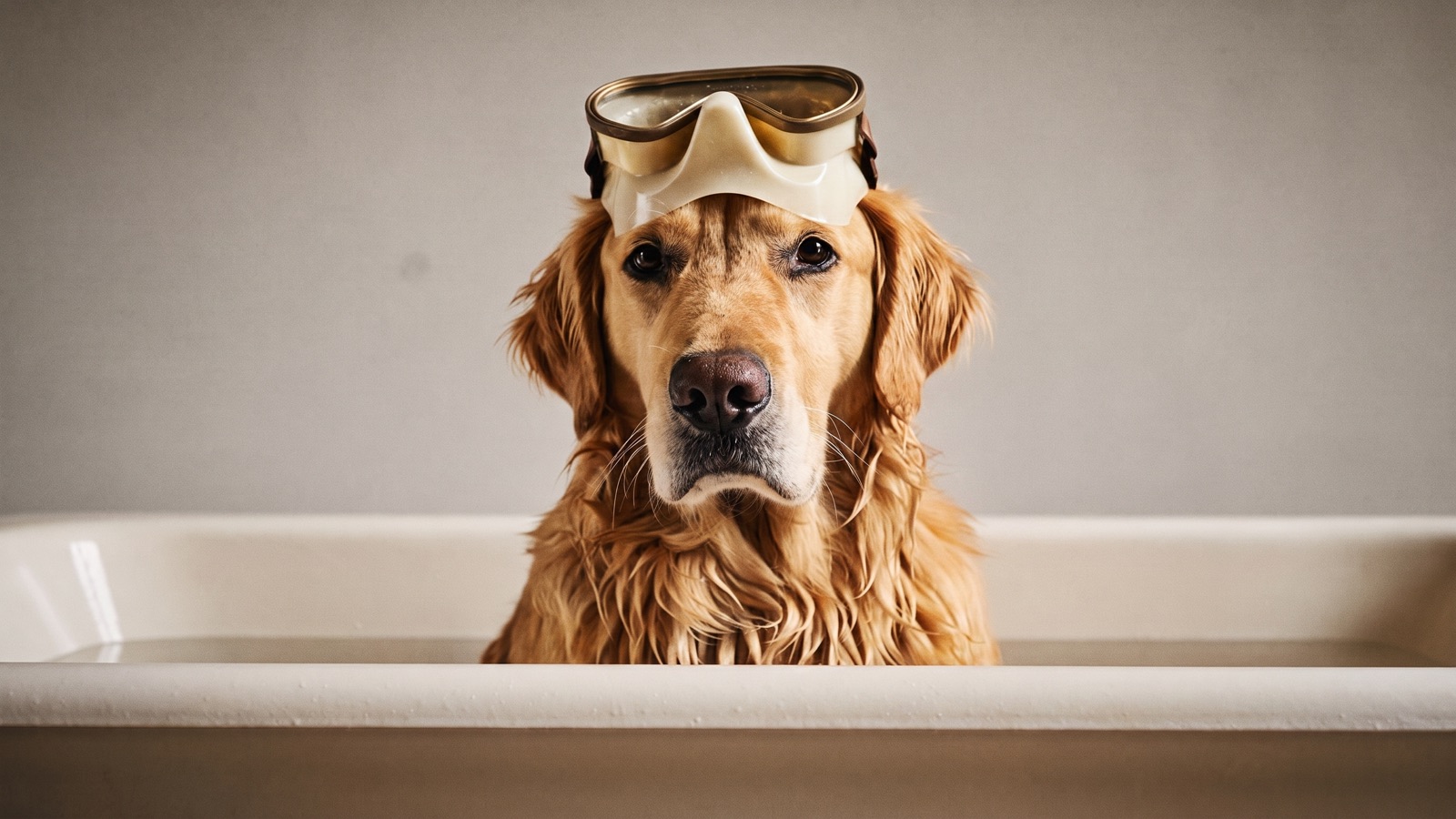
- Bath and blow-dry: Bathe every 4–8 weeks for most dogs, more often if your dog loves mud or ponds. Always dry completely to prevent musty smells.
- Car clean-up: Wash seat covers and give the cargo area a thorough vacuum. Odors easily collect in tight, fabric-lined spaces.
- Seasonal de-shedding: During spring and fall, book professional de-shedding to remove the dense undercoat where odors collect.
Bathing Without the Funk: Step-by-Step
Bath time should be calm, comfortable, and effective. Here’s how to keep it gentle and odor-fighting:
- Brush first: Removing tangles before the bath prevents “locking in” mats and allows shampoo to reach the skin.
- Use lukewarm water: Hot water can dry skin and boost oil production later.
- Pick dog-safe shampoo: Choose formulas for your dog’s coat and skin. Fragrance-free or lightly scented products are ideal for family homes.
- Apply and dilute: Diluting shampoo helps it spread evenly and rinse clean. Massage gently—don’t scrub aggressively.
- Rinse, then rinse again: Product left behind can cause itching and odor. Rinse until the water runs clear.
- Condition if needed: A light, dog-safe conditioner helps reduce static and lingering odors by smoothing hair cuticles.
- Dry completely: Towel-blot, then blow-dry on a low, warm setting while brushing. Damp coats are the most common cause of post-bath odor.
- Finish with a brush-out: As the coat dries, brush in sections to lift the coat and remove any remaining loose hair.
Coat Types and Odor Control
Different coats need different care to stay clean and fresh:
- Short/smooth coats: Odors often come from skin oils and outdoor debris. Weekly brushing with a rubber curry and monthly baths keep them fresh.
- Double coats (shepherds, retrievers, spitz types): Odor can hide in the dense undercoat. Prioritize de-shedding during seasonal sheds and always dry thoroughly down to the skin.
- Curly and wavy coats: These textures can trap moisture. Keep a regular brushing schedule, prevent mats, and maintain consistent professional haircuts.
- Wire coats: Hand-stripping or specialized tools keep the coat texture healthy and reduce buildup. Ask your groomer which method is right for your dog.
When in doubt, a professional blowout and de-shedding session can reset your routine and dramatically reduce odors at home.
Ears, Paws, and Sanitary Areas: Small Spots, Big Impact
Three high-impact areas make the biggest difference for family-friendly freshness:
- Ears: Wipe the ear flap and outer canal with a dog-safe ear cleaner and cotton pad as recommended by your vet. Never insert cotton swabs. If the odor is strong or your dog is uncomfortable, schedule a veterinary visit.
- Paws: After wet weather or yard play, rinse and dry between toes. Trimming excess feathering around the feet helps keep debris from sticking and reduces odors.
- Sanitary zones: Keeping hair shorter around the belly and rear helps prevent urine and stool from lingering. Regular sanitary trims are simple, comfortable, and very effective for odor control.
The Role of Professional Grooming in Odor Control
Even the best at-home routine benefits from professional support—especially for families balancing busy schedules. At Dapper Doodle Grooming, our calm, dog-first approach makes cleanliness easy and stress-free.
Here’s how a professional visit helps control odor and keep your dog comfortable:
- Deep cleansing bath and targeted products: We use dog-safe shampoos and conditioners selected for your dog’s coat and skin needs.
- Complete blowout and brush-out: Professional dryers and techniques remove water and loose hair thoroughly, reducing odors and matting risk.
- De-shedding treatments: Especially effective for double-coated dogs during seasonal sheds.
- Sanitary, paw, and pad clean-up: Trimming and tidying reduce trapped debris and everyday smells.
- Ear cleaning and nail trimming: Small details that make a big difference in comfort and cleanliness.
- Puppy introductions: Gentle, positive first visits lay the foundation for a lifetime of clean, stress-free grooming.
- Senior dog grooming: Extra support, shorter sessions when needed, and careful drying to protect delicate skin and joints.
Our team is proud to support families across Springfield, MO with friendly expertise and a welcoming environment. If you’re ready for a fresh start, connect with our Springfield dog grooming team to plan a routine that suits your dog and your household.
Odor Red Flags: When to Call Your Vet
Grooming improves comfort and cleanliness, but it doesn’t replace veterinary care. Reach out to your vet if you notice:
- Persistent ear odor, head-shaking, or discomfort
- Strong “fishy” smells or scooting
- Hot spots, open sores, or strong skin odor
- Mouth odor changes paired with drooling, broken teeth, or trouble eating
- Any sudden change in smell, behavior, or comfort
Groomers help keep your dog clean and comfortable; your veterinarian should guide any medical concerns, including anal gland issues or recurrent skin and ear problems.
Seasonal and Local Tips for Springfield, MO Families
Our Ozarks weather brings beautiful seasons—and different odor challenges. Plan ahead with these local-friendly tips:
- Spring: Pollen and mud stick to coats. Keep a towel and paw rinse by the door, and brush after hikes to remove allergens.
- Summer: Humidity means longer drying time. Dry thoroughly after swims and hose-downs, and consider shorter haircuts for high-maintenance coats.
- Fall: Leaves and burrs cause tangles. A de-shed and tidy trim help prevent mats and leaf-litter smells.
- Winter: Snowmelt, salt, and slush cling to paws. Rinse and dry feet after walks, and use pet-safe de-icer on your property when possible.
Puppies and Seniors: Age-Smart Cleanliness
Puppies
Introduce grooming gradually and positively. Short, calm sessions help build confidence and reduce stress:
- Two-minute brush-and-treat sessions a few times a week
- Gentle paw, ear, and face handling to build trust
- Short, warm baths only as needed; fully dry to keep pups comfortable
- Early professional puppy introductions to normalize the grooming process
Senior dogs
Older dogs often appreciate extra comfort and a little more help with cleanliness:
- More frequent paw rinses and face wipes to reduce build-up
- Thorough but gentle drying to protect delicate skin and joints
- Shorter grooming sessions or breaks as needed for comfort
- Sanitary trims to help with hygiene if mobility is reduced
Build Your Family’s Fresh Dog Plan (Simple Checklist)
Use this quick-start plan to keep odor under control without adding stress to your week:
- Daily: Paw wipe and dry, spot-brush, muzzle cleaning after meals, hang gear to air out
- Weekly: Full brush-out, launder bedding/blankets, clean collar and harness
- Monthly: Bath and complete blow-dry; vacuum car and entryway; deep clean sleeping areas
- Seasonal: Professional de-shedding or tidy trim; check and replace worn gear
- Always: Keep grooming low-stress with treats, praise, and patience
Smart Tools and Safe Products for Home Freshness
You don’t need a closet full of products—just a small, reliable kit:
- Brushes: Slicker brush for medium/long coats, rubber curry for short coats, and a metal comb to check for mats.
- Dog-safe shampoo and conditioner: Choose gentle, fragrance-free or lightly scented options suited to your dog’s coat and skin.
- Paw and face wipes: Dog-specific wipes for quick cleanup (avoid human products that may contain irritants).
- High-absorbency towels and a blow dryer: Drying fully is key to defeating odor.
- Enzymatic cleaner: Breaks down accident odors on carpets and upholstery.
- Laundry routine: Wash dog bedding weekly; rinse twice to remove detergent residue.
Skip heavy perfumes, essential oils without veterinary guidance, or human products that can irritate skin. If your dog’s skin is sensitive, ask your vet for product recommendations and keep ingredients simple.
Frequently Asked Questions
How often should I bathe my dog to control odor?
Most family dogs do well with a bath every 4–8 weeks, with quick rinses or wipe-downs in between messy adventures. Dogs with oily skin or lots of outdoor play may need more frequent baths, while others stay fresh longer. The key is using a gentle, dog-safe shampoo and drying completely.
Why does my dog still smell after a bath?
Most often, it’s incomplete drying or leftover product. Rinse thoroughly, then dry all the way to the skin. A professional blowout can make a big difference, especially for thick or double coats.
Can I use human perfume or body spray on my dog?
No. Many human products contain ingredients that can irritate a dog’s skin or overwhelm their sensitive noses. If you want a little extra freshness, choose a dog-safe, lightly scented spray and use sparingly.
What if my dog hates baths?
Try shorter, calmer sessions with lots of praise and treats. Use non-slip mats, lukewarm water, and a handheld sprayer if possible. Gentle professional grooming in a low-stress environment can help dogs build positive associations with being bathed and dried.
Do de-shedding treatments really help with odor?
Yes—removing packed undercoat reduces the places where oils, moisture, and dirt can gather. Combined with a full blow-dry, de-shedding can noticeably reduce household odors.
Clean Dog, Happy Home—We’re Here to Help
Consistency and kindness are the secret to odor control. With a simple home routine and a trusted grooming partner, your dog can stay fresh, clean, and cuddle-ready all week long. If you’d like professional support, Dapper Doodle Grooming offers dog-first, low-stress services—full-service dog grooming, baths and blowouts, tidy trims, de-shedding treatments, puppy introductions, and senior dog grooming—tailored to your dog’s needs.
We’re local, friendly, and ready to help families across Springfield keep their homes smelling great and their dogs feeling amazing.
Visit: 1929 E Independence St, Springfield, MO 65804
Call: (417) 496-1588
Learn more: Dapper Doodle Grooming in Springfield, MO
Here’s to fresher walks, cozier couch time, and a clean, confident dog by your side.