The Role of Routine in Creating a Confident, Well-Groomed Dog
Most dog parents think of grooming as baths, haircuts, and nail trims—and that’s all true.
Consistency Counts: The Behavioral Benefits of Routine Dog Grooming
Most dog parents think of grooming as baths, haircuts, and nail trims—and that’s all true. But there’s another side to grooming that often gets overlooked: behavior. When grooming is consistent and low-stress, it can help your dog learn to relax during handling, build confidence with new experiences, and even make daily life (and vet visits) easier. At Dapper Doodle Grooming in Springfield, MO, we see these behavioral benefits every day, and we’re passionate about helping dogs feel safe, calm, and comfortable while looking their best.
This guide explains how a predictable grooming routine shapes your dog’s emotional well-being, what “consistent” really means for different coat types, and how you can support calm, cooperative care at home between professional appointments.
Why Consistency Matters in Dog Grooming
Dogs thrive on predictability. Familiar rhythms help them relax and understand what’s expected. Grooming introduces sounds, sensations, and handling that can feel strange at first—especially clippers, dryers, nail trimmers, and paw handling. When grooming only happens once in a while, those sensations can feel overwhelming. But when experiences are repeated in short, positive, predictable sessions, your dog learns, “This is safe. I know what happens next.”
Consistency also prevents the “big job” problem. Long gaps between appointments often lead to extra matting, overgrown nails, or compacted undercoat. That means more time on the table and more intense work, which can be uncomfortable and stressful. Regular, well-timed appointments keep each session shorter, gentler, and easier—exactly what we want for a calm, confident dog.
Behavioral Benefits of Routine Grooming
1) Desensitization to Touch and Tools
Frequent, gentle exposure teaches your dog that the tools of grooming are no big deal. Over time, clippers, dryers, and nail trimmers become familiar background noise rather than something to fear. This is the cornerstone of cooperative care: your dog learns to stand, be touched, and be gently repositioned without worry.
2) Positive Associations and Emotional Safety
When every grooming visit is steady, kind, and followed by something your dog loves—treats, praise, soft breaks, and a happy goodbye—your dog starts to link grooming with good things. Those positive associations reduce anxiety and build trust in the process, the place, and the people involved.
3) Practicing Calm and Impulse Control
Grooming naturally teaches patience. Short moments of “stand,” “wait,” or “chin rest” (resting the chin on a hand or towel) give dogs a simple job to focus on. Repeating those calm positions while rewarding relaxation helps dogs develop impulse control that carries over into everyday life.
4) Easier Vet and Home Care
Comfort with handling—paws, ears, tail, mouth—translates beyond grooming. Dogs who are used to calm touch and gentle restraint tend to handle vet exams, bandage changes, and paw checks more smoothly. Regular nail trims, ear cleanings, and baths at home also become less of a wrestling match and more of a routine.
5) Confidence Building for Puppies
Early, positive exposure is everything for puppies. Gentle introductions to the bath, dryer airflow, paw handling, and short brush-throughs help puppies grow into adults who can be groomed with minimal stress. Think of puppy grooming as socialization with life skills: short, sweet, and full of success.
6) Comfort and Dignity for Senior Dogs
Senior dogs often have mobility challenges, sensitive joints, or age-related anxiety. Routine grooming helps keep nails at a comfortable length, fur clean and tangle-free, and skin cared for. Most importantly, a predictable schedule lets seniors pace themselves and receive accommodations they need—like extra support, breaks, and gentle handling—without surprises.
7) Better Communication Between You, Your Groomer, and Your Dog
Seeing your dog regularly allows your grooming team to notice subtle changes in behavior or comfort. Maybe your dog is starting to dislike ear handling, or maybe the dryer feels too intense now. Small adjustments—quieter tools, altered sequences, or more breaks—are much easier to make when your dog is on a consistent schedule.
What “Routine” Grooming Looks Like for Different Dogs
Every dog is unique, but consistency is universal. Here’s a general guide to frequency. If you’re unsure where your dog fits, we’re happy to help you create a dog-first plan.
- Short, smooth coats (e.g., many terriers, hounds): Bath and blowout every 4–6 weeks; nail trims every 2–4 weeks; regular ear checks and light brushing to remove surface dirt and dander.
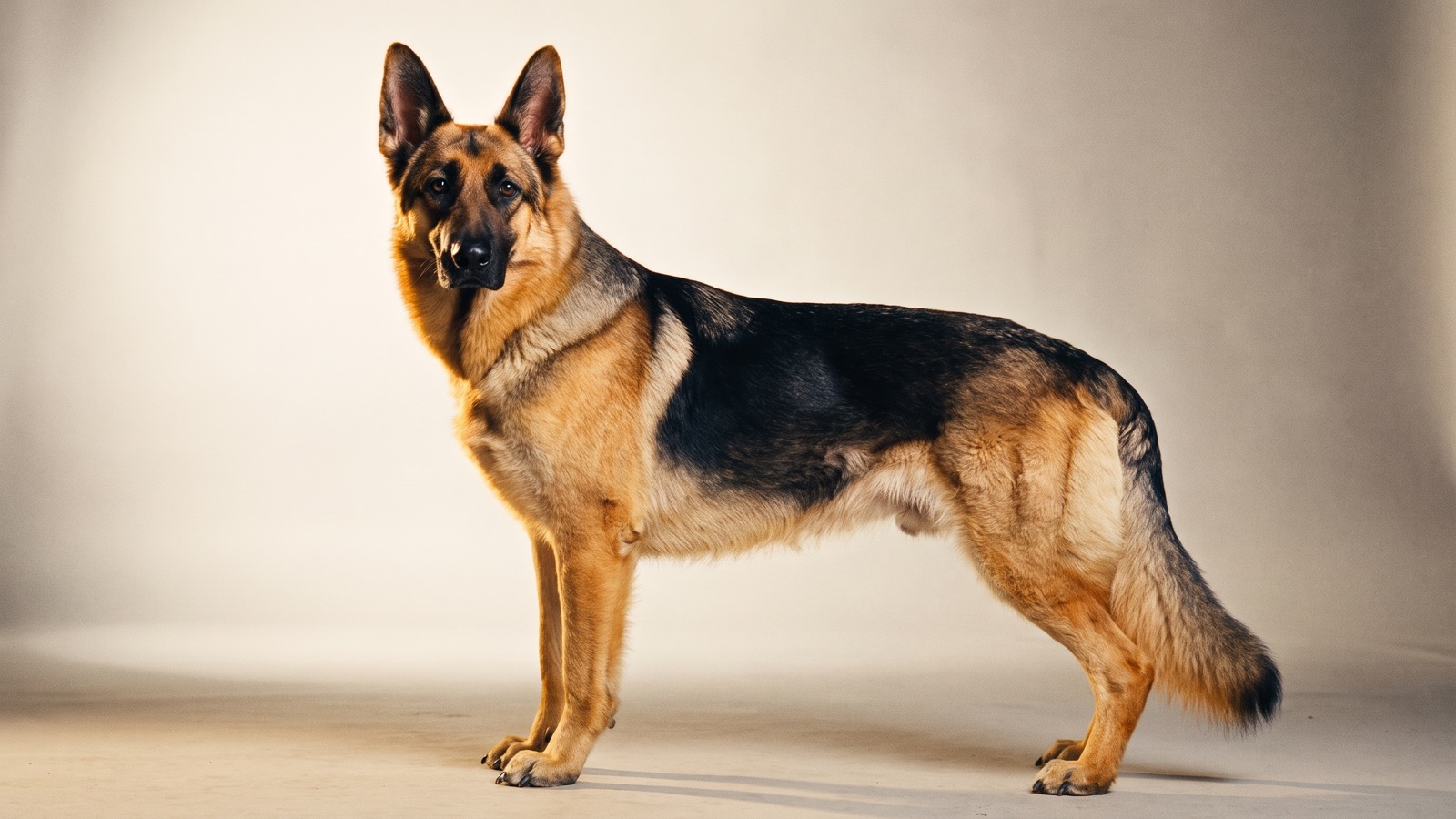
- Double coats (e.g., shepherds, huskies, retrievers): Bath and de-shedding every 4–8 weeks, with weekly at-home brushing; nail trims every 2–4 weeks. Routine undercoat removal prevents compaction and reduces stress during seasonal blowouts.
- Curly/wavy coats and doodle/poodle mixes: Professional grooming every 4–6 weeks to prevent matting; at-home brushing and combing 3–5 times per week. Routine trims keep coat manageable and sessions shorter and easier for your dog.
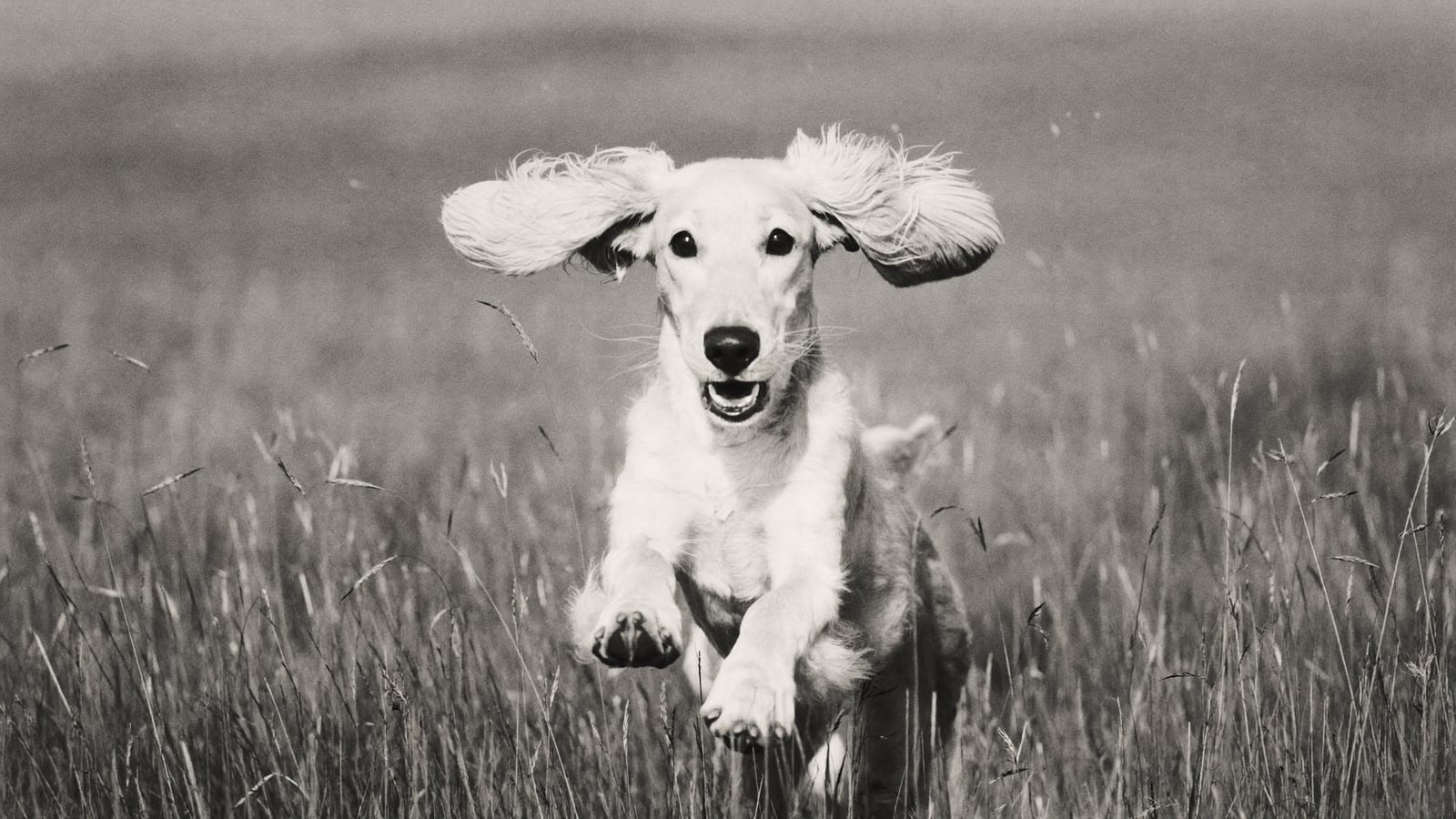
- Silky/long coats: Full grooming every 4–6 weeks with frequent brushing and line-combing at home. Consistent care prevents painful tangles and allows for gentle, low-stress sessions.
- Active/outdoorsy dogs: More frequent baths and paw care may be helpful. Regular nail trims protect joints and prevent snags.
- Puppies: Gentle, short introductory sessions every 2–4 weeks at first to build positive associations; increase duration as your puppy shows comfort and confidence.
- Seniors: Keep a steady schedule with shorter appointments and more breaks. Nail trims every 2–4 weeks are especially important for comfort and mobility.
Remember: consistency prevents the need for “catch-up” grooming, which is harder on sensitive skin and bodies. Predictable, bite-sized care is kinder for your dog emotionally and physically.
How Consistent Grooming Supports Skin and Coat Health (and Behavior)
Comfort is a behavior issue, too. When dogs are physically comfortable, they’re calmer and less reactive. Routine grooming helps in several ways:
- Matting prevention: Mats pull at the skin and trap moisture, which can cause irritation. Keeping coats tangle-free reduces discomfort and the stress that comes with it.
- Shedding control: Scheduled de-shedding limits undercoat compaction, which can make grooming sessions shorter, less intense, and more comfortable for your dog.
- Nail health: Overgrown nails change how a dog stands and moves, potentially causing discomfort or slipping. Regular trims support confident, stable movement.
- Clean skin and ears: Routine baths with appropriate products and gentle ear care can help keep your dog comfortable. If you notice any redness, odor, or persistent scratching, consult your veterinarian.
At-Home Habits That Build Calm, Cooperative Care
Even five minutes a few times a week can make a big difference. Keep it positive, short, and sweet.
Start Small and Reward Often
- Pair grooming tools with tiny treats. Let your dog sniff the brush or nail trimmer, treat, and walk away. Build from there.
- Work in seconds, not minutes, at first: one gentle brush stroke, reward, break.
- End on a win. Stop before your dog feels overwhelmed.
Teach Simple “Grooming Positions”
- Chin rest: Your dog rests their chin on your hand or a towel; reward relaxation.
- Stand and still: One or two seconds of stillness; treat; gradually extend time.
- Paw touch: Touch a paw, treat, release. Build toward briefly holding a paw, then touching a nail with the trimmer, then a single trim.
Desensitize to Sound and Airflow
- Turn clippers or a dryer on in another room while you feed treats; turn off before your dog gets worried.
- Gradually work closer over sessions; keep the vibe calm and upbeat.
Read Your Dog’s Body Language
- Early stress signs include lip licking, yawning, head turns, a tense mouth, tucked tail, or moving away.
- When you see these, pause, lower the difficulty, and reward calm moments.
Keep Sessions Comfortable
- Use a nonslip surface.
- Choose tools suited to your dog’s coat (slicker brush, comb, undercoat rake, etc.).
- Brush in sections and support the skin. For longer coats, “line brush” small areas instead of sweeping broadly.
If you ever feel stuck—or if your dog is very worried—professional guidance can help. A slower, customized approach keeps grooming humane and productive.
How Professional Grooming Reinforces Good Behavior
Professional groomers who prioritize comfort do more than bathe and clip. They design experiences that help dogs learn and relax over time.
- Low-stress handling: Calm voices, steady touch, and pauses help dogs reset. The goal is to keep your dog under threshold so learning can happen.
- Predictable sequences: Doing steps in a familiar order helps many dogs anticipate what’s next and settle in.
- Right tools for the coat: Using the correct brushes, blades, and dryers prevents discomfort and makes sessions faster and easier.
- Notes and continuity: Regular appointments allow groomers to track what your dog prefers—dryer settings, favorite treats, best break timing—and repeat what works.
- Tailored sessions for life stages: Puppy introductions and senior-friendly pacing reduce stress and deepen trust.
The Dapper Doodle Grooming Approach
At Dapper Doodle Grooming, our philosophy is simple: dog-first care, always. We focus on a calm, low-stress environment, clean tools and spaces, and steady handling that helps dogs feel secure. Whether you’re scheduling a bath and blowout, a de-shedding treatment, a neat trim, or a full-service groom, we aim to make every visit a building block for your dog’s long-term comfort.
If you’re new to our salon or refining your dog’s routine, we’re happy to suggest a schedule that fits your dog’s coat, age, and temperament. Learn more about our full-service dog grooming in Springfield, MO at Dapper Doodle Grooming.
Sample 30-Day Plan to Build Grooming Confidence
Use this as a template and adjust for your dog. Keep sessions short, upbeat, and generously rewarded.
- Week 1: Introductions. Two or three 2-minute brush sessions; brief paw touches; turn a dryer or clippers on in another room while delivering treats. End every session with a play break or walk.
- Week 2: Handling skills. Add a 3–5 second chin rest; hold a paw for one second; tap a nail with the trimmer; reward. Brush a small section to the skin; treat; switch sides.
- Week 3: Build duration. Two gentle brush-throughs per day, 3–5 minutes total. Trim 1–2 nails per session if your dog is comfortable. Light ear check with a reward.
- Week 4: Generalize. Practice in a different room. Add brief dryer airflow at a distance if your dog is relaxed. Plan or complete your professional grooming appointment to keep momentum.
FAQs: Behavior and Routine Grooming
How early should I start puppy grooming?
As soon as your puppy is settled at home and up to date on your veterinarian’s guidance for safety, introduce very short, positive sessions—seconds at a time. Early success sets the stage for a lifetime of stress-free grooming.
What if my dog is already nervous about grooming?
Go back to basics: shorter sessions, one step at a time, and lots of rewards. Avoid pushing through when your dog is worried. Consistency and gentle repetition build trust. A professional groomer with a low-stress approach can help create a custom plan.
How often should nails be trimmed?
Every 2–4 weeks for most dogs. You’re looking for comfortable movement and nails that don’t tap heavily on hard floors. Frequent, small trims are less stressful than infrequent, big ones.
What if my dog has mats?
Mats can tug at the skin and be uncomfortable. If you notice matting, avoid yanking with a brush. A professional groom may be the kindest solution, using tools and techniques to remove tangles safely. Afterward, a consistent schedule prevents mats from returning.
Do I need sedation for grooming?
Sedation decisions should only be made with your veterinarian. Many dogs who are anxious can succeed with a slower, consistent approach and tailored handling. If your veterinarian recommends sedation, let your groomer know so they can coordinate care appropriately.
Creating a Grooming Routine That Sticks
A routine doesn’t have to be complicated. The key is consistency, not perfection. Here’s a simple structure most dog families can maintain:
- Daily or every other day: Quick brush or comb-through for long or curly coats; brief paw and ear check for all dogs; reward calm cooperative moments.
- Weekly: Slightly longer brush-out; practice chin rest; touch each paw; check nails; wipe paws after messy outings.
- Every 2–4 weeks: Nail trim; ear check and gentle wipe as needed; bath if your dog gets dirty or has an oily coat.
- Every 4–8 weeks: Professional grooming appropriate for your dog’s coat type and lifestyle.
Set reminders on your phone, tie grooming to existing habits (like after a walk), and celebrate the small wins. Your dog’s confidence grows with every calm, successful session.
Why Springfield, MO Dog Parents Choose Dapper Doodle Grooming
Our team pairs professional technique with patience and empathy. We keep sessions as calm and efficient as possible, tailor care to puppies and seniors, and communicate openly so you know how your dog did and what’s next. Consistency is easier when you have a trusted partner who knows your dog well.
- Full-service dog grooming: From baths and blowouts to tidy trims and complete haircuts.
- De-shedding treatments: Reduce shedding and keep undercoats comfortable between seasons.
- Puppy introductions: Short, positive sessions to build lifelong confidence.
- Senior dog grooming: Gentle pacing, extra support, and thoughtful comfort measures.
Ready to Build a Calmer, Happier Grooming Routine?
We’d love to help your dog discover that grooming can be relaxing and even enjoyable. If you’re in Springfield, Missouri, connect with Dapper Doodle Grooming to create a consistent plan that supports your dog’s behavior, comfort, and style.
Visit Dapper Doodle Grooming, call us at (417) 496-1588, or stop by 1929 E Independence St, Springfield, MO 65804. Your dog’s calm, confident grooming routine starts here.
Note: If you notice any persistent skin irritation, ear issues, or discomfort, consult your veterinarian. Professional grooming complements veterinary care and training but does not replace them.