Understanding Your Dog’s Coat Type and Grooming Needs
Every dog has a unique look, personality, and grooming routine to match. One of the biggest factors in keeping a dog comfortable, clean, and looking their…

Understanding Your Dog’s Coat Type and Grooming Needs
Every dog has a unique look, personality, and grooming routine to match. One of the biggest factors in keeping a dog comfortable, clean, and looking their best is understanding coat type. From soft puppy fluff to thick double coats and continuously growing curls, different coats have different needs. When dog owners know what kind of coat their dog has, it becomes much easier to create a grooming schedule that supports skin health, reduces matting, manages shedding, and keeps everyday care simple.
At Dapper Doodle Grooming, we work with dogs of all coat textures and grooming needs in Springfield, MO. Professional dog grooming is not just about appearances. It plays an important role in comfort, hygiene, coat maintenance, and low-stress handling throughout every stage of a dog’s life. Whether you have a wiggly puppy, an active adult dog, or a senior who needs a gentler pace, understanding coat type is the first step toward better grooming care.
Why Coat Type Matters in Dog Grooming
Not all dog grooming services are one-size-fits-all. A short-coated dog may need regular bathing, nail trimming, and de-shedding support, while a curly-coated dog may need frequent brushing, careful drying, and scheduled haircuts to prevent tangles. Coat type affects how often a dog should be brushed, bathed, trimmed, and professionally groomed.
It also influences how a dog experiences the grooming process. Dogs with dense coats may become uncomfortable if undercoat builds up. Dogs with fine or silky coats may develop tangles in high-friction areas. Dogs with curly coats can mat close to the skin surprisingly quickly. Matching grooming methods to the coat helps create a more stress-free grooming experience and better long-term results.
The Main Dog Coat Types and What They Need
Short Coat
Short-coated dogs often look low-maintenance, and in some ways they are. But short coats still need routine care to stay healthy and clean. This coat type may shed more than many people expect, especially seasonally or year-round depending on breed and environment.
Dogs with short coats often benefit from:
- Regular brushing to remove loose hair and spread natural oils
- Routine baths to keep the coat and skin fresh
- De-shedding treatments during heavier shed cycles
- Nail trimming and ear cleaning as part of a complete care routine
Short-coated dogs can also develop dry skin, odor buildup, or excessive loose hair around the home if grooming is skipped too long. Professional dog grooming helps keep these coats sleek, clean, and comfortable without overbathing.
Double Coat
Double-coated dogs have a soft insulating undercoat beneath a protective topcoat. These coats are designed to regulate temperature and protect the skin, which means they need thoughtful maintenance rather than shortcuts. One of the most common grooming concerns for this coat type is shedding. When dead undercoat is not removed, it can trap dirt, hold moisture, and make the dog less comfortable.
Double-coated dogs typically need:
- Thorough brushing to lift out loose undercoat
- Professional de-shedding treatments
- Regular bathing and blowouts to help release packed coat
- Careful coat maintenance without unnecessary coat damage
Many dog owners are surprised to learn how much cleaner and lighter their dog feels after a proper bath and blowout. For heavy shedders, regular appointments can make a noticeable difference in both coat condition and life at home.
Curly or Wavy Coat
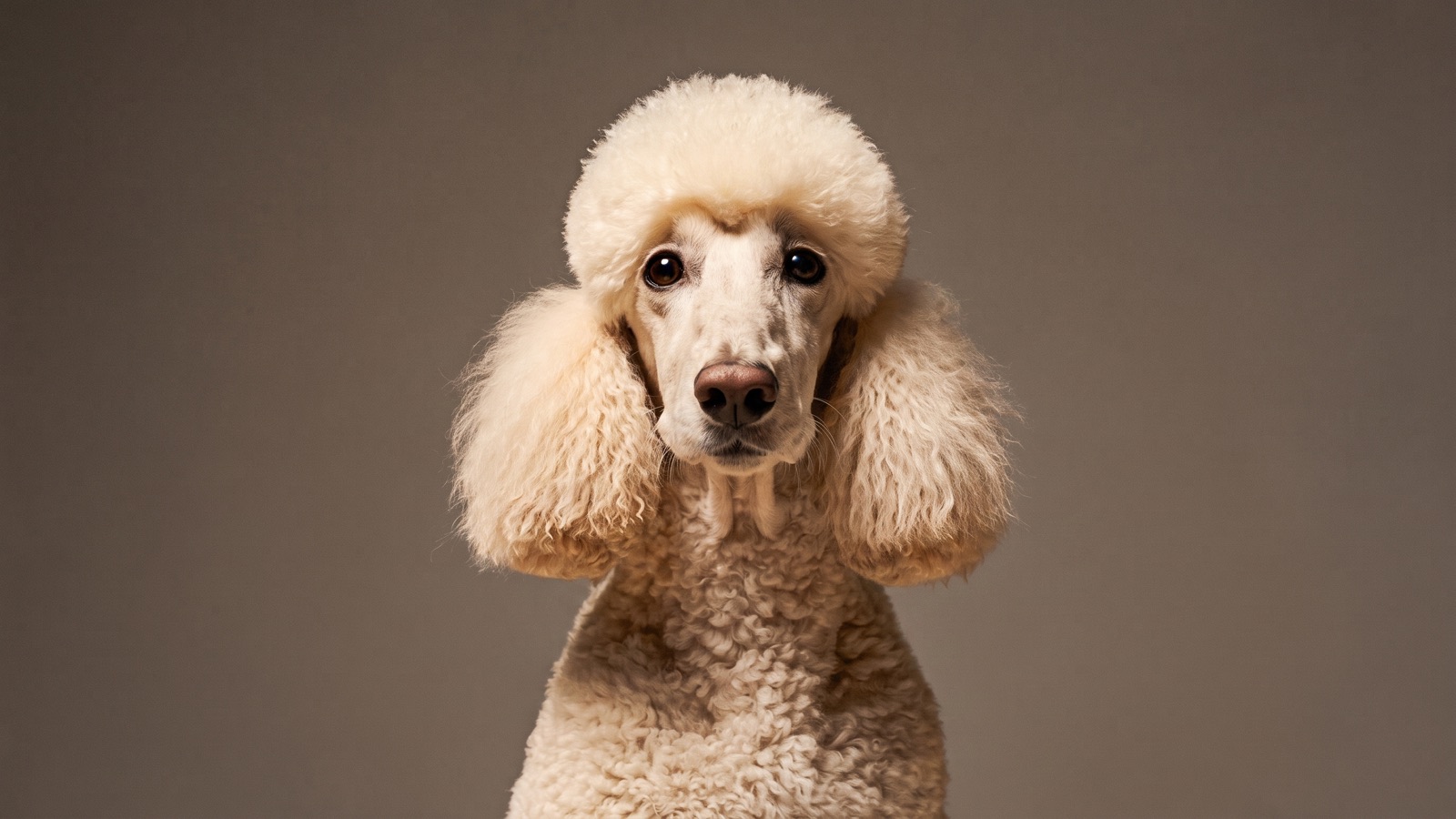
Curly and wavy coats are often beautiful, soft, and plush, but they require consistent upkeep. These coats may shed less around the house, yet they are much more prone to matting. Loose hair can become trapped within the curls instead of falling away, which means brushing and combing are essential.
Curly or wavy-coated dogs usually need:
- Frequent brushing and combing to prevent knots
- Regular full-service dog grooming appointments
- Scheduled haircuts to maintain a manageable length
- Extra attention around ears, legs, tail, collar line, and sanitary areas
Matting can happen quickly, especially after playtime, swimming, harness wear, or rainy walks. A professional groomer can help dog owners choose a trim length that fits both the dog’s lifestyle and the owner’s home-care routine.
Silky Coat
Silky coats are fine, flowing, and elegant, but they can tangle easily. These coats often need a balance of gentle brushing, regular bathing, and careful trimming around high-maintenance areas. Friction from clothing, harnesses, bedding, and movement can create snarls before owners even realize they are forming.
Silky-coated dogs often benefit from:
- Frequent brushing with the right tools
- Regular baths and conditioning support
- Light trimming to keep feathers and outlines neat
- Professional grooming to manage tangles before they become mats
This coat type can look polished and beautiful with consistent care, but it tends to show neglect quickly if grooming falls behind.
Wire or Rough Coat
Wire-coated and rough-coated dogs have a distinct texture that helps protect them in outdoor conditions. These coats often need hand maintenance, regular brushing, and tidy-up grooming to keep them functional and comfortable. Even when the coat appears rugged, it still needs routine care for skin health and cleanliness.
Depending on breed and coat condition, grooming needs may include:
- Routine brushing to prevent coat buildup
- Bathing that preserves coat texture appropriately
- Face, feet, and sanitary trims
- A customized grooming plan based on lifestyle and coat goals
How to Tell if Your Dog’s Coat Needs More Attention
Many dog owners do not realize their dog’s coat routine needs adjusting until the signs become obvious. A healthy coat should feel clean, manageable, and appropriate for the dog’s breed mix and daily life. If grooming starts to feel difficult at home, that often means the dog would benefit from more frequent professional support.
Watch for these common signs:
- Tangles forming behind the ears, under the legs, or around the collar
- Excessive shedding or undercoat coming out in clumps
- A dull coat that feels heavy, greasy, or dry
- Strong odor returning quickly after a bath
- Nails clicking on the floor
- Discomfort during brushing
- Mats close to the skin
These issues do not mean a dog is unhealthy, but they do suggest the current grooming routine may not be enough for that coat type.
Coat Type and Bathing Frequency
One of the most common questions dog owners ask is how often their dog should be bathed. The answer depends on coat type, activity level, skin sensitivity, and overall grooming routine. There is no single schedule that works for every dog.
In general:
- Short-coated dogs may do well with regular baths every few weeks, depending on lifestyle
- Double-coated dogs benefit from routine bathing and blowouts to loosen coat and reduce shedding
- Curly-coated dogs often need consistent bathing paired with brushing and haircuts
- Dogs with active outdoor lifestyles may need more frequent cleanup and maintenance
A professional groomer can help guide owners toward a realistic bath schedule that supports both skin health and coat condition. Overbathing or using the wrong products at home can create new problems, while waiting too long between baths can make coat care harder.
The Role of Brushing Between Grooming Appointments
Brushing at home makes a huge difference, but only when it matches the dog’s coat type and is done consistently. For some dogs, a quick weekly brushing is enough to remove loose hair and keep the coat tidy. For others, especially curly-coated dogs, brushing may need to happen several times a week or even daily in problem areas.
Helpful home coat care tips include:
- Brush in sections instead of only over the top layer
- Pay attention to friction areas where mats often form
- Use tools recommended for your dog’s coat type
- Keep brushing sessions short and positive
- Ask your groomer for a demonstration if you are unsure
At-home maintenance does not replace professional dog grooming, but it does help keep appointments more comfortable and productive.
Puppy Grooming and Coat Development
Puppies often start with a softer, fluffier coat that changes as they mature. That means a puppy’s grooming needs can shift over time. Early positive grooming experiences help puppies learn that bathing, brushing, nail trimming, and handling are normal parts of life.
Puppy grooming should focus on comfort, confidence, and gentle introductions. A young dog may not need a full haircut right away, but they can still benefit from:
- Light brushing and combing
- Baths and blowouts
- Face, feet, and sanitary tidying
- Nail trimming
- Calm exposure to grooming tools and sounds
Starting early can make a major difference in future appointments. A puppy who learns grooming is safe and manageable is more likely to grow into a dog who handles regular care with less stress.
Senior Dog Grooming and Changing Coat Needs
As dogs age, coat texture, skin condition, mobility, and grooming tolerance can change. Senior dog grooming often requires a gentler pace and a thoughtful approach. Older dogs may stand differently, tire more easily, or become more sensitive to brushing in certain areas.
Senior grooming appointments may involve:
- Shorter or more manageable trim styles
- Gentle brushing and handling
- Extra attention to cleanliness and comfort
- Regular nail trimming to support easier movement
- A calm, low-stress grooming environment
Professional groomers who prioritize dog-first care can help senior dogs stay clean and comfortable while respecting their physical needs. At Dapper Doodle Grooming, that calm, compassionate approach is an important part of the experience.
Matting, Shedding, and Skin Health: Why Routine Matters
Three of the most common coat concerns dog owners face are matting, shedding, and skin irritation. While these issues can have different causes, routine grooming often helps manage them before they escalate.
Matting is especially common in curly, wavy, and long coats. Mats pull on the skin, trap moisture and debris, and make brushing uncomfortable.
Shedding is normal for many coat types, but excessive loose coat buildup can make dogs feel heavy and itchy.
Skin health is closely tied to coat maintenance. A clean, well-maintained coat allows better airflow, easier inspection, and more comfort overall.
Professional grooming supports these needs through proper bathing, drying, brushing, de-shedding, and clipping techniques tailored to the dog. If owners notice unusual skin changes or signs of discomfort, it is always best to check with a veterinarian. Grooming works best as part of a full care routine, not as a substitute for medical advice.
How Often Should Your Dog See a Professional Groomer?
The ideal grooming schedule depends on coat type, haircut style, home brushing habits, and the dog’s age and lifestyle. Some dogs may benefit from professional dog grooming every four to six weeks, while others may need bath and tidy services in between larger appointments.
A few general guidelines:
- Curly or continuously growing coats often need more frequent grooming
- Double-coated dogs benefit from seasonal and regular de-shedding care
- Short-coated dogs still need baths, nail trimming, and coat maintenance
- Puppies need early and consistent introductions
- Senior dogs often do best with a steady, comfortable schedule
If you are unsure, a professional groomer can assess your dog’s coat and help you build a practical plan.
Choosing Dog Grooming Services That Match Your Dog
The best dog grooming services are personalized. Instead of choosing based only on breed, it helps to consider coat type, temperament, maintenance level, and comfort needs. A dog with dense shedding coat needs something different than a dog who requires regular haircuts and daily brushing support.
At Dapper Doodle Grooming, dog owners in Springfield, Missouri can find grooming support designed around the individual dog. Services such as full-service dog grooming, dog baths and blowouts, haircuts, nail trimming, and de-shedding treatments can all play a role in a healthy coat care routine. The goal is not just a tidy finish, but a clean, comfortable dog who feels cared for throughout the process.
Final Thoughts on Understanding Your Dog’s Coat
When dog owners understand their dog’s coat type, grooming becomes much less confusing. Instead of guessing how often to brush, when to book a haircut, or why matting and shedding keep showing up, they can make informed decisions based on what their dog actually needs. That leads to a healthier coat, better skin comfort, less stress at home, and a more enjoyable grooming experience overall.
If your dog’s coat care routine feels overwhelming, professional guidance can make all the difference. Dapper Doodle Grooming is proud to provide calm, dog-first grooming in Springfield, MO, with a focus on comfort, cleanliness, and trust. If you would like help building the right grooming schedule for your dog’s coat type, visit dapperdoodlegrooming.com or call (417) 496-1588. You can also stop by 1929 E Independence St, Springfield, MO 65804 to learn more about grooming options for your dog.
A great grooming routine does not have to be complicated. With the right support, every dog can enjoy coat care that fits their needs beautifully.