Understanding Your Dog’s Coat Type
Discover how different dog coat types affect grooming needs and routines for a clean, healthy pet.
A Beginner’s Guide to Dog Coat Types—and What They Mean for Grooming
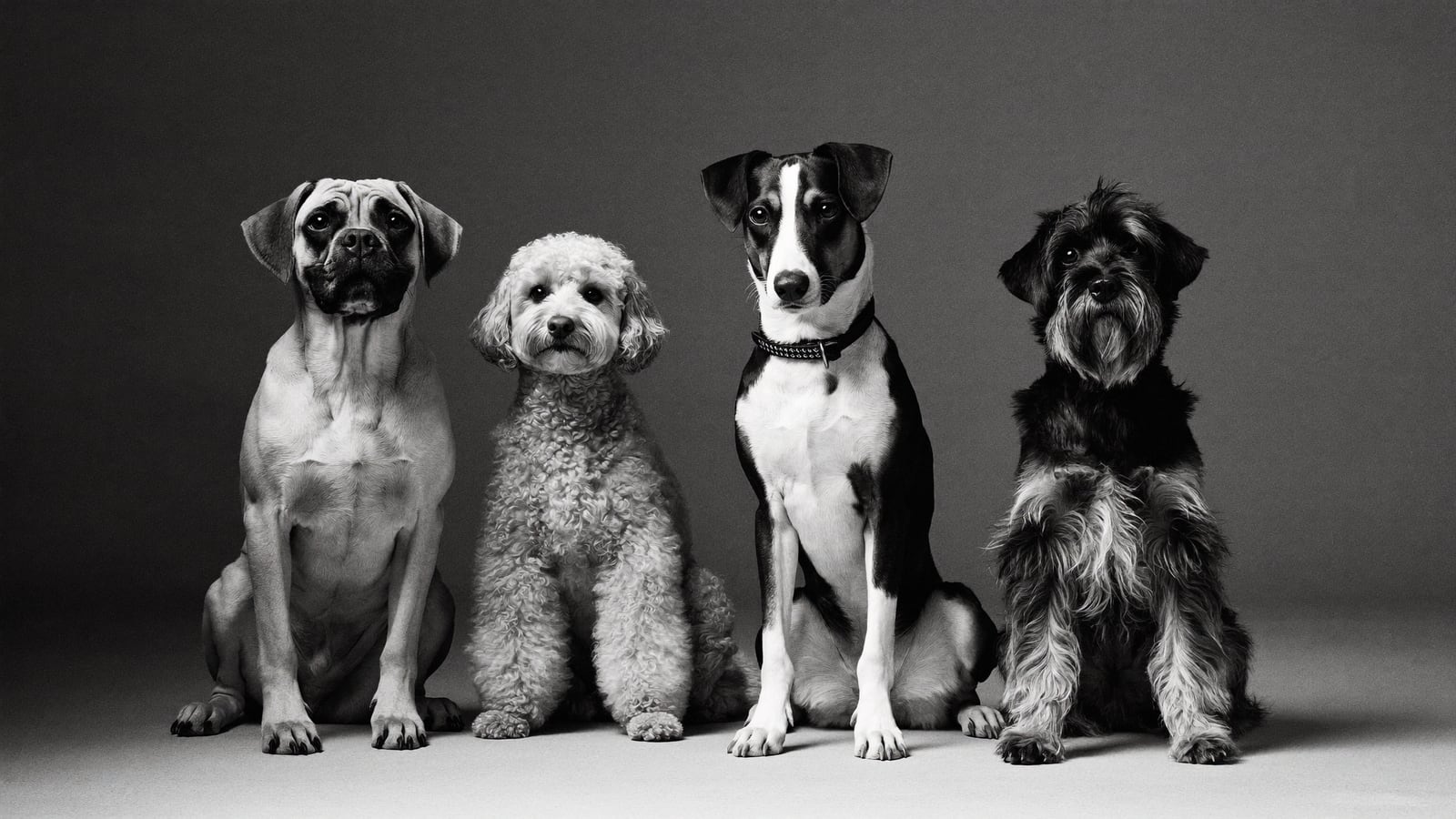
New to dog parenthood? Welcome! One of the most helpful things you can learn early on is how your dog’s coat type affects their grooming needs. Coat classification isn’t just a fancy label—it guides how often you brush, bathe, and book grooming appointments so your dog stays comfortable, clean, and healthy. At Dapper Doodle Grooming in Springfield, MO, we take a dog-first, low-stress approach and tailor every service to the coat in front of us—whether it’s silky and flowing or plush and double-coated.
This friendly guide breaks down the most common coat types, how to recognize them, and the best care routines for each. You’ll also find simple at-home tips, tools we recommend, and when to partner with a professional groomer for the best results.
Why Coat Classification Matters
Understanding your dog’s coat type helps you:
- Choose the right brush, comb, and shampoo
- Set a realistic grooming schedule and prevent matting
- Support healthy skin by removing dead hair and distributing natural oils
- Know when a haircut is appropriate—and when it’s not
- Make professional grooming visits more effective and low-stress
Every coat has unique needs. A curly-coated doodle and a double-coated husky both need regular grooming, but the methods and goals are different. The right routine keeps your dog’s skin comfortable, their coat beautiful, and their grooming appointments calm and easy.
First Things First: Single Coat vs. Double Coat
Most dogs fall into one of two broad categories:
Single-Coated Dogs
Single-coated dogs have one layer of hair. These coats can be short and smooth, long and silky, or curly and dense. They usually shed less than double coats (though some still shed) and often need routine brushing to prevent tangles or maintain shape. Some single-coated breeds benefit from regular haircuts to keep length manageable.
Double-Coated Dogs
Double-coated dogs have two distinct layers: a soft, insulating undercoat and a protective topcoat made of longer guard hairs. They shed seasonally (and sometimes year-round), especially during spring and fall “coat blowouts.” With double coats, the goal is to keep the undercoat healthy and managed with thorough brushing and de-shedding—not to shave the coat short, which can affect natural temperature regulation and coat texture.
How to Identify Your Dog’s Coat Type: Quick Checks
- Run your fingers through the fur. Do you feel a soft, dense layer beneath longer hairs? That’s likely an undercoat (double coat).
- Does the hair grow continuously and need trims to keep its shape? That points to a single coat that is hair-growth dominant (common in curly/wavy or silky coats).
- Do you see tight curls, loose waves, straight silky strands, or rough, textured hairs? Texture helps classify the coat within the single- or double-coat categories.
- Are furnishings (longer hair on the face, legs, and tail) present? Those features help identify wire or silky/drop coats.
The Main Dog Coat Types and How to Care for Them
1) Smooth/Short Single Coat
Examples include many short-haired companions with sleek, close-to-the-body fur. These dogs tend to shed lightly to moderately all year and have minimal tangling risk.
Home care:
- Brush 1–2 times per week with a rubber curry brush or soft bristle brush to remove loose hair and stimulate the skin.
- Bathe every 4–8 weeks, depending on activity and skin condition. Use a gentle, dog-safe shampoo.
- Wipe down after outdoor adventures to remove dust and pollen that can irritate skin.
Professional grooming focus: Deep cleansing baths, blowouts to remove shed, nail trimming, ear care, and deshedding as needed—without overworking the skin.
2) Double Coat (Short to Heavy Double)
Think plush companions with a soft undercoat and longer guard hairs. Shedding can be significant during seasonal changes.
Home care:
- Brush 2–4 times per week during shedding seasons; 1–2 times weekly otherwise.
- Use an undercoat rake or de-shedding tool followed by a slicker brush to lift and remove loose undercoat.
- Bathe every 6–10 weeks using a coat-appropriate shampoo, followed by thorough drying and brushing to prevent trapped undercoat.
Professional grooming focus: De-shedding treatments, high-velocity blowouts, thorough brushing/line-brushing, sanitary trims, and foot/feather tidying while preserving natural coat structure.
Important note: Shaving a double coat is generally not recommended unless medically necessary. The double coat helps insulate from heat and cold and shields the skin. Ask your groomer about alternatives like professional de-shedding and strategic trimming.
3) Long, Silky, or Drop Coat
These coats grow long and straight with a smooth, silky feel. They’re prone to tangling and matting, especially around ears, legs, armpits, and the tail.
Home care:
- Brush or comb every 1–2 days with a pin brush and a stainless steel comb, using a light detangling or conditioning spray to reduce breakage.
- Bathe every 3–6 weeks; always detangle before bathing to avoid tightening existing knots.
- Consider manageable lengths. Trims keep daily care realistic and comfortable.
Professional grooming focus: Regular baths and blowouts, shape trims or breed-standard styles, feet and sanitary trims, and ear care. Communication about your preferred length and lifestyle is key—your groomer can suggest a style you’ll be able to maintain at home.
4) Curly or Wavy (Poodle- or Doodle-Type)
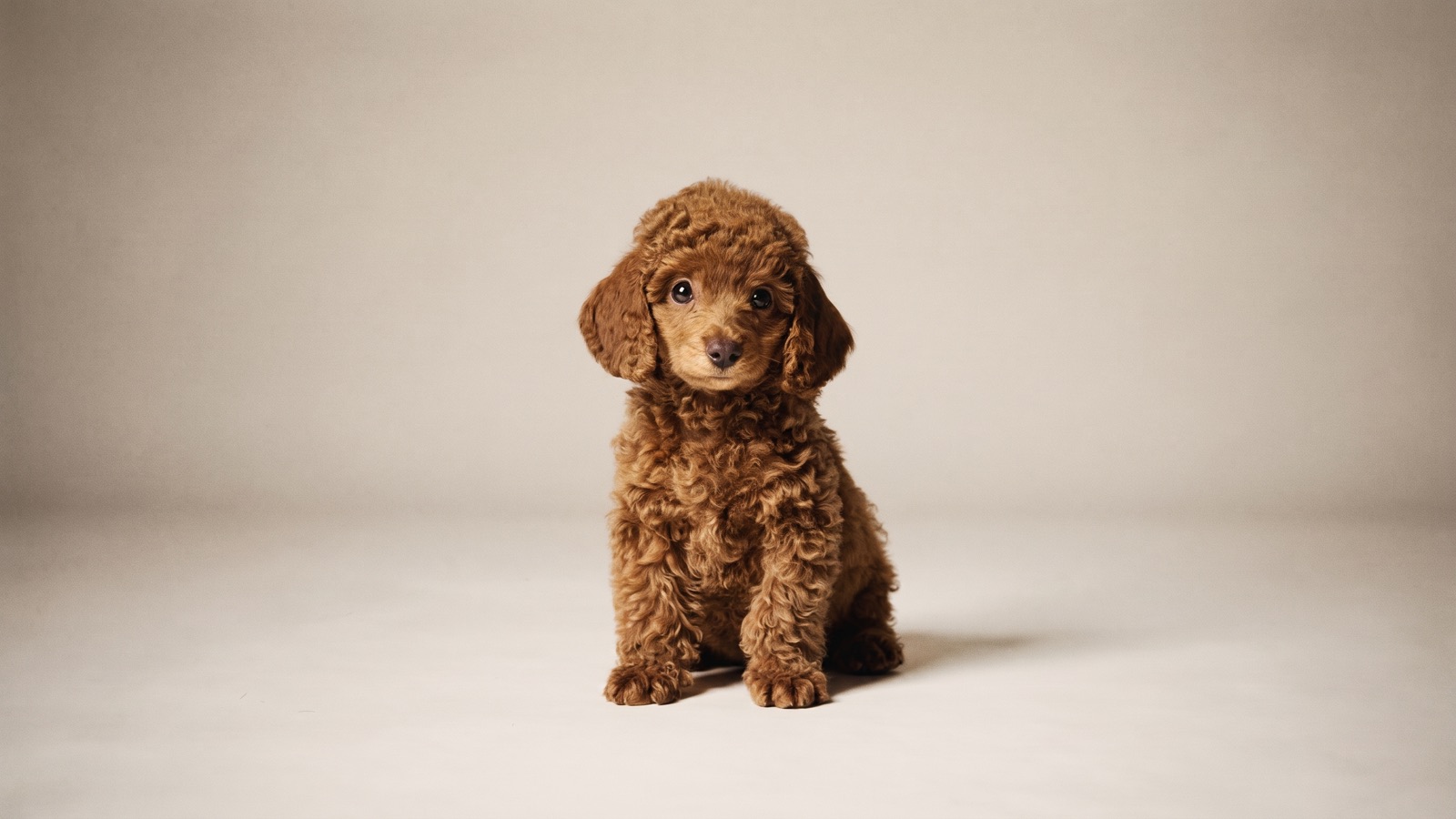
Curly and wavy coats tend to be single coats with hair that grows continuously. They can be plush and gorgeous—but they mat easily if not managed. Texture ranges from tight curls to loose waves, and maintenance varies accordingly.
Home care:
- Brush and comb 3–5 times per week. Use a slicker brush to open the coat and a stainless steel comb to check down to the skin. The comb should glide through with no snags.
- Always use a conditioning spray while brushing to protect hair and skin.
- Bathe every 3–6 weeks. Dry thoroughly and brush out as you go; damp curls can hide forming mats.
Professional grooming focus: Routine haircuts every 4–8 weeks (depending on preferred length), thorough blow-dry and brush-outs, paw and sanitary trims, and ear care. Shorter, practical trims often reduce matting and keep dogs more comfortable in active homes.
5) Wire or Rough Coat
Wire coats have a coarse, textured outer layer with softer hair beneath and distinct furnishings (beard, eyebrows, leg hair). The traditional maintenance method is hand stripping to maintain texture and color by removing dead guard hairs at the root. Not every pet needs full hand stripping; many families opt for a clippered version for comfort and convenience.
Home care:
- Brush 1–3 times per week with a slicker and finish with a comb, paying attention to furnishings where tangles form.
- Bathe every 4–8 weeks with a texture-friendly shampoo; avoid heavy conditioners that soften the wire feel unless you prefer a softer pet trim.
Professional grooming focus: Hand stripping for texture preservation (as appropriate and discussed with you), or clippered pet trims, plus routine hygiene care. Your groomer can advise which route fits your goals and your dog’s comfort.
6) Combination Coats
Some dogs have a mix—short hair on the body with longer furnishings on the legs, tail, and face. This combo can mean low maintenance on the body but high tangle potential in the feathered areas.
Home care:
- Brush body weekly with a bristle or slicker brush.
- Comb furnishings every 2–3 days, especially after walks or play.
- Bathe every 4–8 weeks; detangle before baths.
Professional grooming focus: Feather tidying, sanitary and paw trims, de-shedding if a double undercoat is present, and overall coat balancing to keep your dog neat and comfortable.
7) Corded Coats (Less Common)
Cording happens when hair forms intentional rope-like cords. It’s a specialized style that requires careful maintenance and patient drying to prevent trapped moisture.
Home care:
- Daily to frequent separation and “maintenance” of cords to keep them distinct and clean.
- Meticulous drying after baths; trapped moisture can cause odor and skin discomfort.
Professional grooming focus: Bathing, drying, cord maintenance, and hygiene trimming. Plan for extended appointment times due to careful drying needs.
Puppies and Seniors: Coat Care Through the Ages
Puppy Coats
Puppies often have softer “puppy coats” that transition to adult texture over several months. This change can bring increased shedding or new matting potential, depending on the coat type.
- Introduce brushing early in short, positive sessions—reward calm behavior and keep it fun.
- Schedule a gentle puppy introduction grooming visit to build confidence with bathing, drying, brushing, and nail trims.
- Expect the routine to change as the adult coat comes in; your groomer can help you adjust tools and frequency.
Senior Coats
As dogs age, coats can thin, become drier, or change texture. Seniors benefit from calm handling, shorter appointments when possible, and thoughtful styling that prioritizes comfort.
- Increase moisturizing and brushing as needed to support skin comfort.
- Choose manageable lengths to reduce brushing time and prevent mats.
- Discuss special accommodations like non-slip mats, extra support during baths, or more frequent but shorter sessions.
Brushes, Combs, and Tools: What to Use and When
- Rubber curry or grooming glove: Great for smooth coats; lifts loose hair and massages skin.
- Bristle brush: Adds shine and distributes natural oils on short to medium coats.
- Slicker brush: Excellent for curly/wavy, long, or dense coats to remove tangles and undercoat. Use a gentle hand.
- Pin brush: Helpful for long, silky, or drop coats; use with a conditioning mist.
- Stainless steel comb: The truth-teller—after brushing, comb all the way to the skin to confirm you’ve removed hidden tangles.
- Undercoat rake or de-shedding tool: For double coats during shedding seasons; follow with a slicker or comb to finish.
- Detangling spray/leave-in conditioner: Reduces friction, protects hair, and makes brushing more comfortable.
- Nail clippers or grinder: Keep nails at a healthy length; short, regular sessions are best.
Tip: If brushing seems to pull or your dog resists, pause and add a conditioning spray, then brush in small sections. If the comb can’t pass through, mats may be forming—time to schedule a professional visit.
Bathing Basics by Coat Type
Every dog is different, but these general guidelines can help set your schedule:
- Smooth/short single coats: Every 4–8 weeks, or as needed for odor and dirt.
- Double coats: Every 6–10 weeks with thorough drying and brushing to remove loosened undercoat.
- Long/silky/drop coats: Every 3–6 weeks, with detangling before and after bathing.
- Curly/wavy coats: Every 3–6 weeks in sync with haircut cycles.
- Wire coats: Every 4–8 weeks; aim to preserve texture as desired.
- Corded coats: As needed with careful, extended drying.
Always choose dog-safe products and rinse thoroughly. If your dog has skin sensitivities or is under veterinary care, follow your veterinarian’s product recommendations. Groomers support skin and coat health but do not replace medical guidance.
Seasonal Shedding and “Coat Blow”
Dogs with double coats often “blow” their coats during spring and fall, releasing large amounts of undercoat. You might see tufts coming out by the handful. Don’t worry—this is normal.
- Increase home brushing to several times per week during shedding seasons.
- Book a professional de-shedding treatment to speed up undercoat release and keep your home cleaner.
- Hydration and a balanced diet support healthy shedding cycles; for dietary questions, consult your veterinarian.
Common Myths—And Kind Clarifications
- Myth: “Shaving a double coat will keep my dog cooler.” Reality: The double coat helps regulate temperature and protects skin from sun and environmental factors. Instead of shaving, focus on de-shedding, thorough blowouts, and proper brushing.
- Myth: “If I’m getting a haircut soon, I can skip brushing.” Reality: Mats tighten with moisture during baths and can cause discomfort. Regular brushing keeps the coat comfortable and makes grooming appointments stress-free.
- Myth: “Curly coats don’t shed, so they don’t need grooming.” Reality: Curly coats hold onto loose hair, which turns into mats without frequent brushing and regular haircuts.
A Simple, Practical Grooming Schedule
Use this template and adjust based on your dog’s coat, lifestyle, and your groomer’s advice:
- Daily/Every Other Day: Quick brush-through for long, silky, curly, or combination coats; check armpits, behind ears, collar area, and tail for tangles.
- Weekly: Full-body brush and comb; nail check; quick eye/ear tidy; paw inspection for debris or burrs.
- Every 3–10 Weeks: Bath and professional grooming based on coat type. Curly coats usually 4–8 weeks; double coats 6–10 weeks; silky/drop coats 3–6 weeks; smooth coats 4–8 weeks.
- Seasonally: De-shedding appointments for double coats during coat blow; discuss trim adjustments for weather and activity changes.
Red Flags to Share with Your Groomer (and Your Vet if Needed)
Groomers are your front line for noticing coat and skin changes. If you see any of the following, let us know at your appointment—and consult your veterinarian for medical concerns:
- Persistent itching, hot spots, or sores
- Unusual odor that doesn’t resolve with bathing
- Sudden coat thinning or bald patches
- Excessive dandruff or greasy buildup
- Pain or sensitivity during brushing
How Professional Grooming Supports Each Coat Type
At Dapper Doodle Grooming, we tailor every service to your dog’s coat type and comfort level. Here’s how our team helps:
- Smooth coats: Deep-cleansing baths, gentle de-shedding, ear care, and nail trims to keep skin healthy and glossy.
- Double coats: Strategic de-shedding treatments and blowouts to release undercoat while preserving the protective topcoat.
- Silky/drop coats: Managing length with trims, careful detangling, conditioning, and styling you can maintain at home.
- Curly/wavy coats: Routine haircuts, thorough blow-dry and brush-outs, and coat education to prevent matting.
- Wire coats: Hand stripping (as appropriate) or clippered pet trims, plus tidy furnishings.
- Combination and corded coats: Customized maintenance plans that reduce stress and keep coats comfortable.
If you’re unsure what coat type your dog has, don’t worry—that’s what we’re here for. We’ll assess your dog’s coat, show you which tools to use, and recommend a realistic schedule that fits your life.
Local, Low-Stress Grooming for Springfield Dog Parents
Whether you’ve just welcomed a puppy or want to refresh your dog’s routine, our team at Dapper Doodle Grooming offers calm, professional dog grooming in Springfield, MO. We focus on gentle handling, clean and comfortable spaces, and clear communication so every visit feels safe and positive.
New to grooming? Explore our services, ask us anything, and let us help you build a simple plan tailored to your dog’s coat and lifestyle.
Quick Reference: Coat Type to Care Snapshot
- Smooth/short single: Weekly brushing; bath every 4–8 weeks; low tangle risk.
- Double coat: Brush 2–4 times weekly in shedding seasons; de-shedding treatments; avoid shaving.
- Long/silky/drop: Brush/comb every 1–2 days; trims keep life manageable; bathe every 3–6 weeks.
- Curly/wavy: Brush/comb 3–5 times weekly; haircuts every 4–8 weeks; prioritize mat prevention.
- Wire/rough: Preserve texture with hand stripping if desired or choose clippered pet trims; bathe every 4–8 weeks.
- Combination: Body weekly, furnishings every 2–3 days; tidy feathers and sanitary areas.
- Corded: Frequent cord separation and very careful drying; plan for longer professional sessions.
Ready to Build a Coat-Confident Routine?
If this is your first time navigating coat care, you’re not alone—every dog parent learns as they go. The key is consistency, the right tools, and a grooming partner you trust. Our team is happy to demonstrate brushing techniques, suggest home care products, and map out a stress-free schedule for your dog’s unique coat.
For friendly, professional guidance and premium dog grooming in Springfield, MO, visit Dapper Doodle Grooming. Prefer to talk it through? Give us a call at (417) 496-1588 or stop by 1929 E Independence St, Springfield, MO 65804.
Final Thoughts
Coat classification isn’t about labels—it’s about giving your dog everyday comfort and long-term skin and coat health. With a little knowledge and a consistent routine, brushing becomes quality time, baths become refreshing, and grooming appointments become calm and easy. If you ever feel stuck, we’re here to help. From puppy introductions to senior dog grooming, baths and blowouts to de-shedding treatments, Dapper Doodle Grooming will meet your dog where they are—gently, professionally, and with a smile.