What Makes Breed Specific Haircuts Different
Discover breed-specific grooming tips to keep your purebred dog's coat healthy and stylish at Dapper Doodle Grooming in Springfield, MO.

Breed-Specific Grooming: A Friendly Guide to Styling Standards for Purebred Dogs
If you share your home with a purebred dog, you’ve likely heard phrases like “breed standard,” “pattern trim,” and “show coat.” But what do these really mean when you’re booking professional dog grooming? At Dapper Doodle Grooming in Springfield, MO, we blend the art of breed-standard styling with a calm, dog-first approach—so your dog looks the part and feels fantastic. This guide breaks down how styling standards work, what matters most for coat health, and how to choose the right trim for your dog’s lifestyle, age, and temperament.
Whether you’re hoping for a picture-perfect breed profile or a low-maintenance pet trim that nods to tradition, our goal is the same: comfort, safety, and a beautiful, healthy coat.
What Are “Styling Standards” for Purebred Dogs?
Breed styling standards are grooming guidelines drawn from the written conformation standards for each breed. Those show-ring standards describe the ideal structure and look of the breed. Groomers translate those details into a practical grooming plan—deciding how to shape the coat, highlight the dog’s outline, and maintain hallmark features like ear set, head shape, or feathering—all while protecting skin and coat health.
In the salon, there are two common goals:
- Show-inspired styling: An interpretation of breed standards that emphasizes silhouette and hallmark details. This can require more frequent brushing, bathing, and coat care between appointments.
- Pet lifestyle trims: A lower-maintenance cut that respects breed identity and proportions but prioritizes easy upkeep, comfort, and a dog’s daily routine.
At Dapper Doodle Grooming, we start with the breed standard and then customize for your dog’s life. We’ll talk about activity level, coat condition, age, and what you realistically want to do at home—because the “best” style is the one your dog can wear happily and you can maintain with confidence.
Breed Standards vs. Real-Life Grooming
Show standards imagine an ideal coat in peak condition, meticulously maintained. In daily life, you might face a windy Ozarks hike, rainy park days, car rides, or a little rolling around on the living room rug. That’s why we treat standards as a guiding framework, not a rigid rulebook. Here’s how we bridge the gap:
- Proportion and balance first: Even with a shorter, pet-friendly length, we maintain a balanced outline that honors the breed’s essence.
- Coat health over length: Healthy coat and skin always wins. If matting or impacted undercoat prevents a longer style, we’ll recommend a reset and a plan to grow back safely.
- Function meets flair: We keep the features you love (a terrier’s eyebrows, a spaniel’s feathering, a poodle’s clean face) and adjust length for comfort and maintenance.
- Stress-free process: A calm experience makes for better styling. A relaxed dog lets us achieve cleaner lines and a more polished finish.
Understanding Coat Types and How They Shape Styling
Purebred dogs come with distinct coat types that determine grooming schedules, tools, and techniques. Knowing your dog’s category helps you make smart styling choices.
1) Double-Coated Breeds (e.g., Samoyed, Shetland Sheepdog, Golden Retriever, Alaskan Malamute)
Double coats have a dense undercoat and a protective topcoat. Breed styling emphasizes a natural outline with clean trim work on feet, hocks, sanitary areas, and sometimes minimal scissoring to tidy feathering. The focus is de-shedding and maintaining the coat’s natural function.
- Key salon priorities: Deep undercoat removal, line brushing, thorough drying, and careful scissoring only where appropriate.
- Home care: Use a slicker brush and a long-tooth comb; brush in sections down to the skin to prevent impacted undercoat.
- Tip: Clipping very short can alter texture and interfere with natural insulation. We’ll discuss pros and cons if you’re considering a close shave for comfort reasons.
2) Wire/Hard-Coated Breeds (e.g., Schnauzer, Wire Fox Terrier, Airedale Terrier)
Traditionally, wire coats are maintained by hand techniques that preserve color and texture. Salon approaches vary for pet lifestyles, and we’ll talk you through options that balance coat health and maintenance.
- Key salon priorities: Maintain breed pattern (furnished legs, eyebrows, beard), keep the body outline crisp, and care for skin underneath.
- Home care: Regular combing through furnishings; avoid letting beards and legs mat. Wipe food from beards to minimize tangles.
- Tip: If your dog’s coat or schedule isn’t suited to traditional techniques, we can do a pet-friendly clip that still respects the classic terrier silhouette.
3) Curly/Non-Shedding Coats (e.g., Poodle, Bichon Frise, Portuguese Water Dog)
These coats are sculpted by length and shape rather than shedding patterns. Breed-standard trims highlight balance, angulation, and hallmark outlines, but length choices depend on your brushing routine and schedule.
- Key salon priorities: Brushing and combing to the skin, clean blow-dry for a smooth finish, and precise scissoring for symmetry.
- Home care: Brush and comb a few times per week; a stainless-steel comb should glide from skin to tips without snagging.
- Tip: If you love a fluffy style, pre-book consistent grooming (often every 4–6 weeks) to prevent matting.
4) Silky/Drop Coats (e.g., Yorkshire Terrier, Maltese, Shih Tzu)
Silky coats are prone to tangles and tear staining. Show-inspired styles may keep the coat long and flowing; pet trims often go shorter for easy daily care while keeping breed identifiers like a rounded muzzle or topknot.
- Key salon priorities: Gentle detangling, eye-area hygiene, and shaping that complements head and body proportion.
- Home care: Daily quick brush-throughs and a weekly detailed session with detangling spray; keep the eye area clean and dry.
- Tip: A shorter “puppy cut” can still look very breed-specific with the right head and ear styling.
5) Smooth/Short Coats (e.g., Beagle, Boxer, Doberman Pinscher)
These coats don’t require scissoring, but professional grooming is still a game-changer for skin health and shedding control. The “style” is about polish: clean coat, neat nails, tidy feet, and a healthy shine.
- Key salon priorities: Thorough shampoo and conditioning, blow-drying, de-shedding tools as needed, nail trimming, and ear care.
- Home care: Rubber curry brush to lift loose coat, regular nail checks, and gentle wipe-downs between baths.
Signature Breed Details: What Makes the Look
Here are a few hallmark elements many purebred owners care about. Even with pet-friendly lengths, we can keep these in mind:
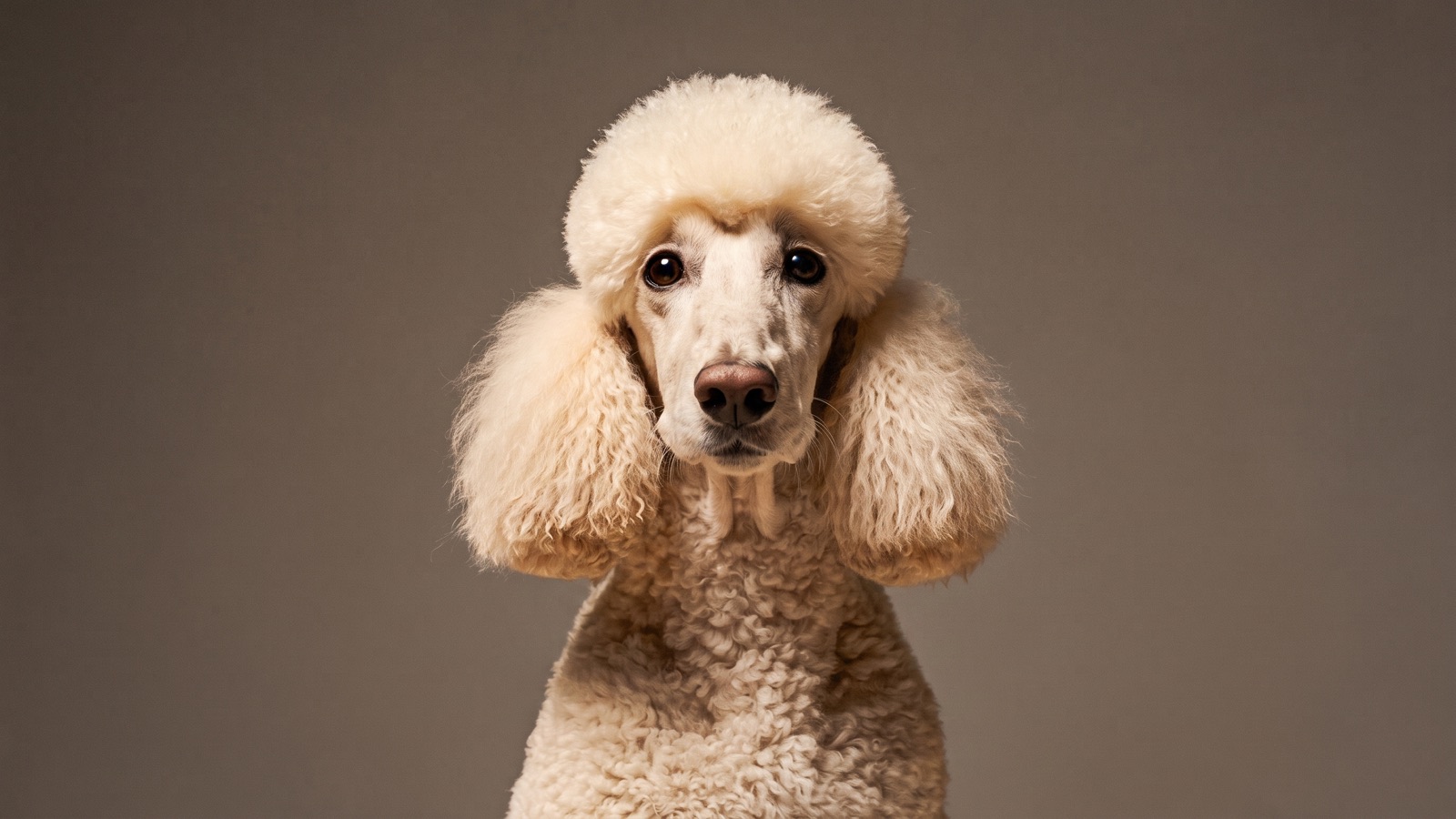
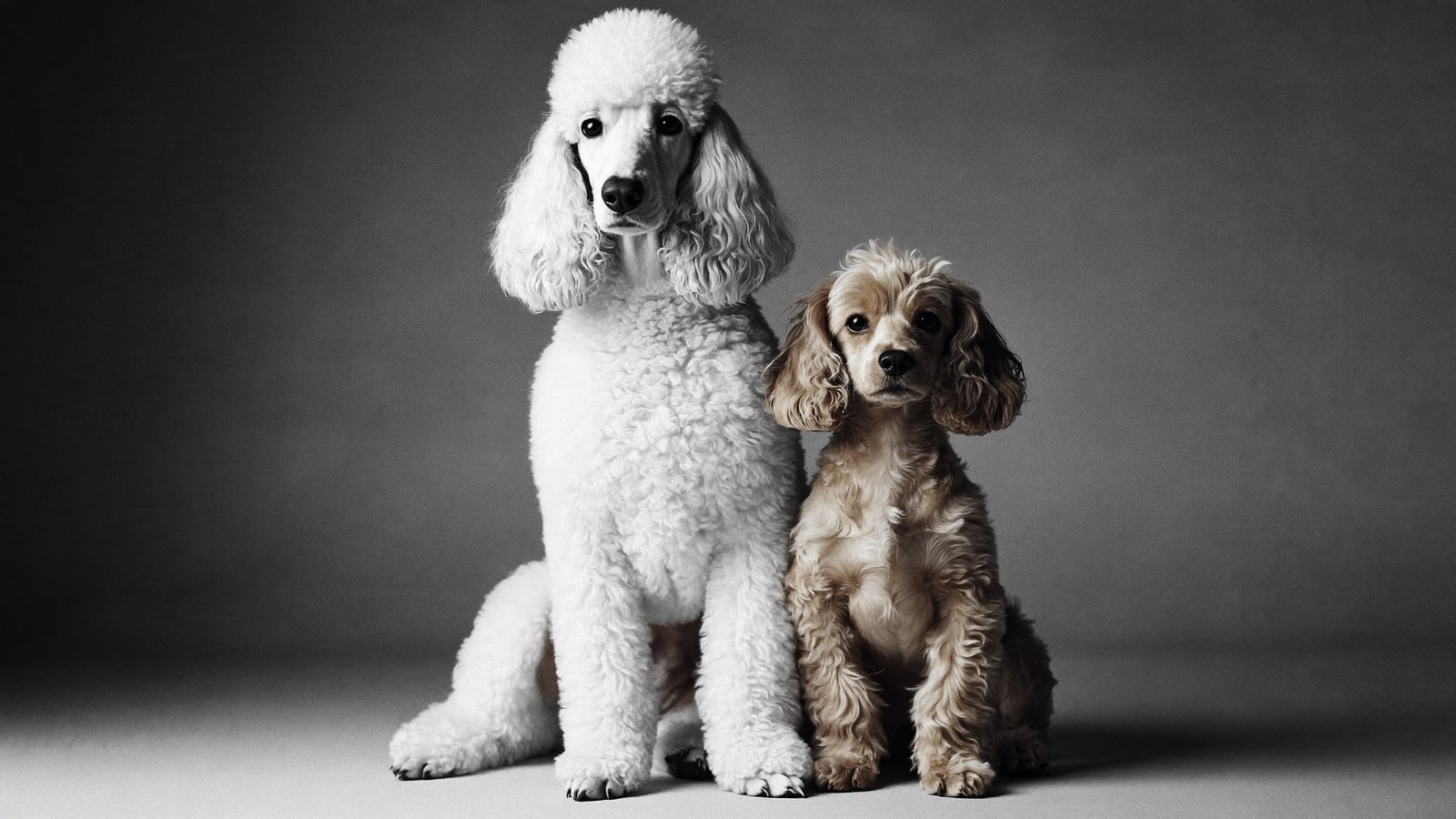
- Poodle: Clean face and feet; balanced topknot; sculpted legs. Pet trims can keep the topknot and rounded tail while choosing a practical body length.
- Miniature Schnauzer: Defined eyebrows and beard, short body with furnished legs. We can adjust the beard length and leg coat for easier upkeep while keeping that classic profile.
- Yorkshire Terrier: Bright, tidy face and ears; smooth, silky fall. Pet trims often include a neat muzzle and a topknot or short fringe for eye comfort.
- Shih Tzu: Round, open expression; topknot or short face for visibility; balanced body with tidy legs. We can tailor face length to prevent tear staining buildup.
- West Highland White Terrier: Distinctive carrot tail, tight feet, and a shaped head. Furnishings can be shorter for easier maintenance while keeping that Westie charm.
- Cocker Spaniel: Plush ears, feathering, and a rounded foot; body length varies by lifestyle. Regular de-shedding keeps the coat flowing and clean.
- Border Collie or Sheltie: Natural outline with tidy feet and hocks; controlled feathering. A trim should respect the double coat’s function and silhouette.
If you have a specific style in mind—like a longer Poodle lamb trim, a more defined Schnauzer pattern, or a shorter drop-coat puppy cut—we’ll map it to your dog’s coat condition and maintenance plan.
Show-Style vs. Pet Trim: Choosing What’s Right for You
Both paths are valid. The right choice depends on time, budget, lifestyle, and coat type.
- Go show-inspired when: You love the traditional look and can commit to frequent brushing and professional appointments; your dog enjoys salon time and tolerates detailed scissoring and drying.
- Go pet-trim when: You want a breed-aware silhouette that’s easy to maintain; your dog plays hard, swims, hikes, or has a coat more prone to matting without daily care.
- A blended approach: Keep hallmark details (like a Schnauzer face or Poodle topknot) with a shorter, less tangle-prone length on the body and legs.
How Often Should Purebred Dogs Be Groomed?
Grooming frequency is shaped by coat type, preferred length, and your at-home routine. Here are general ranges:
- Curly/non-shedding coats: Every 4–6 weeks for haircuts; bathing and brushing more frequently if kept long.
- Silky/drop coats: Every 4–8 weeks depending on length; eye-area hygiene and brushing often needed daily or every other day.
- Wire-coated and patterned breeds: Every 4–8 weeks for tidy patterns and maintenance of furnishings; regular combing at home.
- Double-coated breeds: Every 6–12 weeks to manage undercoat and seasonal shedding; more frequent during peak shed.
- Smooth/short coats: Every 4–8 weeks for bathing, de-shedding, and nail care.
We’ll personalize a schedule so the style you love stays healthy and achievable.
Puppy Path to Breed-Standard Grooming
Early, positive experiences build a lifetime of easy, stress-free grooming. For purebred puppies, we introduce the sights, sounds, and gentle handling they’ll encounter as adults.
- First visits focus on comfort: Warm bath, soft blow-dry, nail trim, gentle face and paw handling, and short sessions that end on a happy note.
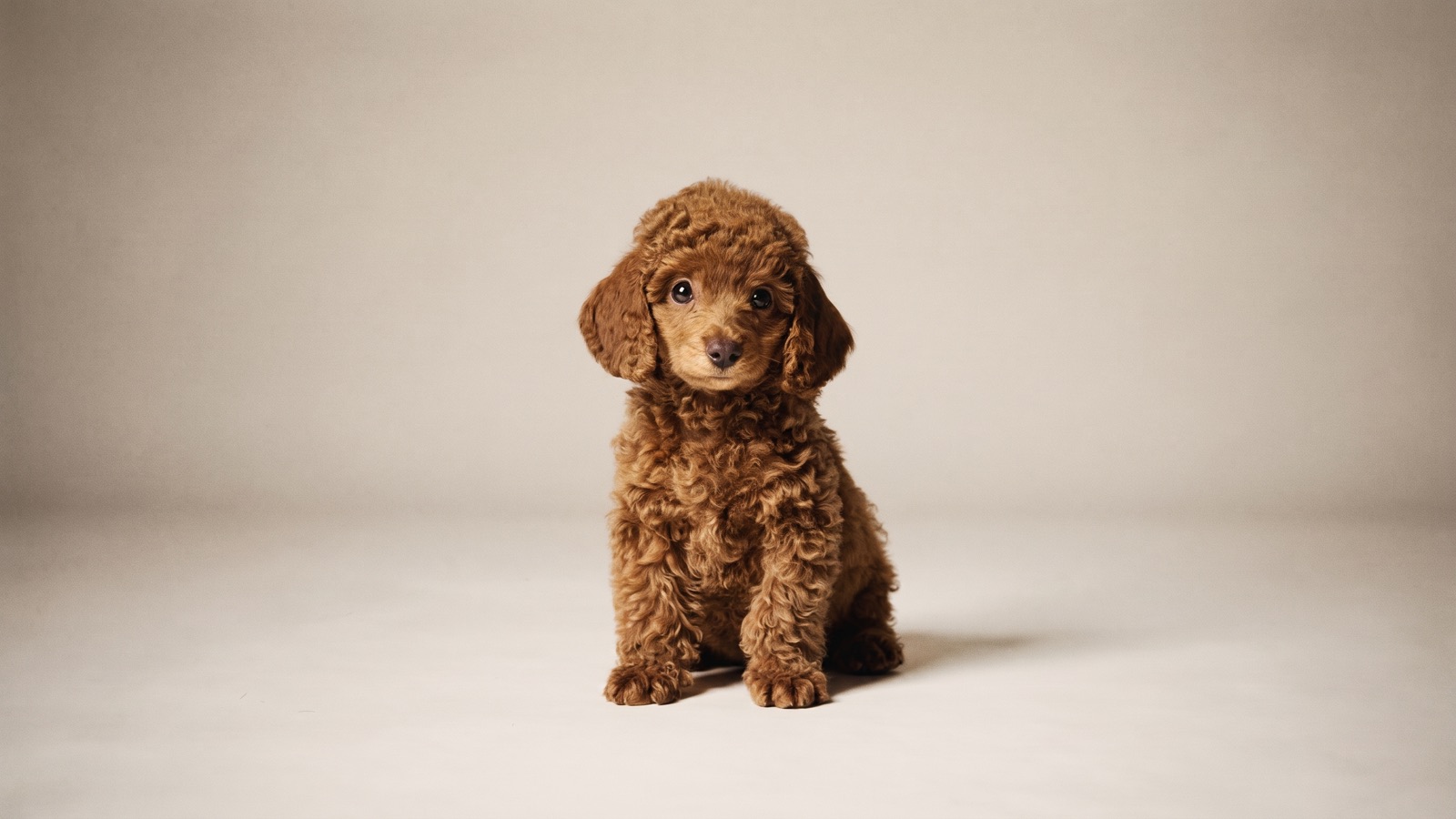
- Gradual styling: As your puppy grows, we shape toward the breed’s look—clean face/feet for Poodles, tidy corners for terriers, neat feet and ears for spaniels.
- Home practice: Daily treats for paw handling, calm brush-and-comb sessions in short bursts, and positive reinforcement around grooming tools.
Building these skills early makes it easier to maintain a polished, breed-appropriate style as your puppy’s coat matures. If you’re local, our calm, low-stress approach to puppy grooming in Springfield helps young dogs learn to love the process.
Senior Purebred Dogs: Compassionate Styling Adjustments
Senior dogs deserve comfort above all. Breed styling can be softened to put less strain on joints and reduce time on the table—without sacrificing dignity or a tidy look.
- Low-stress appointments: More breaks, supportive handling, and trim choices that minimize brushing friction on sensitive skin.
- Practical lengths: Shorter furnishings, shorter faces around the eyes, and tidy feet to prevent slipping.
- Nail and paw care: Frequent nail trims can make a big mobility difference for seniors.
We’ll discuss thoughtful updates to your dog’s style that keep them comfortable and clean while honoring the breed’s character.
Essential Elements of a Polished Breed-Aware Groom
- Clean skin and coat: High-quality shampoo and complete rinsing protect skin health and the coat’s natural texture.
- Thorough drying and brushing: Drying techniques and line-brushing make the difference between a fluffy, even finish and a dull, uneven result.
- Nail trimming and paw details: Tight, tidy feet and properly trimmed nails elevate the entire look and support mobility.
- Ear care: Regular cleaning supports comfort and allows the ear set and shape to present well.
- Finishing touches: Symmetry in the headpiece, clean corners, and balanced proportions bring the breed’s identity to life.
At-Home Care Between Grooming Appointments
Your daily or weekly care protects your styling investment. A simple routine helps most purebred dogs maintain their best look:
- Brush and comb schedule: Curly and drop coats often need 3–5 quick sessions per week; double coats benefit from weekly line brushing, more during shedding seasons.
- Tools that help: A quality slicker brush, stainless-steel comb, and a gentle detangling spray. For short coats, a rubber curry is perfect.
- Tangles and mats: If a comb won’t pass through to the skin, that area is matted. Don’t pull—pause and ask us for help. Comfort comes first.
- Bath timing: Always fully brush and comb before bathing. Water tightens tangles into mats.
- Nail care: Check every 2–3 weeks. Short nails support joint comfort and show off tight breed feet.
Common Questions from Purebred Dog Owners
Can I get a show cut if my dog isn’t headed to the ring?
Yes, as long as the coat, schedule, and temperament support it. We’ll explain the upkeep and can create a hybrid plan that keeps signature breed features with more practical lengths.
Will a shorter trim change my dog’s coat?
On some coat types (especially double coats), very short clipping can alter texture and regrowth patterns. We’ll walk you through the trade-offs and suggest alternatives like de-shedding and strategic tidy-ups.
How do I reduce shedding without losing the breed look?
Regular de-shedding, proper drying, and line brushing preserve a natural outline while removing packed undercoat. Seasonal schedules can help during heavy shed periods in Springfield’s climate.
My purebred has sensitive skin. Can we still do a breed-style trim?
Usually, yes—with gentle products, careful prep, and lengths that reduce friction. If you have medical concerns, we’ll suggest speaking with your veterinarian; we’re happy to coordinate the grooming approach.
What if my dog gets anxious during grooming?
We use a calm, low-stress process—unhurried handling, breaks, and clear communication about what your dog finds comfortable. A relaxed dog makes for better, safer, and prettier results.
How We Bring Styling Standards to Life at Dapper Doodle Grooming
Our Springfield team blends professional expertise with a gentle, dog-first philosophy. Here’s what you can expect when you book professional dog grooming with us:
- Consultation that listens: We discuss breed standards, your must-have features, and the maintenance you’re comfortable with.
- Coat and skin assessment: We tailor bathing, blowout, and de-shedding steps to your dog’s coat type.
- Breed-aware trim work: From breed-specific patterns to tidy pet trims, we highlight hallmark features while protecting comfort.
- Puppy introductions and senior care: Age-appropriate sessions set puppies up for success and keep seniors feeling their best.
- Clear home-care plan: We’ll show you simple, realistic routines to keep the style fresh between appointments.
Creating Your Dog’s Styling Plan: A Simple Step-by-Step
- Pick your priorities: Show-inspired silhouette, easy daily care, or a mix of both.
- Consider your schedule: How often can you brush? How often do you want professional grooming?
- Assess the coat today: Any matting, shedding, or sensitivity that suggests starting shorter?
- Choose hallmark features: Decide which breed identifiers matter most (topknot, beard, eyebrows, feathering, natural outline).
- Set a maintenance plan: Book a cadence that fits your goals—every 4–6 weeks for sculpted coats; seasonally strategic for heavy shedders.
Local, Loving, and Detail-Focused: Dog Grooming in Springfield, MO
Dapper Doodle Grooming is proud to serve Springfield, Missouri, with full-service dog grooming, dog baths and blowouts, de-shedding treatments, breed-specific trims, puppy introductions, and senior dog grooming—all in a clean, calm environment. We’re easy to find at 1929 E Independence St, Springfield, MO 65804.
If you’re exploring styling standards for your purebred, we’d love to help you find the sweet spot between classic breed identity and everyday practicality.
Ready to Talk Styles? Here Are Helpful Next Steps
- Soft CTA: Browse Dapper Doodle Grooming to learn more about our dog-first approach.
- Medium CTA: Bring a photo of your favorite breed look to your consultation; we’ll adapt it to your dog’s coat and lifestyle.
- Strong CTA: Call us at (417) 496-1588 to schedule or visit our website to book a grooming appointment in Springfield, MO.
Conclusion: Classic Style, Comfortable Dog
Styling standards aren’t about chasing perfection—they’re about honoring your purebred’s heritage while keeping them comfortable, clean, and confident. With the right plan, you can celebrate the details that make your dog special—those expressive eyebrows, that plush topknot, or that elegant outline—without turning grooming into a chore.
At Dapper Doodle Grooming, we combine professional skill with a gentle touch so your dog looks like the best version of their breed and enjoys every visit. If you’re in Springfield, MO, let’s create a grooming plan that fits your life and celebrates your dog’s unique style.