Why Terrier Breeds Need Specialized Grooming
Discover expert grooming tips for terriers, from coat care to calm salon visits. Make grooming easy and enjoyable for your pup!
Terrier Grooming 101: Breed Traits, Coat Care, and Calm Salon Visits for Terrier Lovers
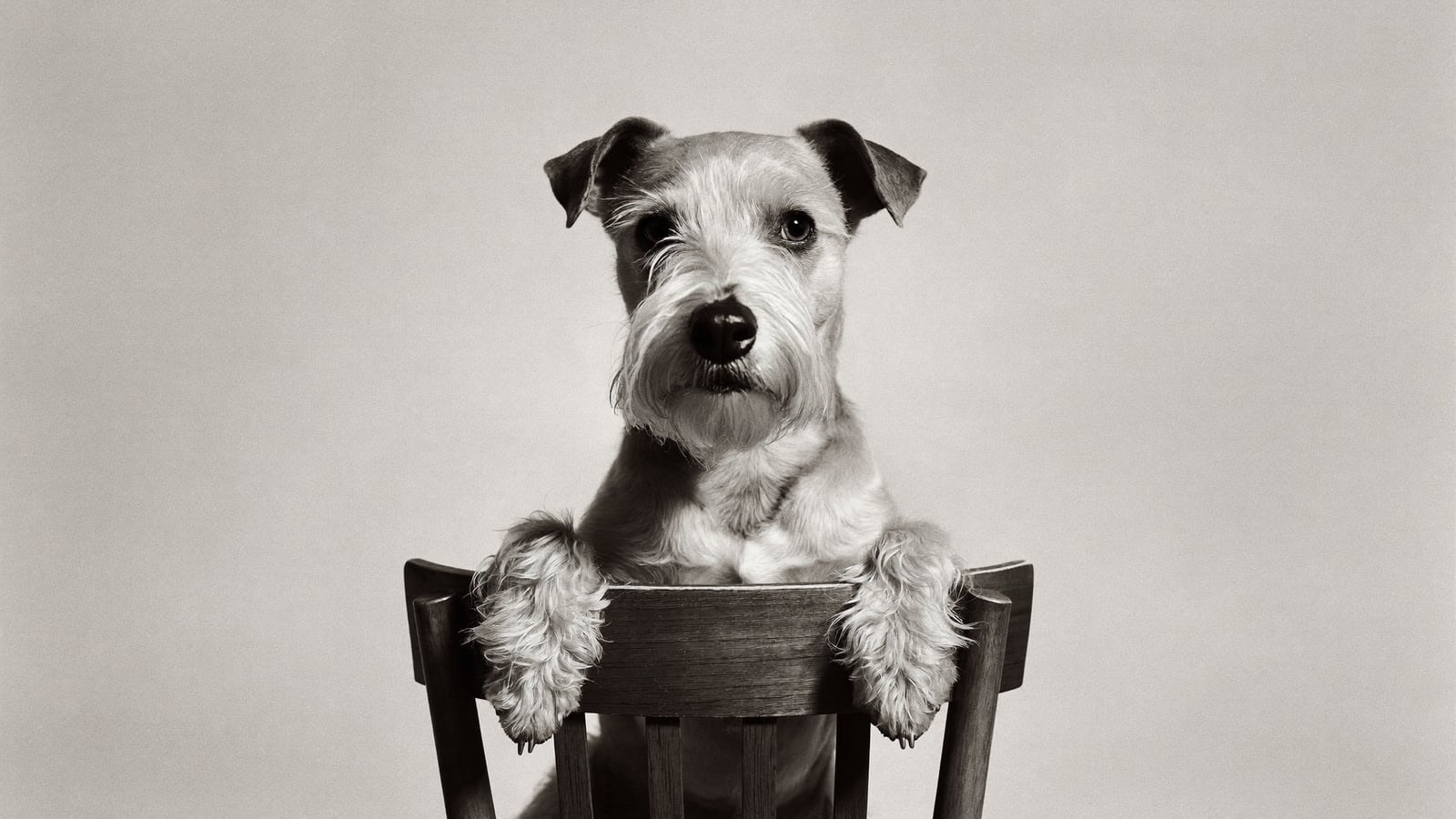
Spirited, clever, and endlessly entertaining—terriers are little dynamos with big personalities. From the classic wire-jacket of a Wire Fox Terrier to the silky, flowing hair of a Yorkshire Terrier, terriers come with a wide range of coat types and grooming needs. Understanding your terrier’s breed traits is the key to a healthier coat, happier skin, and stress-free visits to the salon.
At Dapper Doodle Grooming in Springfield, MO, we believe every dog deserves thoughtful, compassionate, and tailored care. This guide breaks down what terrier owners should know about coat types, hand stripping versus clipping, grooming schedules by life stage, behavior considerations, and practical home care—so your terrier can look and feel their best year-round.
What Makes Terriers Unique? The Coat and the Character
Terriers were bred to be bold, independent, and tenacious. That zest for life shows up in the grooming room, too. Many terriers are alert and energetic, which means they benefit from a calm, patient approach and clear routines. Their coats are equally unique: some are wiry and weather-resistant, others are fine and silky, and some terriers have sleek, low-maintenance coats that still shed more than you might expect. Tailoring grooming to both temperament and coat is essential.
Terrier Coat Types at a Glance
- Wire, rough, or “broken” coats: Common in breeds like the Wire Fox Terrier, Border Terrier, Cairn Terrier, Norfolk/Norwich Terrier, Airedale Terrier, and many Jack Russell/Parson Russell Terriers. These coats have a harsh outer jacket and a softer undercoat. Traditionally maintained by hand stripping (removing dead outer hairs by hand or with a stripping tool) to preserve texture, color, and skin health.
- Silky single coats: Seen in Yorkshire Terriers and Australian Silky Terriers. Hair grows continuously and can mat quickly, especially around the ears, armpits, legs, and face. Regular brushing and routine trims are key.
- Double coats with a harsh outer layer: West Highland White Terriers and Scottish Terriers often have a dense undercoat beneath a protective, harsh layer. They can be hand stripped for texture or clipped and carded for easier maintenance in pet households.
- Smooth, short coats: Some terriers (including smooth-coated Jack Russell/Parson Russell Terriers and similar mixes) shed steadily throughout the year. They benefit from regular de-shedding baths, rubber curry brushing, and thorough blowouts.
Hand Stripping vs. Clipping: Choosing What’s Right for Your Terrier
Coat maintenance for wire and rough-coated terriers traditionally involves hand stripping, a technique that removes dead guard hairs from the coat. When done appropriately, hand stripping helps maintain the coat’s wiry texture and rich color while supporting skin health. Many pet terriers also do very well with clipping and carding (clipping the outer coat while removing dead undercoat with special tools), especially when the goal is comfort, a tidy look, and lower maintenance at home.
Hand Stripping Basics
- Why it’s used: Preserves the crisp, weather-resistant texture and can help reduce itchiness associated with blown, dead coat sitting against the skin.
- Who it suits: Wire/rough-coated terriers whose owners prefer a traditional look and texture. It’s more time-intensive and requires consistent scheduling.
- Considerations: Not every terrier is a candidate. Some pet coats have softened from previous clipping or genetics. Comfort comes first—if a dog is stressed or has sensitive skin, other methods may be better.
Clipping and Carding for Pet Terriers
- Why it’s used: Practical, comfortable, and easier to maintain. Many families choose clipping for a neat appearance.
- What to expect: The coat may feel softer and can lighten in color over time. Regular carding (removing loose undercoat) helps improve skin airflow and reduce shedding.
- Good candidates: Seniors, dogs with sensitive skin, or terriers whose coat has transitioned from traditional texture.
At Dapper Doodle Grooming, our dog-first team will discuss your terrier’s coat history, comfort level, and lifestyle to recommend a plan that prioritizes well-being and keeps your dog looking sharp. If you’re new to terrier coat care, we’re happy to talk through the pros and cons so you can make the best choice for your pup’s needs. Learn more about our approach to calm, professional dog grooming in Springfield, MO.
Grooming Schedules by Life Stage
Consistency keeps coats healthier, reduces stress in the salon, and prevents small tangles from becoming big problems. Here’s a dog-first timeline by age.
Puppy Terriers: Building Positive Associations
Start grooming early—ideally after your veterinarian clears your puppy to visit a salon. Terrier puppies are curious and can be wiggly; short, happy experiences lay the groundwork for a lifetime of stress-free care.
- First visits: Keep sessions short with gentle introductions to the bath, blow dryer on low, nail trims, paw handling, and face/feet tidies.
- Frequency: Every 3–4 weeks helps normalize the process and prevents fear or resistance later.
- At home: Practice a few minutes of daily brushing and combing. Reward calm handling around paws, ears, and beard with treats.
Adult Terriers: Routine for Coat Health and Style
- Wire/rough-coated terriers: Many do well with maintenance every 4–8 weeks if clipping and carding; for traditional stripped coats, schedules vary by coat growth and may range from a rolling strip every 2–6 weeks to a full strip several times a year.
- Silky single coats (Yorkies, Silkies): Bath, brush, and tidy or haircut every 4–6 weeks, with daily to every-other-day brushing at home to prevent mats.
- Smooth coats: A bath, de-shedding treatment, and blowout every 4–8 weeks helps control shedding and supports skin health.
- Nails: Every 2–4 weeks. Regular trims help keep the quick short and paws comfortable.
- Ears: Gentle cleaning as needed; consult your groomer and vet about any ear hair management preferences for your terrier.
Senior Terriers: Comfort and Safety First
- Shorter, more frequent appointments: Seniors often do best with lighter, routine maintenance rather than long, infrequent makeovers.
- Supportive handling: Non-slip mats, warm water, extra time for rests, and considerate positioning for stiff joints.
- Coat choices: Many families opt for manageable lengths and simplified styles to reduce brushing time and keep seniors comfortable.
Home Care Between Appointments
Great grooming starts at home. A few minutes of consistent care can prevent mats, reduce shedding, and keep your terrier’s skin happy between salon visits.
Tools We Love for Terriers
- Slicker brush: Excellent for furnishings (legs, beard, chest) and for lifting dead hair from wire coats before you comb.
- Metal comb (fine/medium): Your mat detector. Always finish with a comb—if it glides through, you’re mat-free.
- Rubber curry or grooming glove: Ideal for smooth coats to loosen shed hair in the bath and during routine brushing.
- Detangling spray: A light, dog-safe mist helps prevent breakage and makes brushing more comfortable.
- Optional maintenance tools for wire coats: A gentle stripping stone or carding knife to remove loose undercoat. Go slow, and never force it; comfort comes first.
Brushing Tips by Coat Type
- Wire/rough coats: Brush furnishings with a slicker, then comb. For the jacket, card gently to remove undercoat; avoid harsh, repetitive pulling.
- Silky single coats: Mist lightly with detangler and line-brush in small sections, lifting hair from roots to tips. Always check friction zones: behind ears, armpits, collar area, tail, and hocks.
- Smooth coats: Use a rubber curry in circular motions a few times a week. Follow with a soft bristle brush to pick up loose hair.
Bathing and Drying
- Frequency: Generally every 3–6 weeks for most terriers, depending on coat type and lifestyle. Avoid overbathing; it can dry the skin.
- Rinse thoroughly: Residual shampoo or conditioner can cause itchiness. Rinse until the water runs clear and coats feel squeak-clean.
- Dry completely: Thorough drying helps prevent mildew scents, matting in furnishings, and skin irritation. Use low heat and take your time.
Common Terrier Coat Concerns (and How We Help)
Matting in Silky Coats and Furnishings
Silky coats and the “furnishings” on wire-coated terriers (beards, legs, chests) can mat quickly. Mats tug at the skin and make brushing uncomfortable.
- Prevention: Short, frequent brushing sessions and a quick comb-through after walks, playtime, or wet weather.
- Before bathing: Always brush and comb first—water tightens tangles into felt-like mats.
- In the salon: We prioritize humane dematting. If mats are extensive, a comfortable, manageable trim may be the kindest choice.
Shedding Surprises
While many terriers are touted as “low-shedding,” it varies. Smooth-coated terriers and mixed coats can shed steadily.
- What helps: Regular de-shedding baths, blowouts, and home brushing. Carding for rough coats also reduces loose hair at home.
Skin Sensitivities
Some terrier breeds are prone to sensitive skin. If you notice frequent scratching, hotspots, or persistent redness, chat with your veterinarian. In the grooming room, we use gentle, dog-safe products and a careful rinse-and-dry routine to help keep skin comfortable.
Eye and Face Care
- Keeping hair out of the eyes: For long-coated terriers, regular face trims or a neat topknot can prevent irritation and staining.
- Safety first: We use calm handling and precise techniques to shape eyebrows, beards, and brows characteristic of many terriers.
Ears and Nails
- Ear care: Regular, gentle cleaning of the ear flap and entrance helps keep things fresh. Ask your vet and groomer about the best approach if your terrier grows hair in the ear canals.
- Nails: Frequent trims keep feet comfortable and reduce the risk of snags. Don’t forget dewclaws—those can overgrow quickly.
Terrier Temperament: Setting Up a Calm, Low-Stress Groom
Terriers are bright and busy-minded. A few simple steps can make grooming day calmer for everyone.
- Exercise and potty break first: A relaxed terrier is a cooperative terrier.
- Bring familiar comforts: A favorite treat or chew can help create positive associations.
- Stay consistent: Regular appointments build trust and predictability. Your terrier learns the routine and settles more quickly each time.
- Gentle, confident handling: Our team focuses on calm communication, breaks when needed, and slow introductions to tools like dryers and clippers.
Breed-Specific Notes for Popular Terriers
Yorkshire Terrier
- Coat: Fine, silky hair that grows continuously and mats easily.
- Care tips: Daily brushing with a comb finish. Regular face trims and tidy ear tips can help keep ears perky and clean.
- Salon schedule: Every 4–6 weeks for bath, brush, and haircut or tidy.
West Highland White Terrier (Westie)
- Coat: Double coat with a harsh outer layer; furnishings can mat if neglected.
- Care tips: Routine brushing of legs and chest; gentle products suited to sensitive skin.
- Salon schedule: Every 4–6 weeks for a tidy or clip-and-card. Hand stripping is traditional for texture in some households.
Scottish Terrier
- Coat: Harsh jacket with a dense undercoat; iconic skirt, beard, and brows.
- Care tips: Regular combing of furnishings to prevent mats; shape maintained to highlight the Scottie’s silhouette.
- Salon schedule: 4–8 weeks depending on growth and preferred length.
Wire Fox Terrier and Border Terrier
- Coat: Wire jacket with furnishings; healthiest when dead coat is routinely removed.
- Care tips: Regular carding to lift undercoat; avoid overbathing, which can soften the jacket.
- Salon schedule: Rolling maintenance or periodic tidy every 4–8 weeks for pet trims.
Airedale Terrier
- Coat: Harsh wire coat with ample furnishings; the largest of the terriers.
- Care tips: Brush and comb in sections; check armpits, beard, and hocks often.
- Salon schedule: 4–8 weeks for bath, brush, and tidy; longer for more elaborate styles.
Jack Russell/Parson Russell Terriers (Smooth, Broken, Rough)
- Smooth coats: De-shedding baths and rubber curry brushing do wonders for loose hair.
- Broken/rough coats: Benefit from routine carding and careful removal of dead coat to keep texture crisp and skin comfortable.
- Salon schedule: Typically every 4–8 weeks, adjusted for lifestyle.
How Dapper Doodle Grooming Supports Terrier Owners in Springfield, MO
Terriers thrive with kind, consistent care. Our team at Dapper Doodle Grooming focuses on a calm environment, clear communication, and breed-respectful techniques. Whether your pup needs a tidy face and paw trim, a de-shedding bath and blowout, or a full-service groom with breed-inspired styling, we tailor each visit to your dog’s comfort level and your family’s routine.
- Dog-first, low-stress handling: Gentle, patient, and reassuring from check-in to pickup.
- Clean, comfortable salon: We keep a tidy space and soothing pace to help energetic terriers relax.
- Lifestyle-driven grooms: Looks that match your home care capacity, from wash-and-wear to breed-inspired trims.
- Puppy introductions and senior-friendly care: Age-appropriate sessions that build confidence and prioritize comfort.
Quick Reference: Terrier Grooming Must-Do’s
- Brush and comb high-friction areas several times a week (beard, legs, behind ears).
- Schedule regular grooming every 4–8 weeks, adjusted to coat type and lifestyle.
- Keep nails short with trims every 2–4 weeks.
- Rinse thoroughly at bath time and dry completely to care for the skin.
- Work with a professional groomer who understands terrier coat texture and temperament.
Your Springfield Terrier’s Next Best Groom Starts Here
If you’re navigating hand stripping versus clipping, trying to tame tangles, or simply want a calmer salon experience for your spirited sidekick, we’re here to help. Visit Dapper Doodle Grooming to learn more about our approach to professional dog grooming, or give us a call at (417) 496-1588. We’re conveniently located at 1929 E Independence St, Springfield, MO 65804.
Ready to make every terrier grooming visit a confident, tail-wagging success? Book your dog’s next appointment and experience thoughtful, breed-aware care designed around your best friend.