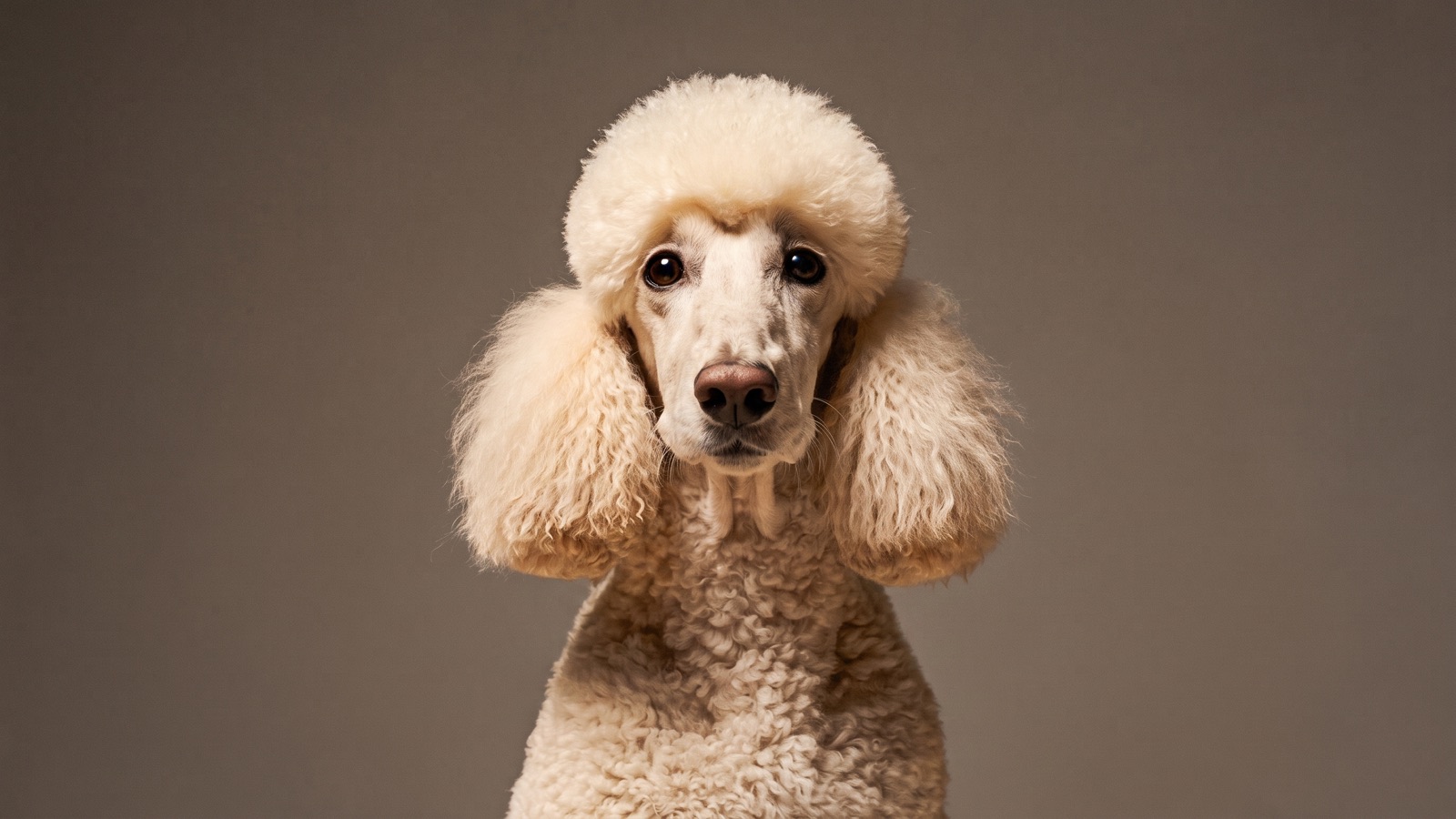
Grooming as Preventative Care: Catching Issues Before They Escalate
When most dog parents think “grooming,” they picture clean paws, a tidy trim, and that irresistible just-fluffed look.

Preventative Care Starts on the Grooming Table: How Regular Grooming Supports Early Detection for Your Dog
When most dog parents think “grooming,” they picture clean paws, a tidy trim, and that irresistible just-fluffed look. But the real magic of professional grooming goes deeper. Regular, low-stress dog grooming is one of the most practical forms of preventative care you can provide—helping you spot small changes early, support healthy skin and coat, and keep your pup comfortable at every life stage.
At Dapper Doodle Grooming in Springfield, MO, we believe every bath, brush, and nail trim is an opportunity to check in on your dog’s overall well-being. By combining gentle, dog-first handling with trained eyes and hands, grooming becomes a trusted rhythm that can bring concerns to light before they become bigger issues. If you’re exploring a kinder, more proactive approach to dog care, our team is here to help you build an easy, sustainable routine. Learn more about our calm, professional dog grooming approach at Dapper Doodle Grooming.
Why Grooming Is Preventative Care (Not Just Aesthetics)
Your dog’s skin and coat are a window into their health. During a full-service grooming appointment, a professional groomer sees and feels every inch of your dog’s body. This careful, methodical process often reveals subtle changes that are easy to miss in everyday life—especially in dense, curly, or long coats.
Here’s how thoughtful grooming supports early detection and long-term comfort:
- Skin and coat checks: Brushing and blow-drying separate the coat, revealing redness, dry patches, hot spots, and signs of irritation.
- Parasite awareness: Fleas, flea dirt, and ticks can be easier to spot during bathing, drying, and comb-throughs.
- Matting prevention: Tangles can hide moisture and debris, which may lead to discomfort. Early detection and careful dematting (when appropriate) help protect skin health.
- Nail and paw health: Routine nail trims support proper posture and movement, while a close look at paw pads can reveal cracks, dryness, or debris stuck between toes.
- Ears and eyes: Gentle cleaning supports comfort and lets us note excessive buildup, odor, or redness that may require attention.
- Mouth and breath observations: Halitosis or visible tartar may signal it’s time to talk with your veterinarian about dental care.
While groomers don’t diagnose or treat medical conditions, we’re often the first to notice when something looks different. Early awareness gives you time to consult your veterinarian and make informed decisions for your pup’s care.
What Professional Groomers Commonly Notice Early
Every appointment is a chance to compare your dog’s current condition to previous visits. These are some of the changes groomers frequently spot:
Skin and Coat Changes
- New lumps or bumps: Even small changes in size or texture are worth monitoring with your vet’s guidance.
- Dry, flaky, or oily skin: Shifts in skin condition may be seasonal—or a sign your dog needs a different bathing schedule or coat care approach.
- Hot spots or redness: Moisture and matting can fuel irritation; catching it early helps reduce discomfort.
- Coat thinning or dullness: Especially noticeable on the tail base, flanks, or neck during blow-dry and brush-outs.
- Parasites or flea dirt: Prompt awareness helps you act quickly with your veterinarian’s recommendations.
Ears, Eyes, and Face
- Odor or buildup in ears: A common source of discomfort that benefits from gentle cleaning and, if needed, veterinary care.
- Eye discharge or tear staining: Can indicate irritation or sensitivity; regular face trims keep the area clean and comfortable.
- Facial matting: Mats around the muzzle or eyes can trap moisture; careful maintenance supports skin comfort.
Nails and Paws
- Overgrown nails: Long nails can affect gait and comfort; routine trims prevent pressure and splitting.
- Pad dryness, small cracks, or debris: A common cause of licking and paw sensitivity, especially after long walks or play.
- Interdigital irritation: Early awareness lets you adjust exercise, cleaning, or footwear as advised by your vet.
Our role is to notice, document, and share observations with you in a calm, supportive way. Together, we build a grooming plan that keeps your dog comfortable and gives you peace of mind.
Your 5-Minute Home “Sniff, Stroke, and Scan”
Between professional grooming visits, this simple weekly routine can help you catch small changes early—especially on fluffy, curly, or double-coated dogs.
- Sniff: Notice any strong, sour, or musty odors from ears, paws, or coat.
- Stroke: Run your hands slowly along the neck, shoulders, chest, belly, legs, and tail. Feel for new bumps, tender spots, or tight tangles.
- Scan: Part the coat with your fingers or a comb to check the skin. Look for redness, flakes, scabs, or flea dirt (tiny black specks that may smear red-brown on a damp tissue).
- Peek: Check eyes for excessive discharge; gently look inside the ear flap for redness or heavy wax; lift lips to note breath and the appearance of teeth and gums.
- Paws and nails: Inspect between toes, around pads, and check nail length. If nails click loudly on hard floors, it may be time for a trim.
If you spot something new or concerning, note the location and when you first noticed it, take a clear photo if possible, and contact your veterinarian for guidance. Then let your groomer know so we can adjust your pup’s grooming plan with care.
Puppy Grooming: Gentle Introductions for a Lifetime of Stress-Free Care
Early, positive grooming experiences teach puppies that baths, dryers, and nail trims are just part of life—not something to worry about. Thoughtful puppy grooming is all about short, kind sessions that build trust and resilience.
Early Detection Wins for Puppies
- Skin sensitivity: Flaky or red patches show up quickly on delicate puppy skin.
- Mat-prone coats: Doodles and other long or curly-coated puppies benefit from early brushing lessons to prevent tight tangles.
- Nails and pads: Rapidly growing puppies often need more frequent nail trims to keep them comfortable as they learn to walk and play.
What a Puppy Intro Appointment May Include
- Calm meet-and-greet and gentle handling around paws, ears, and face
- Short bath with mild, dog-safe shampoo and a low, steady dryer
- Light brush-out and comb-through to part the coat and check skin
- Face, feet, and sanitary tidy (breed- and coat-appropriate)
- Short, positive nail trimming experience with rewards and breaks
Regular puppy appointments—often every 3–4 weeks—keep sessions short and positive while setting strong habits for life. If you’re in Springfield, Missouri and want to get your puppy started with gentle, professional grooming, visit Dapper Doodle Grooming.
Senior Dog Grooming: Comfort, Safety, and Compassion
As dogs age, preventative grooming becomes even more important. Senior pups may have changing skin, thicker nails, arthritis, or decreased vision and hearing. We tailor sessions to their comfort with more breaks, supportive handling, and clear communication.
Early Detection Wins for Seniors
- Nail and foot comfort: Frequent trims help with traction and posture.
- Coat changes: Thinning, dryness, or matting in friction areas can appear quickly.
- Lumps and bumps: A familiar set of hands is more likely to notice new or changing spots during the bath and blowout.
How We Support Senior Comfort
- Unhurried pacing and rest breaks
- Non-slip mats and supportive handling on and off the table
- Quiet, low-stress drying with careful temperature control
- Trim styles focused on cleanliness and easy maintenance
Always tell your groomer about arthritis, sensitive areas, or mobility changes so we can adjust handling and timing to keep your senior comfortable.
Coat Care 101: Preventing Matting and Supporting Skin Health
Different coats need different routines. The right schedule reduces shedding, prevents matting, and keeps skin happy.
Curly, Wavy, and Long Coats (e.g., many doodles and long-coated breeds)
- Home care: Brush 3–5 times per week with a slicker brush followed by a stainless-steel comb to the skin. Focus on friction zones—behind ears, collar/ harness areas, armpits, chest, belly, and tail.
- Salon frequency: Generally every 4–6 weeks for bath, blowout, brush, and trim. Consistency prevents tight mats and supports gentle maintenance.
- Early detection angle: Regular blowouts and comb-outs part the coat thoroughly, revealing hidden skin changes.
Double-Coated Dogs (e.g., many spitz and herding types)
- Home care: Weekly undercoat raking or de-shedding brush, plus a comb to check for tangles behind ears and thighs.
- Salon frequency: Every 6–8 weeks for bath, blowout, and de-shedding helps release impacted undercoat and reduces hot spots.
- Early detection angle: A proper de-shed and high-velocity blowout expose the skin so changes are easier to see.
Smooth and Short Coats
- Home care: Weekly rubber curry brush or grooming glove to lift dander and stimulate the skin.
- Salon frequency: About every 6–8 weeks for bath, blowout, nail trimming, ear cleaning, and thorough skin check.
- Early detection angle: Even without long hair, a professional once-over is invaluable for noticing new bumps or irritation.
Nails, Ears, and Teeth: Small Habits with Big Impact
Regular maintenance of nails, ears, and teeth supports comfort and can reduce preventable issues.
Nail Trimming
- Frequency: Typically every 3–6 weeks, depending on growth and activity level.
- Why it matters: Nails that are too long can alter posture and cause discomfort. For dogs whose quicks are long, frequent trims can help recede them gradually.
- At-home tip: If nails click loudly on hard floors, it’s time.
Ear Care
- Frequency: Check weekly; many dogs benefit from gentle cleaning at each grooming visit.
- Early signs to note: Odor, redness, head shaking, or excessive wax. If you see these, consult your vet before cleaning.
Teeth and Breath
- Daily habit: Dog-safe toothbrushing or dental wipes support fresh breath between professional cleanings.
- Early signs to note: Persistent bad breath or visible tartar—ask your veterinarian about oral health options.
How Often Should My Dog Be Groomed?
Your dog’s ideal schedule depends on coat type, lifestyle, and age. A consistent rhythm supports both comfort and early detection:
- Puppies: Short, positive sessions every 3–4 weeks build confidence and routine.
- Curly/long coats: Every 4–6 weeks prevents matting and allows for thorough skin checks.
- Double coats: Every 6–8 weeks for a de-shed package with a complete bath and blowout.
- Smooth/short coats: About every 6–8 weeks for a bath, blowout, nail trim, and ear cleaning.
- Seniors: Often benefit from slightly shorter intervals for nails and gentle maintenance.
We’ll help you tailor a plan that fits your dog’s needs and your lifestyle while prioritizing their comfort and well-being.
Tell Your Groomer: Information That Improves Early Detection
Sharing the right details helps us tailor our care and pay special attention where it matters:
- Recent vet guidance or ongoing treatments (so we can handle with care and follow any restrictions)
- Areas your dog dislikes being touched or any known sensitivities
- Mobility changes, stiffness, or vision/hearing differences
- Any new lumps, rashes, or behavior changes you’ve noticed at home
Open, two-way communication makes grooming safer, calmer, and more effective—especially for early detection.
Between-Groom Care: Simple Routines that Make a Big Difference
You don’t need a closet full of tools to keep your dog comfortable between appointments. Focus on consistency and technique:
- Brush to the skin: Use a slicker brush to separate the coat in small sections; follow with a comb to ensure you’ve reached the skin. If the comb snags, keep working gently in that spot.
- Dry thoroughly after baths: Damp undercoats can lead to tangles and irritation. If you bathe at home, ensure a complete dry and brush-out.
- Protect friction zones: Check under the collar or harness after walks; remove tangles before they tighten.
- Paw care: Wipe paws after muddy or salty walks; use a dog-safe balm if pads look dry.
- Routine checks: Do the weekly “sniff, stroke, and scan.” Small checks add up to big wins.
When to Call Your Veterinarian vs. Your Groomer
Groomers and veterinarians are partners in your dog’s wellbeing. Reach out to your vet for medical concerns and to your groomer for comfort, hygiene, and maintenance questions.
Call Your Veterinarian If You Notice:
- Rapidly changing or painful lumps
- Open sores, significant redness, or persistent itchiness
- Strong ear odor, head shaking, or apparent ear pain
- Sudden limping, difficulty standing, or behavior changes
- Persistent vomiting, diarrhea, or loss of appetite
Call Your Groomer If You Need:
- Bathing, blowouts, or de-shedding to help reveal and relieve coat issues
- Matting prevention or a maintenance trim to keep skin clean and comfortable
- Nail trims, paw pad tidies, or foot care
- A gentle puppy introduction or a senior-friendly session
Not sure who to call first? We’re happy to offer non-medical guidance about grooming comfort and let you know if something is better addressed by your veterinarian.
Low-Stress, Dog-First Grooming in Springfield, Missouri
At Dapper Doodle Grooming, every step—from the greeting to the final fluff—is designed around your dog’s comfort. We keep the atmosphere calm and clean, communicate clearly, and always work at your pup’s pace. That approach not only looks great in the mirror—it makes early detection easier and safer.
Whether your dog needs a full-service groom, a bath and blowout, a breed-specific trim, a de-shedding treatment, a puppy introduction, or compassionate senior dog grooming, our Springfield team is ready to help you build a preventative care routine you can count on.
Ready to Build a Preventative Grooming Routine?
Let’s make grooming a calm, confidence-building part of your dog’s life—one that supports early detection and lasting comfort.
- Learn more: Explore our philosophy and services at Dapper Doodle Grooming.
- Call us: Have questions about your dog’s coat, schedule, or comfort needs? Reach our Springfield, MO team at (417) 496-1588.
- Visit us: Dapper Doodle Grooming, 1929 E Independence St, Springfield, MO 65804.
Your dog’s well-being is our why. With consistent, professional care—and a few simple habits at home—you’ll have a clean, comfortable companion and the peace of mind that comes with early detection.