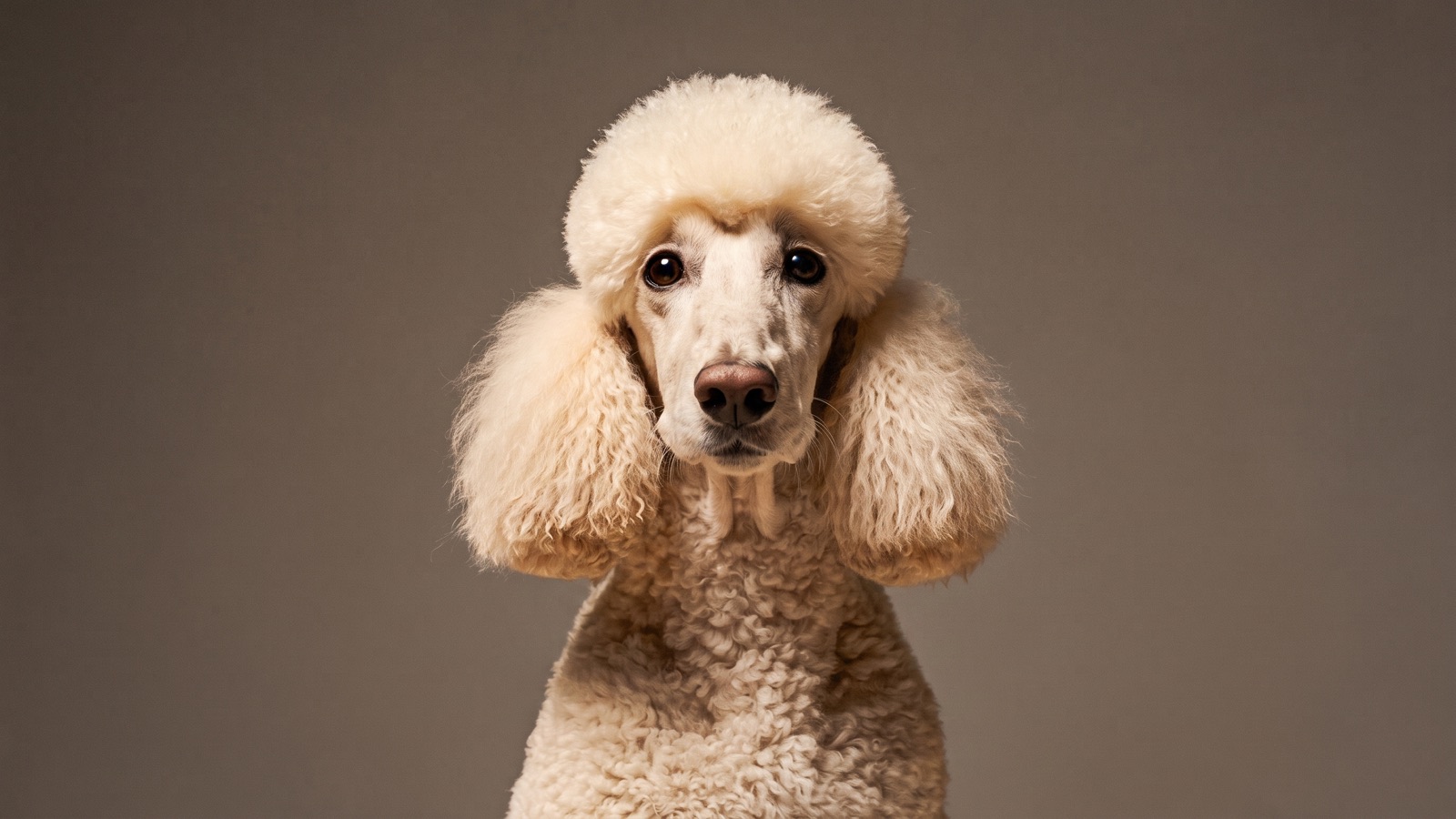
How Grooming Helps Detect Lumps and Bumps Early
Vigilant dog parents know the secret to a happy, healthy, great-smelling pup isn’t just the bath and haircut—it’s what happens between appointments.
Watchful Eyes, Happier Grooms: The Power of Observation for Vigilant Dog Parents
Vigilant dog parents know the secret to a happy, healthy, great-smelling pup isn’t just the bath and haircut—it’s what happens between appointments. A few calm, consistent moments of observation each week can make every groom easier, safer, and more comfortable for your dog. At Dapper Doodle Grooming in Springfield, MO, we see the difference thoughtful home care and early noticing can make, from preventing mats to catching skin irritation before it becomes painful. Consider this your friendly, expert guide to using your eyes and hands as powerful tools for your dog’s well-being.
Why Observation Matters Between Grooms
Observation is the everyday practice of quietly checking your dog’s coat, skin, paws, ears, nails, and overall comfort. It’s simple, and it pays off in big ways:
- Prevents discomfort: Early mats, overgrown nails, or minor skin flakes are easiest to handle when they’re small.
- Protects skin and coat health: Quick check-ins reveal shedding patterns, dry patches, or buildup that can be fixed before they escalate.
- Lowers stress on groom day: Dogs who are brushed regularly and accustomed to gentle handling enjoy calmer, faster, more comfortable appointments.
- Saves time and money: Prevention reduces the need for extensive de-matting, clip-downs, or extra sessions.
- Builds trust: Your observations help your groomer tailor services, so your dog gets exactly what they need.
Professional dog grooming is a partnership. When you bring your everyday observations to your appointments in Springfield, MO, we can customize services like de-shedding treatments, baths and blowouts, nail trimming, and breed-specific trims to keep your pup feeling their best.
A Simple Nose-to-Tail Weekly Check (Takes 5–7 Minutes)
This gentle routine helps you notice small changes early. Keep a calm, positive tone, and offer a treat or two so your dog associates the check with good things.
1) Eyes and Nose
- Look for: Bright, clear eyes; minimal tear staining; no squinting.
- Notice changes like: Excessive tearing, redness, crust, or strong odor around the eyes or nose. Wipe away mild debris with a soft, damp cloth and mention any persistent changes to your groomer or vet.
2) Ears
- Look for: Clean, pink inner ears and a neutral smell.
- Notice changes like: Discharge, redness, head shaking, scratching, or strong odor. Avoid probing inside—just note what you see. Share changes with your groomer; for signs of infection, call your veterinarian.
3) Mouth and Breath
- Look for: Pink gums and breath that isn’t overpowering.
- Notice changes like: Sudden bad breath, drooling, or reluctance to chew. Groomers don’t provide dental treatment, but we can note concerns for your vet.
4) Coat and Skin
- Look for: A coat that feels clean, smooth, and free of knots; skin that looks calm with no hot spots.
- Notice changes like: Mats behind the ears, under the collar, in armpits, or near the tail; flakes, redness, or new lumps. Light, frequent brushing is best—don’t yank at tangles. If mats form, schedule a professional groom to remove them safely.
5) Paws and Nails
- Look for: Nails just above floor level when standing; paw pads soft but not cracked; clean hair around paw pads.
- Notice changes like: Clicking nails on floors, splayed toes, licking paws, or matted fur between toes. Regular trims and tidy-ups are more comfortable for your dog’s gait.
6) Tail and Sanitary Areas
- Look for: Clean, tangle-free fur with no debris or odor.
- Notice changes like: Mats or buildup after potty breaks. A tidy trim and gentle cleaning during grooming help keep this area healthy and fresh.
7) Movement and Mood
- Look for: A normal stride, easy transitions from sit to stand, and typical enthusiasm.
- Notice changes like: Stiffness, hesitation with stairs, sensitivity when being touched, or less interest in play. Share mobility updates with your groomer so we can adjust handling and support.
Tip: Keep a small note in your phone with any observations so you can share them at check-in. Your memory plus our professional eyes make a great team.
Coat Types: What Your Observations Reveal
Different coats need different care. Noticing the right details ensures the best grooming plan for your dog.
- Double-coated shedders (e.g., many spitz and sporting breeds): Watch for seasonal “blowouts,” dull undercoat, and tufts around the rump or neck. Regular brushing and professional de-shedding treatments prevent impacted undercoat and help skin breathe.
- Curly and wavy coats: Check for tiny knots at friction points—behind ears, collar line, armpits, tail base, and paws. Light daily brushing and frequent comb-throughs at the skin level prevent mats that tug and hurt.
- Silky and long coats: Look for fine tangles that start at the ends and creep toward the skin. A moisturizing spritz during brushing and consistent trims keep hair manageable and glossy.
- Wire or broken coats: Watch for texture changes and trapped undercoat. Gentle carding or the correct grooming technique helps maintain texture while supporting skin health.
- Smooth coats: Even short hair benefits from observation—watch for dandruff, coat dullness, and shedding spikes. A professional bath and blowout lifts dead hair and revives shine.
Puppy Parents: Build Great Habits Through Observation
Puppies don’t come with a “grooming manual,” but your watchful eye helps create a lifetime of easy, stress-free grooming.
- Early handling: Briefly touch paws, ears, and tail daily. Pair with treats so grooming handling feels safe and familiar.
- Adolescent coat change: Many pups experience a coat transition that tangles easily. If you notice velcro-like mats forming, schedule a puppy grooming introduction for a tidy trim and gentle de-tangle before it snowballs.
- Consistency over length: Short, frequent visits beat long, stressful ones. Early positive experiences build confidence.
- Homework helps: A soft brush session just a few minutes a day makes future professional grooming smoother and more enjoyable.
We welcome puppies for low-stress, positive introductions and age-appropriate services. Share what your pup loves (and what worries them) so we can tailor the experience.
Senior Dogs: Small Changes Tell Big Stories
Older dogs communicate a lot with subtle signals. Observation helps us provide gentle, respectful care during senior dog grooming.
- Mobility shifts: Stiff joints, weak back legs, or trouble standing may call for shorter sessions, more breaks, or supportive handling.
- Skin and coat changes: Thinner skin, new growths, or dry patches benefit from delicate brushing and careful clipper work. Mention any new lumps or sensitive spots.
- Nail health: Nails often thicken with age and may need more frequent trimming to support balanced movement.
- Comfort cues: Increased anxiety or sound sensitivity can be eased by calm scheduling, quieter times of day, and gentle pacing.
At Dapper Doodle Grooming, our dog-first approach means extra patience, a calm environment, and individualized routines that honor your senior dog’s comfort.
What to Tell Your Groomer at Check-In
Bring your observation notes—brief is best. Helpful details include:
- New tangles or mats and where you’ve noticed them
- Recent scratching, head shaking, paw licking, or scooting
- Any sensitive areas your dog guards or dislikes being touched
- Changes to routine: new food, swimming, hikes, daycare, or outdoor adventures
- Your styling goals: functional tidy vs. longer, fluffier look; preferences for face, feet, sanitary areas
- How your dog did at the last visit and anything that made them especially relaxed
These details help us choose the right services, tools, products, and pace for a comfortable, effective groom.
Observation Makes Groom Day Easier
Small habits add up to a smooth experience for your dog and a beautiful result:
- Brush light and often: Frequent, gentle brushing reduces mats and stress. Don’t pull at knots—if you hit a snag, pause and schedule a professional session.
- Choose calm timing: A short potty break and a little movement before drop-off help many dogs settle.
- Pack positivity: A brief, upbeat goodbye is best. Your calm energy sets the tone for a relaxed appointment.
- Share your notes: The more we know, the more we can tailor a low-stress, luxury grooming experience to your dog’s needs.
When to Call the Groomer vs. the Veterinarian
Your careful observations help you decide the right next step. Here’s a simple guide:
Call your groomer for:
- Mats, tangles, or shedding you can’t keep up with at home
- Overgrown nails or hair obscuring eyes and paw pads
- Odors from normal buildup, or coat that feels heavy and dull
- Routine maintenance: baths and blowouts, de-shedding, tidy trims, full-service grooming
Call your veterinarian for:
- Open sores, bleeding, sudden swelling, or painful hot spots
- Persistent ear discharge, head shaking, or strong odor
- Significant behavior changes, lethargy, or limping
- Concerns about parasites or skin infections
Groomers support hygiene, comfort, and coat care; veterinarians handle medical diagnosis and treatment. We’re happy to note what we see during a groom and refer you to your vet when something looks concerning.
Your Second Set of Eyes at Dapper Doodle Grooming
Our team is trained to notice small changes in coat, skin, nails, and comfort that can impact your dog’s well-being. We believe in:
- Dog-first care: Comfort, safety, and patience come before everything else.
- Calm, low-stress handling: A quiet approach and thoughtful pacing help dogs relax.
- Cleanliness and professionalism: Sanitary tools, tidy spaces, and tailored techniques for each coat type.
- Clear communication: We share what we see so you can make informed choices about care and scheduling.
If you’re seeking professional dog grooming in Springfield, Missouri, our dog-first philosophy and experienced team are here to help. Explore our dog grooming services in Springfield, MO and see how observation and routine work beautifully together.
A Simple Observation Schedule You Can Keep
- Daily (60 seconds): Quick glance at eyes, ears, paws, and overall mood. Smooth any tiny tangles you feel on the surface.
- Weekly (5–7 minutes): The full nose-to-tail check described above. Note anything new.
- Every 4–8 weeks: Professional grooming, adjusted for breed, coat type, lifestyle, and your dog’s comfort. Curly coats and fast-growing hair typically need more frequent schedules; smooth coats may go longer but still benefit from regular baths and blowouts.
- Seasonal: Extra attention for heavy shedding cycles or weather-related skin changes. Double-coated dogs especially benefit from scheduled de-shedding treatments.
Springfield, MO Spotlight: Make the Most of Our Local Climate
In Springfield, our seasons can be dramatic—and your dog’s coat feels those changes. Dry indoor heat can contribute to flakes in winter; humid, playful summers mean extra brushing after swims, hikes, and park days. A few mindful observations each week, plus routine appointments, keep your dog fresh, comfortable, and camera-ready year-round.
How Observation Supports Specific Grooming Goals
- Shedding control: Noticing when your dog begins to shed heavily lets you schedule a bath, blowout, and de-shed right when it’s most effective.
- Mat prevention: Catching tiny tangles at friction points saves your dog from tugging discomfort and avoids shave-downs.
- Skin comfort: Seeing flakes or redness early means we can choose gentle products and techniques to soothe, not strip.
- Nail health: If you hear clicking on floors, a quick trim protects joints and reduces slipping on slick surfaces.
- Style consistency: Regular observation (and photos of your favorite look) help maintain the haircut length and shape you love.
Practical Tools for Observant Dog Parents
You don’t need a lot of gear, just a few well-chosen basics:
- Brush suited to your dog’s coat: Slicker for many curly or long coats; rubber curry or bristle for smooth coats; undercoat rake for heavy shedders.
- Wide-tooth comb: The final “truth-teller” for mat prevention—if the comb passes easily at the skin, you’re in great shape.
- Soft cloth or grooming wipes: For gentle face and paw touch-ups.
- Calm, positive time: A few focused minutes, a treat, and a soothing voice—your dog’s favorite tools of all.
Common Observation Myths—Busted
- “If I brush once a week, mats won’t happen.” Mats can form in days, especially during coat changes or after play and baths. Light, frequent brushing is best.
- “Short hair doesn’t need grooming.” Smooth coats still shed, collect dander and oils, and benefit from professional baths and blowouts.
- “Grooming is only about looks.” It’s about comfort, hygiene, mobility, and skin health—looking great is a bonus.
A Note on Kindness to Yourself
Life gets busy. If a week slips by, it’s okay. Your groomer can help you get back on track with a thoughtful plan that fits your schedule and your dog’s needs. Observation is a practice—every small habit you build makes a big difference.
Ready for a Smoother, Stress‑Free Groom?
If you’ve been noticing extra shedding, hidden tangles, or nails tapping on the floor, we’re here to help. Visit Dapper Doodle Grooming or call (417) 496-1588 to talk through your dog’s coat type, lifestyle, and ideal schedule. You can find us at 1929 E Independence St, Springfield, MO 65804. Together, we’ll create a dog-first, calm, and comfortable grooming plan that keeps your best friend feeling amazing.
In Summary: Observation is Your Superpower
Vigilant dog parents make the biggest difference with the smallest habits. By taking a few minutes each week to look, feel, and listen, you’ll:
- Prevent discomfort from mats, overgrown nails, and buildup
- Catch small skin or coat changes early
- Support a calm, low-stress grooming experience
- Partner with your groomer for personalized care
From puppyhood to the golden years, your watchful eyes—paired with professional grooming—create a happier, healthier life for your dog. We’d love to be part of your care team here in Springfield, Missouri.