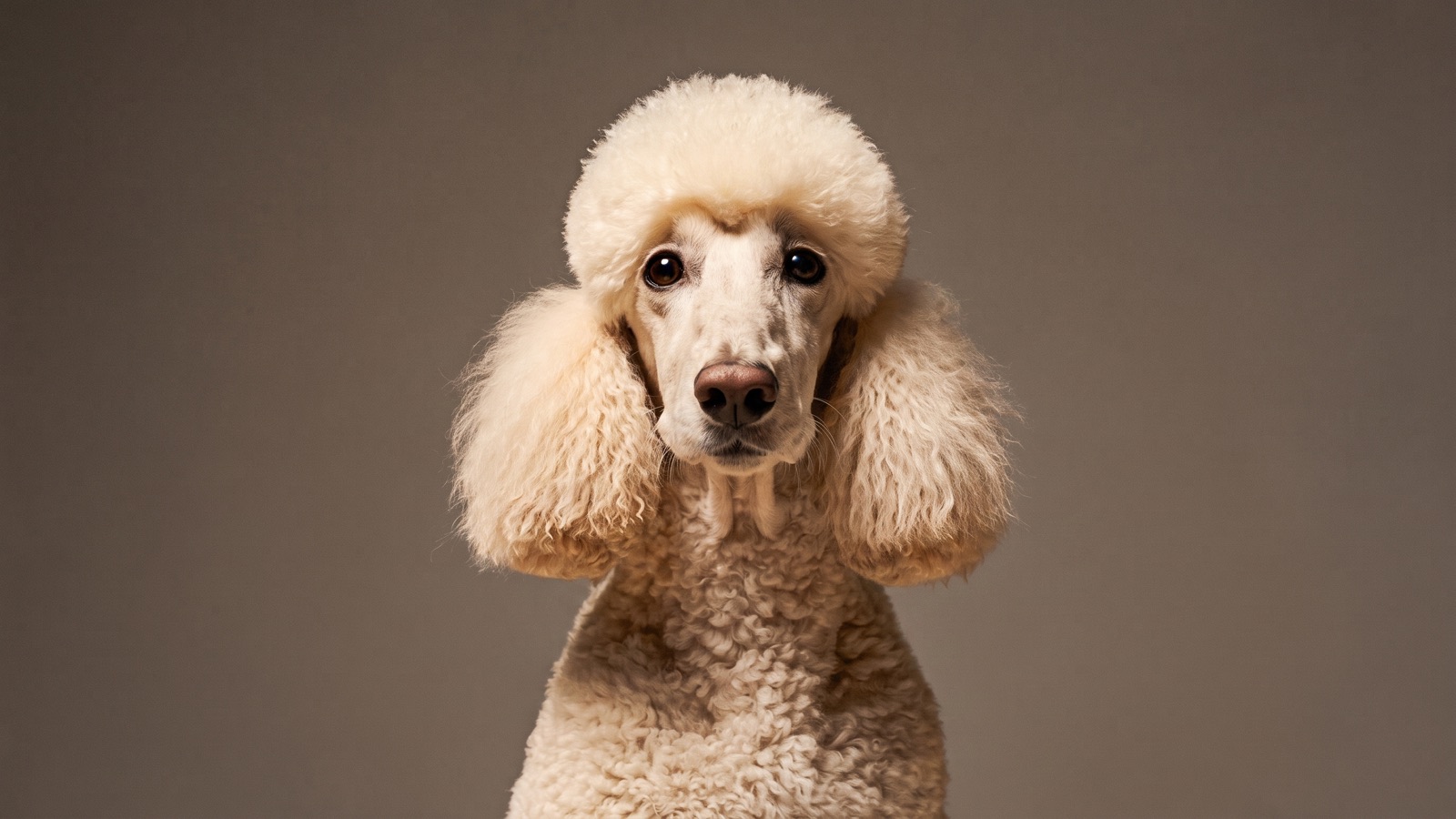
How Healthy Skin Starts With Proper Dog Grooming
Discover how grooming can alleviate your dog's itchiness and support skin health at Dapper Doodle Grooming in Springfield.

Why Grooming Matters for Itchy Dogs: A Gentle Guide to Skin Health
If your dog is scratching more than usual, licking paws, or rubbing against the furniture, you’re not alone. Itchiness is one of the most common reasons dog parents reach out to groomers and veterinarians. The good news: thoughtful, consistent grooming can play a big role in supporting skin health, reducing everyday itch triggers, and helping your dog feel comfortable again.
At Dapper Doodle Grooming in Springfield, MO, we believe grooming is more than a “spa day”—it’s a wellness routine that supports your dog’s skin, coat, and overall comfort. This guide walks you through how professional dog grooming and smart at-home care work together to combat itchiness in a safe, low-stress way.
How Grooming Supports a Healthy, Comfortable Coat and Skin
Healthy skin is the foundation of a healthy coat. When skin is balanced and clean—not too dry, not too oily—your dog’s coat can do its job: regulate body temperature, protect against the elements, and shield delicate skin from friction and environmental irritants.
Professional grooming helps maintain that balance by:
- Removing dirt, pollen, and dander that can build up and irritate skin.
- De-shedding and detangling to prevent matting that tugs at skin and traps moisture and debris.
- Using pH-balanced products designed for dogs to cleanse without stripping natural oils.
- Drying thoroughly to reduce excess moisture that can lead to itchiness.
- Trimming nails so your dog isn’t scratching their skin or changing their gait, which can lead to paw licking.
- Checking ears, paws, and skin for early signs of irritation, so you can address concerns promptly with your veterinarian if needed.
Common Everyday Itch Triggers Grooming Can Help Manage
There are many reasons a dog might feel itchy. While medical issues require veterinary care, grooming can help minimize common, non-medical triggers and keep skin calmer between vet visits.
Buildup on the Skin and Coat
Dust, pollen, and everyday grime cling to fur and sit on the skin surface, especially during high-allergen seasons. Regular brushing and bathing help remove this buildup, reducing irritation and the urge to scratch.
Matting and Impacted Undercoat
Mats aren’t just cosmetic—they pull on the skin, trap moisture, and can hide redness or sensitivity. Impacted undercoat (loose under-fur that doesn’t shed out) can also clog airflow and cause itchiness. Gentle line-brushing and professional de-shedding treatments help keep the skin comfortable and able to “breathe.”
Dryness from Overbathing or Harsh Products
Bathing too frequently or using human shampoos can strip natural oils, leading to dry, flaky skin and itchiness. Dog-specific, pH-balanced products and a sensible schedule help protect the skin barrier.
Moisture Trapped in the Coat
If a dog’s coat isn’t thoroughly dried after a bath or a swim, lingering moisture can lead to irritation. Professional blow-drying (on appropriate, comfortable settings) helps keep skin calmer.
Paw and Ear Irritation
Pollen and debris collect on paws and around the ears. Gentle, routine cleaning keeps these sensitive areas comfortable and can reduce licking and scratching.
Springfield, MO Seasonality: Why Itchy Dogs Need a Plan
Here in the Ozarks, our dogs experience humid summers, seasonal pollen, and plenty of outdoor adventure—great for enrichment, but sometimes tough on sensitive skin. A year-round grooming plan helps you adjust care to what the season brings:
- Spring: High pollen and shedding season—focus on frequent brushing, de-shedding, and rinsing off after outdoor play when needed.
- Summer: Heat and humidity—keep coats free of mats, dry thoroughly after water fun, and consider shorter maintenance trims (not necessarily a shave) appropriate for your dog’s coat type.
- Fall: Leaves and dust—regular brushing and baths help remove debris; maintain nail trims for all those hikes.
- Winter: Dry indoor air—space out baths and use moisturizing, dog-safe conditioners as recommended by your groomer.
At-Home Care for Itchy Dogs: Simple, Skin-Friendly Steps
Consistent home care supports everything we do in the salon. Here’s how to help keep your dog’s skin comfortable between professional visits.
1) Brush the Right Way for Your Dog’s Coat
- Smooth and short coats: A soft-bristle brush or grooming mitt several times a week to remove loose hair and surface debris.
- Double coats (e.g., many spitz or retriever types): A slicker brush and undercoat rake 2–4 times a week during shedding seasons; weekly in off-seasons.
- Curly or wavy coats: Gentle line-brushing with a slicker and comb to the skin in small sections 3–5 times a week to prevent matting.
- Silky, long coats: Daily light brushing and frequent comb checks behind ears, under arms, and around the collar area where mats start.
Tip: Work in short, calm sessions and reward with treats. If you hit a snag, don’t yank. Hold the hair above the tangle to protect the skin and work slowly, or let a pro handle heavy matting to keep your dog comfortable and safe.
2) Bathe Smart—Not Just Often
- Frequency: Most dogs do well with baths every 4–8 weeks. More active or allergy-prone dogs may benefit from more frequent rinses or hypoallergenic baths, while very dry skin may need fewer baths. Ask your groomer for a personalized schedule.
- Product choice: Use a gentle, fragrance-free, dog-safe shampoo. Avoid human products. If your vet has prescribed a medicated shampoo, follow their directions.
- Water temperature: Lukewarm is best. Hot water can dry out skin.
- Rinse, rinse, rinse: Residue is a common cause of itchiness. Rinse until the water runs completely clear.
- Conditioner counts: A dog-safe, light conditioner can help protect the skin barrier and reduce post-bath itch for many dogs.
3) Dry Thoroughly
Use a towel first, then a pet-safe dryer on a comfortable, cool-to-warm setting. Keep the dryer moving, and never aim hot air at the skin. Make sure armpits, belly, and behind the ears are fully dry—these are common “itchy” spots if moisture lingers.
4) Nails, Paws, and Pads
- Nails: Trim every 2–4 weeks. Overgrown nails can make scratching more damaging and may change posture, leading to licking or discomfort.
- Paw checks: After outdoor time, wipe paws to remove pollen and grit. Inspect for tiny burrs, grass awns, or stuck debris between toes.
- Paw balm: A dog-safe balm (used sparingly) can protect pads from dryness. Avoid anything strongly scented on sensitive skin.
5) Ears
Wipe the outer ear with a dog-safe ear cleaner and cotton pad as recommended for your dog’s needs. Never insert cotton swabs into the ear canal. If you notice redness, a strong odor, discharge, or head shaking, pause cleaning and call your veterinarian.
Professional Grooming for Itchy Dogs: What to Expect
In the salon, our priority is comfort. For dogs dealing with itchiness, we tailor services to reduce irritation and keep sessions calm and positive.
- Gentle, low-stress handling: A quiet approach, rest breaks as needed, and clear canine body language reading help keep stress—and stress scratching—at bay.
- Coat and skin assessment: We note dry patches, mats, or sensitivity and adjust techniques and products accordingly. If we spot something that needs veterinary attention, we’ll let you know.
- Dog baths and blowouts: Thorough cleansing and careful drying help remove allergens and reduce moisture trapped next to the skin.
- De-shedding treatments: For double-coated dogs, professional de-shedding removes loose undercoat that can trap heat and irritants.
- Haircuts and tidy-ups: Strategic trimming around friction areas (collar line, armpits, sanitary zones) can reduce tugging and keep skin comfortable.
- Puppy introductions: Early, positive grooming experiences help puppies accept handling and reduce stress-related scratching later in life.
- Senior dog grooming: Extra time, supportive holds, and non-slip mats help older pups feel safe and comfortable while we keep their skin and coat in good shape.
Every dog is unique. Our groomers create a plan that fits your dog’s coat type, lifestyle, and sensitivity level.
Puppies and Seniors: Special Considerations for Sensitive Skin
Puppy Grooming
Puppy skin can be delicate. Short, positive sessions with plenty of praise help build confidence while we introduce gentle brushing, a quick bath, quiet drying, and nail trims. The earlier we create these low-stress associations, the easier it is to maintain skin health for life.
Senior Dog Grooming
Senior dogs often have thinner, drier skin and may be more sensitive to touch or temperature changes. We prioritize comfort: lukewarm water, cushioned surfaces, and unrushed handling. More frequent light tidy-ups can be kinder than infrequent, lengthy sessions.
When to Call Your Veterinarian
Grooming helps with many day-to-day itch triggers, but some signs suggest it’s time for a medical check:
- Persistent scratching, licking, or chewing that doesn’t improve with grooming adjustments
- Redness, sores, hair loss, scabs, or strong odors
- Ear discharge, head shaking, or sudden sensitivity to touch
- New bumps, hot spots, or significant changes in skin or coat
We’re happy to share what we observe during appointments and can coordinate care with your vet as needed.
A Sample Anti-Itch Grooming Routine
Here’s a simple, realistic framework many dog parents in Springfield find helpful. Adjust to your dog’s coat type and sensitivity:
- Daily: Quick paw and belly wipe after outdoor time (especially in high-pollen seasons). Check common mat zones: behind ears, armpits, tail base.
- 2–5 times weekly: Brush thoroughly based on coat type. For heavy shedders during seasonal shifts, increase frequency.
- Every 4–8 weeks: Professional bath and blowout. Add de-shedding during peak shedding seasons. Schedule tidy trims where friction occurs.
- Every 2–4 weeks: Nail trim and ear check/cleaning as needed.
- Seasonally: Adjust frequency up in spring and early fall when shedding and allergens spike.
If your dog is still itchy on this plan, bring notes to your next appointment. We’ll help fine-tune the schedule or suggest a veterinary consult if we see signs that need medical attention.
Gentle, Dog-First Care at Dapper Doodle Grooming
Itchy skin can make dogs feel restless and uncomfortable, and it can be stressful for you to watch. Our team focuses on calm, compassionate care and thoughtful techniques that support skin health at every visit. From thorough yet gentle cleansing to strategic de-shedding and careful drying, we build comfort into each step.
If you’re new to us, you can learn more and get in touch through our website: Dapper Doodle Grooming in Springfield, MO. We’re conveniently located at 1929 E Independence St, Springfield, MO 65804, and you can reach us at (417) 496-1588.
FAQs: Itchy Dogs and Grooming
Will shaving my dog stop the itch?
Often, no. Shaving many coat types can disrupt the coat’s natural protection and may even irritate the skin. Instead, focus on regular brushing, mat prevention, appropriate bathing, and targeted trims where friction occurs. Ask your groomer what’s best for your dog’s specific coat.
How often should an itchy dog get a bath?
It depends on your dog’s skin, coat type, and lifestyle. Many itchy dogs feel better with regular, gentle baths every 3–6 weeks, using a mild, dog-safe shampoo and thorough rinsing. Your groomer can help you personalize frequency.
My dog licks their paws nonstop—can grooming help?
Yes. Wiping paws after outdoor time, trimming nails, and keeping fur between pads tidy can reduce irritation. If licking persists or paws look red or inflamed, consult your veterinarian.
What products are best for sensitive skin?
We recommend pH-balanced, fragrance-free dog shampoos and lightweight conditioners. If your veterinarian prescribes a medicated product, follow their directions and let your groomer know so we can adjust accordingly.
Can de-shedding help with itchiness?
For double-coated dogs, absolutely. Removing loose undercoat reduces heat, moisture, and debris trapped next to the skin, which can lessen everyday itch triggers.
Ready to Help Your Dog Feel Better?
Itchiness can have many causes, but a thoughtful grooming routine is a powerful, dog-friendly way to support skin health. Whether you need a gentle puppy introduction, a senior-friendly tidy-up, or a full-service bath, blowout, and de-shedding treatment, we’re here to help your dog feel clean, comfortable, and cared for.
- Learn more or get in touch: Visit Dapper Doodle Grooming
- Call us: (417) 496-1588
- Visit the salon: 1929 E Independence St, Springfield, MO 65804
From puppies to seniors, from light shedding to heavy matting, our calm, professional approach is designed to keep your dog’s skin healthy and their tail wagging. We look forward to seeing you—and helping your itchy pup find some relief—in Springfield, Missouri.