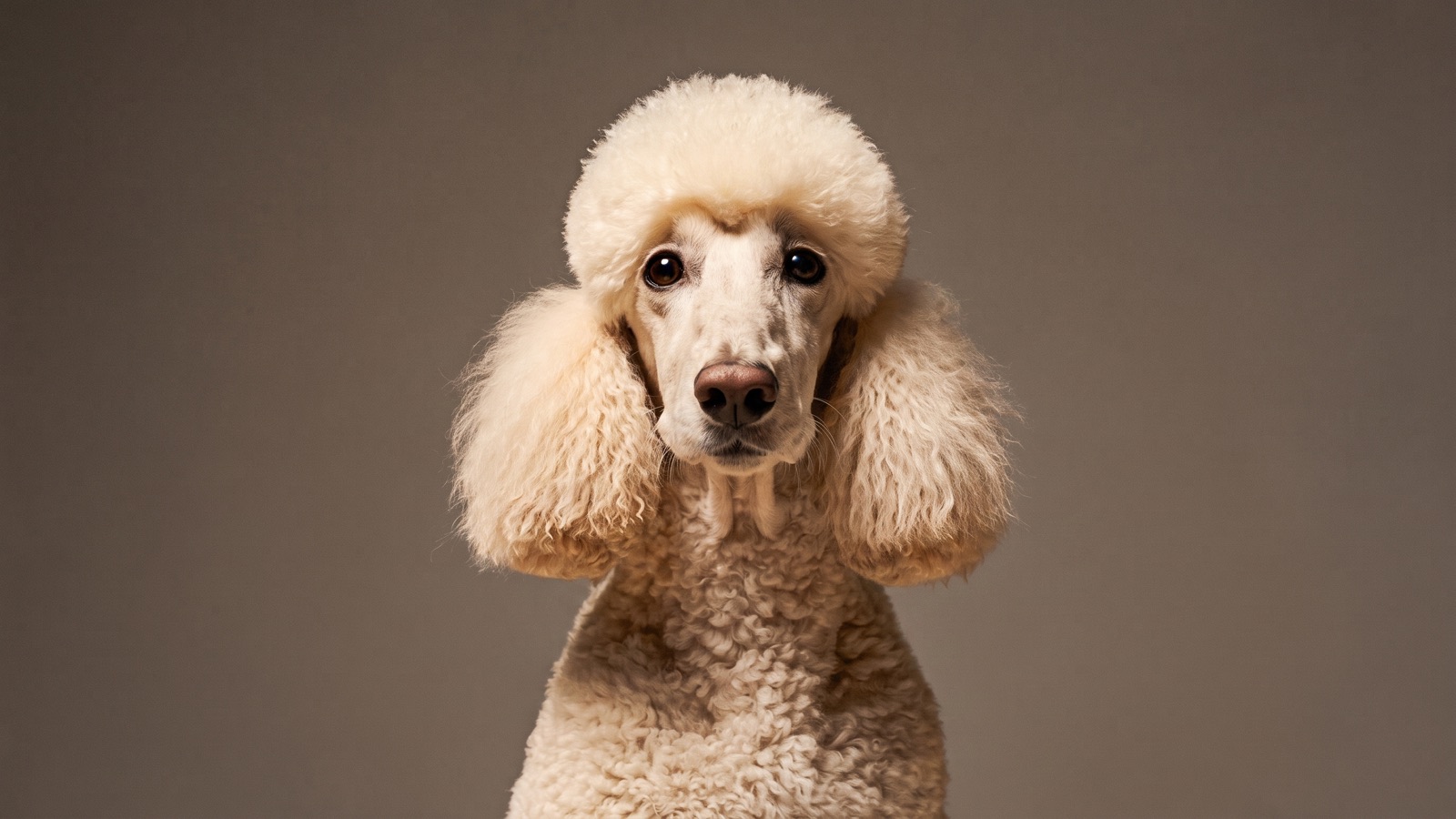
How Professional Grooming Improves Coat Color, Texture, and Shine
A glossy, touchably soft coat isn’t just beautiful—it’s a sign your dog’s skin is happy and healthy.
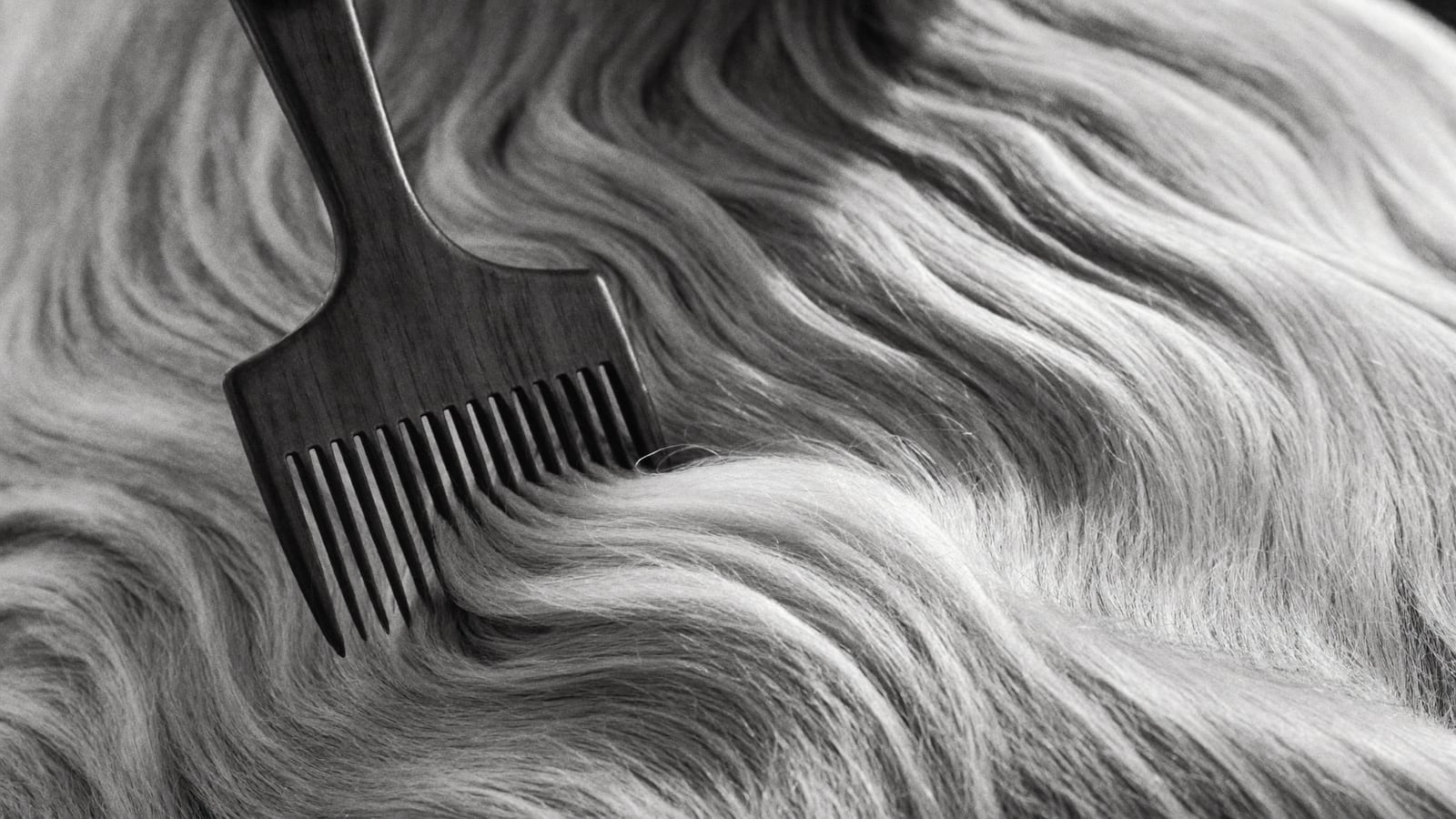
The Science and Technique Behind a Healthy, Vibrant Dog Coat
A glossy, touchably soft coat isn’t just beautiful—it’s a sign your dog’s skin is happy and healthy. At Dapper Doodle Grooming in Springfield, MO, we take a dog-first, science-informed approach to coat care so every bath, blowout, trim, or de-shedding treatment supports long-term skin health. If you’ve ever wondered why some coats gleam while others look dull (even with regular baths), this guide breaks down the biology behind shine—and the practical techniques that keep it glowing.
The Biology Behind Shine: Skin, Hair, and the Protective Barrier
Coat health starts with skin health. Your dog’s skin is a living organ with a protective “acid mantle,” natural oils (sebum), and a delicate microbiome. When the barrier is balanced, your dog’s skin holds moisture, resists irritants, and produces a coat that reflects light.
- Hair structure matters: Each strand of hair has an outer cuticle made of overlapping scales. When these scales lie flat (think shingles on a roof), light bounces off smoothly and the coat looks shiny. Rough, lifted cuticles scatter light—creating a dull, frizzy look.
- Sebum = natural conditioner: Tiny glands along the hair follicle release oils that lubricate hair shafts and protect skin. Overbathing, harsh products, or incomplete rinsing can disrupt this balance.
- Growth cycles affect shedding: Hair goes through anagen (growth), catagen (transition), and telogen (rest). Double-coated dogs shed undercoat seasonally, while many curly or continuously growing coats shed minimally and require regular trims to prevent matting.
- Single vs. double coat: Double-coated dogs (like many shepherds, huskies, and spitz breeds) have a soft, insulating undercoat plus protective guard hairs. Smooth-coated dogs rely on bristle brushing and regular baths for shine. Curly and wavy coats trap loose hair within curls and need routine brushing to prevent tangles.
What Dulls a Coat—And How to Fix It
Most “dullness” comes from one or more of these disruptors:
- Lifted cuticles and product residue: Incomplete rinsing or heavy, perfumed formulas can leave buildup that roughens the cuticle. Thorough rinsing and pH-appropriate, dog-specific shampoos help keep cuticles smooth.
- Dehydration and dry air: Low humidity and infrequent conditioning can leave hair brittle. Conditioning after shampooing—and brushing during blow-dry—helps seal moisture into the hair shaft.
- Matting and friction zones: Mats diffuse light and pull at the skin. Common hotspots: behind ears, under collars and harnesses, armpits, tail base, and feathering. Routine detangling in these zones maintains luster and comfort.
- Imbalanced grooming schedule: Too-frequent baths with harsh cleansers strip oils; too-infrequent brushing lets debris and loose undercoat build up. Striking the right cadence is key.
- Nutrition: A balanced diet with quality protein and essential fatty acids supports healthy skin and hair from within. Ask your veterinarian about diet if you’re noticing persistent dryness or excessive shedding.
Brushing: The Daily Science in Your Hands
Brushing does much more than remove loose hair—it distributes natural oils, aligns cuticles, and prevents tangles, all of which amplify shine. The right tools and technique make the difference.
Choose the right tool for your dog’s coat type
- Smooth/short coats: Rubber curry or grooming mitt for loosening dead hair; soft bristle brush to polish.
- Double coats: Undercoat rake and slicker brush to lift dead undercoat; wide-tooth comb to check for snags.
- Curly/wavy coats (poodles, doodles, bichons): Flexible or cushioned slicker for curls; stainless-steel comb to verify tangle-free roots-to-ends.
- Silky long coats: Pin brush with rounded tips and a finishing comb; light detangling spray for slip.
- Wire coats: Slicker for maintenance; some breeds are traditionally hand-stripped by trained professionals to preserve coat texture.
Line brushing: simple technique, big results
- Lightly mist the coat with a dog-safe conditioning or detangling spray to reduce static and friction.
- Work in small sections from the skin outward. Use one hand to gently lift hair, the other to brush underneath that “line.”
- Support the skin by holding hair close to the base when tackling tangles. This prevents painful pulling.
- Brush until the section moves freely, then confirm with a comb all the way to the skin. If the comb snags, keep brushing that area.
- Finish with a once-over in the direction of coat growth to lay cuticles flat for extra shine.
How often should you brush?
- Smooth/short coats: 2–3 times weekly to remove dander and distribute oils.
- Double coats: 2–4 times weekly; daily during seasonal sheds.
- Curly/wavy and long coats: 4–7 times weekly, especially in friction zones. Professional grooming every 4–8 weeks prevents matting.
Bathing for Brilliance: Product Choice, Process, and Rinse
Bath time is chemistry in action. Thoughtful preparation and rinsing prevent residue and support skin balance.
- Pre-bath brush out: Removing tangles first prevents mats from tightening under water and shampoo.
- Use dog-specific, pH-appropriate shampoos: Dog skin is more neutral than human skin. Gentle formulas help protect the acid mantle.
- Water temperature: Lukewarm. Hot water can strip oils and irritate skin.
- Dilution and contact time: Lather diluted shampoo evenly for a few minutes so surfactants can lift debris without scrubbing harshly.
- Rinse, then rinse again: Keep rinsing until water runs completely clear and hair feels squeaky-free yet supple. Residue dulls shine and can itch.
- Condition correctly: Apply a light conditioner to mid-lengths and ends or as recommended for your dog’s coat type. Comb through, let it sit briefly, then rinse thoroughly.
- Towel blot—don’t rub: Rubbing can roughen cuticles and cause frizz or tangles.
- Dry with purpose: Use a cool to gently warm air stream while brushing to align hair as it dries. For double coats, a high-velocity dryer (used safely and calmly) lifts dead undercoat and speeds drying.
De-Shedding vs. De-Matting: Two Different Jobs
Both shedding and matting affect shine, but they’re addressed differently.
De-shedding (double coats and heavy shedders)
- Goal: Remove released undercoat while preserving healthy guard hairs that insulate and protect.
- Techniques: Undercoat rakes, carding with appropriate tools, and controlled use of a high-velocity dryer to lift and blow out loose undercoat.
- Why not shave double coats: Shaving can disrupt insulation, expose skin to sun, and may lead to uneven regrowth. Regular de-shedding and proper blowouts are the coat-friendly path.
De-matting (curly, wavy, long, and friction-prone areas)
- Identify mats safely: If a comb can’t pass to the skin, there’s a tangle. Tight mats can trap moisture and debris against skin.
- Gentle approach: Mist with detangling spray, hold hair near the base, use a slicker or mat splitter carefully, and work in small sections.
- Know when to reset: When mats are tight to the skin or body-wide, a compassionate, shorter trim is the most humane option. Comfort comes first—and hair grows back.
Puppy and Senior Coats: Special Considerations
Puppies
- Puppy coat changes: Many puppies transition from soft puppy fluff to their adult texture between several months to over a year, depending on breed. During this phase, tangles can increase—gentle, frequent brushing helps.
- Early introductions: Short, positive grooming sessions (handling paws, ears, and tail; light brushing; gentle dryer noise) set puppies up for a lifetime of low-stress care.
Senior dogs
- Softer approach: Aging skin can be thinner and drier. Choose mild shampoos, thorough conditioning, and take breaks during grooming.
- Comfort-driven scheduling: Slightly shorter, more frequent sessions can keep coats fresh without fatigue.
Nutrition, Lifestyle, and Environment
- Balanced diet: Quality protein plus omega-3 and omega-6 fatty acids supports supple skin and resilient hair. Discuss any diet adjustments with your veterinarian.
- Hydration: Adequate water intake helps maintain healthy skin elasticity.
- Clean, low-friction living: Wash bedding regularly; brush out after swims; check under collars and harnesses; and ensure gear fits comfortably to reduce mat-prone friction.
- Seasonal care: During peak sheds, add extra brushing and controlled blowouts. In winter’s dry air, condition a bit more and keep baths lukewarm.
Professional Grooming: Precision, Products, and a Calmer Experience
Great at-home habits set the foundation. Professional grooming adds specialized tools, coat-specific products, and refined techniques—especially for thick undercoats, dense curls, or sensitive skin.
- Coat mapping and assessment: Pros evaluate density, texture, and friction zones to tailor brushes, products, and drying methods.
- High-velocity drying with control: When used calmly and correctly, it removes dead hair efficiently and sets coats smooth for high shine.
- Breed-specific trims and sanitary care: Clean lines and well-kept hygiene areas keep dogs comfy and reduce future tangles.
- Calm, low-stress handling: A thoughtful pace, gentle holds, and positive reinforcement help dogs enjoy grooming.
If you’d like guidance that’s customized to your dog’s coat type, our friendly team at Dapper Doodle Grooming is here to help with full-service dog grooming, de-shedding treatments, puppy introductions, and senior dog grooming—all with a dog-first, low-stress approach in Springfield, Missouri.
Quick Reference: Routines by Coat Type
Smooth/short coats (e.g., many hounds, boxers)
- Brush with a rubber curry or grooming mitt 2–3x/week; finish with a soft bristle brush to polish.
- Bath every 4–8 weeks, depending on activity and skin needs; condition lightly as needed.
- Wipe down after outdoor adventures to remove pollen and dust.
Double coats (e.g., shepherds, huskies, many spitz breeds)
- Brush 2–4x/week; daily during seasonal sheds.
- Use undercoat rakes and wide combs; avoid shaving healthy double coats.
- Professional de-shedding and blowouts every 6–12 weeks, adjusted seasonally.
Curly and wavy coats (e.g., poodles, doodles, bichons)
- Line brush 4–7x/week; check with a comb to the skin.
- Schedule professional grooming every 4–8 weeks for trims and coat resets.
- Condition after shampoo and brush while drying to keep curls separated and smooth.
Silky long coats (e.g., some spaniels, yorkies)
- Daily gentle brushing with a pin brush and comb; focus on ears, chest, and leg feathering.
- Light detangling spray to minimize breakage and static.
- Regular trims to manage length and prevent split ends.
Wire coats (e.g., some terriers)
- Routine brushing and combing to prevent packed undercoat.
- Many breeds benefit from hand stripping performed by trained professionals to maintain texture and color.
Technique Tips That Boost Shine Immediately
- Comb test after brushing: Your coat care is only complete when a comb glides from skin to tip.
- Brush as you dry: Airflow plus brushing flattens cuticles and adds light-reflecting smoothness.
- Mind the rinse: Residue hides in dense areas like armpits, groin, and under ear flaps. Rinse until water runs clear.
- Protect friction zones: Remove collars during naps and brush behind ears and in armpits more frequently.
- Keep nails and paw hair tidy: Comfortable movement reduces friction and tangles caused by altered gait or dragging feet.
When to Call Your Veterinarian
Grooming supports skin health, but it isn’t a substitute for medical care. If you notice persistent itching, sudden hair loss, strong odor, sores, or your dog seems uncomfortable, consult your veterinarian. Professional groomers can often spot early changes, but diagnosis and treatment are veterinary matters.
Springfield, MO Dog Parents: We’re Here to Help
Shiny coats aren’t a mystery—they’re the result of kind handling, smart technique, and consistent care. Whether your dog sports a plush double coat, a cloud of curls, or a sleek, smooth jacket, our team can tailor a grooming plan that keeps their skin calm and their coat vibrant. If you’re in or near Springfield, Missouri, we welcome you to visit us at Dapper Doodle Grooming, 1929 E Independence St, Springfield, MO 65804, or give us a call at (417) 496-1588.
Ready for a calm, professional, dog-first grooming experience? Learn more and get in touch at Dapper Doodle Grooming.
In a Nutshell: The Shine Formula
- Healthy skin comes first—gentle, dog-specific products and balanced schedules keep the barrier happy.
- Regular, coat-appropriate brushing distributes oils and aligns cuticles.
- Thoughtful bathing and thorough rinsing prevent buildup and dullness.
- Smart de-shedding and humane de-matting protect both comfort and coat quality.
- Professional grooming adds precision, advanced tools, and a low-stress experience.
With the right science and technique on your side, your dog’s natural brilliance will shine through—comfortably and consistently.