The Importance of Skin & Coat Assessments During Grooming
Every great haircut starts with a great assessment. At Dapper Doodle Grooming in Springfield, Missouri, we believe the real magic of professional dog…
The Groomer’s Eye: Professional Assessment Practices and Why They Matter for Your Dog’s Long‑Term Health
Every great haircut starts with a great assessment. At Dapper Doodle Grooming in Springfield, Missouri, we believe the real magic of professional dog grooming happens long before the scissors, shampoo, or dryer come out. It begins with a calm, nose‑to‑tail evaluation designed to understand your dog’s coat, skin, comfort, and overall well‑being—so we can tailor the grooming experience and support your dog’s long‑term health.
In this guide, we’ll walk you through what a professional grooming assessment includes, why it matters, and how our calm, dog‑first approach helps puppies, adults, and senior dogs feel their best—today and over the years.
What Is a Professional Grooming Assessment?
A professional grooming assessment is a structured, compassionate check‑in that happens at the start of every appointment. It’s how we get the full picture of your dog’s needs before we bathe, brush, clip, or trim. Think of it as your dog’s “wellness briefing” for the grooming table.
At Dapper Doodle Grooming, a typical assessment includes:
- Intake conversation with you: Recent lifestyle changes, skin or coat concerns, itchiness, scratching, shedding, matting, paw licking, sensitivity to tools or drying, and your style goals.
- Coat and skin review: Coat type, texture, density, mats or tangles, seasonal shedding, dandruff, hot spots, redness, dryness, or signs of irritation.
- Ears and eyes check: Cleanliness, odor, discharge, tear staining, or visible irritation that could need attention or a veterinary follow‑up.
- Paws and nails: Nail length, cracked nails, dewclaws, dry pads, overgrown fur between pads that can impact traction.
- Hygiene areas: Sanitary areas under the tail and around the belly for cleanliness and irritation.
- Teeth and breath observation: General breath odor and visible tartar on the front teeth, noted only for your awareness. We do not perform dental care and always recommend a veterinarian for dental concerns.
- Gait, posture, and flexibility: How your dog moves and stands, which helps us set up a comfortable, low‑stress grooming plan—especially for seniors or dogs with mobility changes.
- Behavior and stress cues: Body language, sensitivity to touch, and tolerance for tools so we can pace the session accordingly and keep your dog comfortable.
This assessment shapes everything: the bath temperature, product choices, brushing tools, dryer settings, scheduling breaks, and haircut strategy. It also creates a useful record over time, helping us spot small changes early.
Why Grooming Assessments Matter for Long‑Term Health
While grooming is about looking great, it’s also a powerful part of whole‑dog wellness. Regular, professional assessments help with:
- Early detection: Subtle changes—like new lumps, new hot spots, or sudden coat thinning—often show up first during hands‑on grooming. We don’t diagnose conditions, but we’ll note what we see and recommend a vet visit when appropriate.
- Skin and coat health: Matching shampoos, conditioners, and brushing techniques to your dog’s coat type reduces irritation, matting, and dryness. Healthy skin supports a healthy coat.
- Comfort and mobility: Proper nail length, tidy paw pads, and mat‑free coat make walking and stretching more comfortable, especially for active and senior dogs.
- Hygiene and infection prevention: Clean ears, sanitary trims, and appropriate drying help minimize conditions that thrive in moisture or debris.
- Stress reduction: A groomer who truly “reads” your dog can pace the session, choose gentler tools, and provide breaks—building trust and making future grooming easier.
- Customized maintenance plans: With consistent assessments, we can suggest the ideal schedule and at‑home care for your dog’s coat type and lifestyle.
Key Checkpoints We Review at Every Appointment
Here’s a closer look at what our groomers at Dapper Doodle Grooming evaluate and why it matters.
1) Coat Condition and Type
- What we look for: Coat type (curly, wiry, double, smooth), density, shedding level, mats, tangles, dryness, or oily buildup.
- Why it matters: The right tools and products protect skin, prevent breakage, and keep coats manageable. For example, double‑coated breeds benefit from de‑shedding strategies that lift undercoat without stripping guard hairs.
2) Skin Health
- What we look for: Redness, dandruff, scabs, hot spots, odors, unusual bumps, or areas your dog guards when touched.
- Why it matters: Catching irritation early helps prevent worse matting or discomfort. We’ll always share observations and recommend your veterinarian if something needs medical evaluation.
3) Ears
- What we look for: Odor, debris, discharge, redness, or sensitivity.
- Why it matters: Ears can trap moisture and debris. Clean, dry ear flaps and surrounding fur support comfort. If we notice signs of a possible infection, we’ll pause and advise a vet visit.
4) Eyes
- What we look for: Tear staining on light coats, crust buildup, redness, or cloudiness.
- Why it matters: Gentle cleaning around the eyes improves comfort and helps you monitor changes; some eye concerns require veterinary care.
5) Nails and Paws
- What we look for: Nail length, split or brittle nails, dewclaws, and fur between pads.
- Why it matters: Nails that are too long can change posture and stride; tidy pads improve traction on slick floors and support joint comfort.
6) Sanitary and Hygiene Areas
- What we look for: Matted fur, trapped debris, or irritation under the tail and around the belly.
- Why it matters: Clean, trimmed areas help prevent matting and keep skin comfortable between grooms.
7) Breath and Visible Teeth Surface
- What we look for: Noticeable breath odor and visible tartar on front teeth.
- Why it matters: Changes can signal it’s time for a veterinary dental checkup. We do not provide dental services, but we’ll always share observations with you.
8) Gait and Mobility
- What we look for: Hesitation jumping onto the table, stiffness when standing, or sensitivity in hips, shoulders, or wrists.
- Why it matters: We adjust handling, take more breaks, and select positions that minimize strain—especially helpful for seniors and dogs returning from injury with veterinary guidance.
9) Behavior, Stress, and Sensory Preferences
- What we look for: Relaxed vs. tense body language, sensitivity to dryers or clippers, and preferred pace.
- Why it matters: Stress can impact skin, breathing, and overall experience. Our calm, low‑stress approach keeps grooming safer and more positive for your dog.
Special Focus: Puppies and Senior Dogs
Puppy Grooming: Building Positive Associations
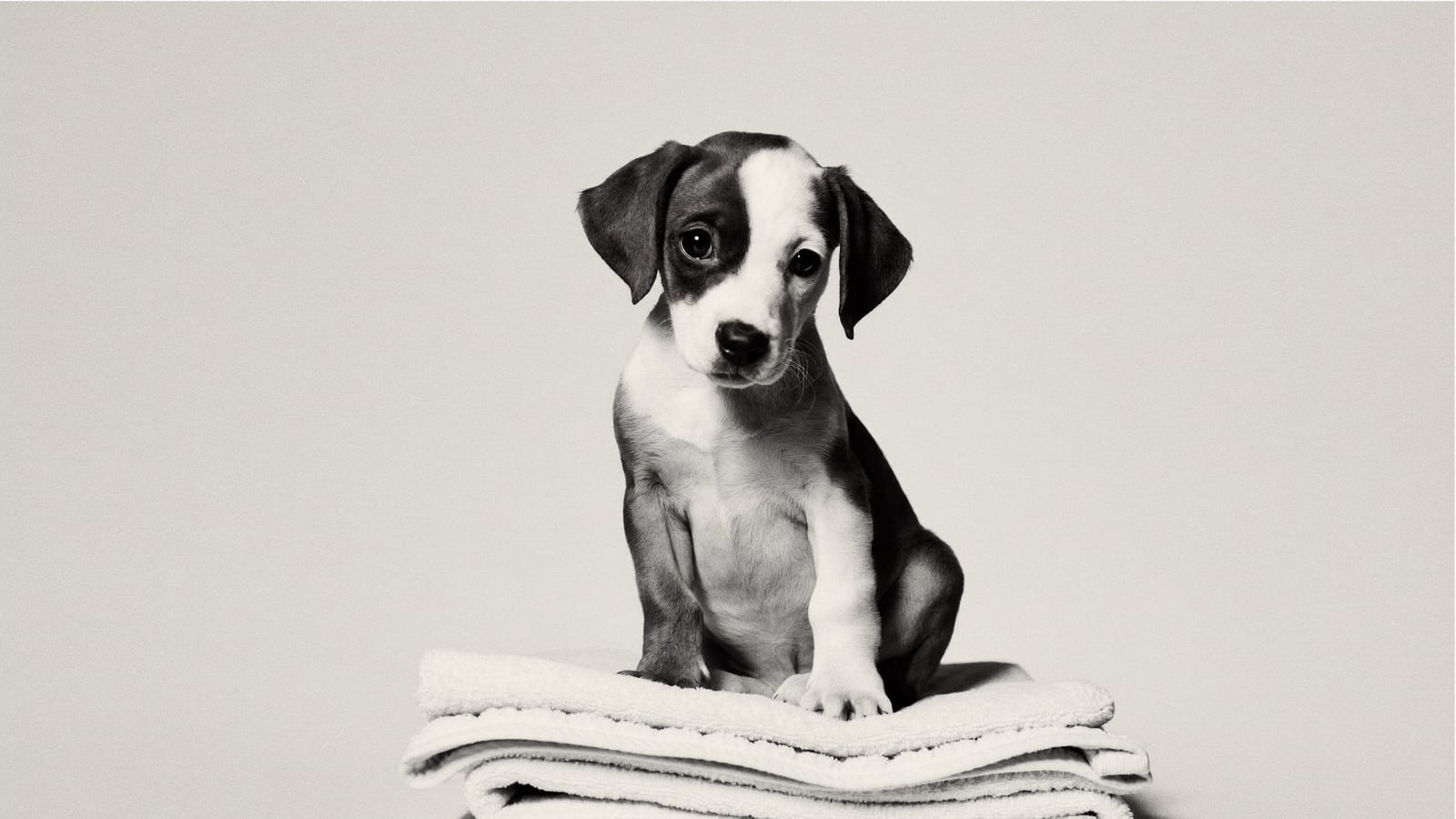
Early, gentle introductions make lifelong grooming easier. For puppies, assessments focus on creating trust and celebrating small wins.
- Short, positive sessions with lots of praise
- Low‑noise tools and light touch while we desensitize to brushes, clippers, and dryers
- Age‑appropriate coat care and simple hygiene trims to prevent mats
- Guidance for home brushing and combing so your puppy stays comfortable between grooms
A calm, consistent grooming routine turns “new and scary” into “familiar and fun,” setting your puppy up for a lifetime of stress‑free care.
Senior Dog Grooming: Comfort Comes First
Senior dogs often need more time and thoughtful positioning. Our assessments help us plan for comfort and safety.
- Non‑slip surfaces and supportive handling to reduce fatigue
- More frequent nail trims for steady footing
- Warm water and low‑heat drying to protect sensitive skin
- Plenty of breaks, water, and a slower pace to reduce stress
These adjustments are simple but powerful for mobility, skin comfort, and overall well‑being.
Stress Reduction Is Part of Health
Grooming is as much about emotions as it is about technique. Our team reads your dog’s body language and adapts the plan to minimize stress. That might mean introducing tools gradually, grooming in shorter segments, or scheduling more frequent, lighter visits. A relaxed dog grooms more safely and builds positive momentum for the next session.
At‑Home Checks You Can Do Between Grooms
Professional assessments are most effective when paired with a simple at‑home routine. A quick weekly check helps you catch small changes early and keeps your dog comfortable between appointments.
- Coat and skin: Run a comb down to the skin behind ears, in armpits, and around the collar area. If the comb snags, start gentle detangling and schedule a groom.
- Ears: Look for redness or odor. Keep ears dry after baths or swimming. If irritation appears, contact your vet.
- Paws and nails: Listen for “click‑click” on hard floors. If you hear it, it’s time for a nail trim.
- Hygiene areas: Check for debris or matting. Keeping this area tidy prevents discomfort.
- Shedding: Increase brushing during spring and fall coat blows for double‑coated breeds.
- Behavior: Practice short, positive handling sessions with treats—touch paws, look in ears, and lift the tail so grooming feels familiar.
If you notice sudden changes—new lumps, open sores, unusual discharge, or discomfort—contact your veterinarian. We’re always here to share what we observe and collaborate on a plan that supports your dog.
How Often Should Your Dog Be Professionally Assessed?
Frequency depends on coat type, lifestyle, and your dog’s comfort needs. Here are general guidelines:
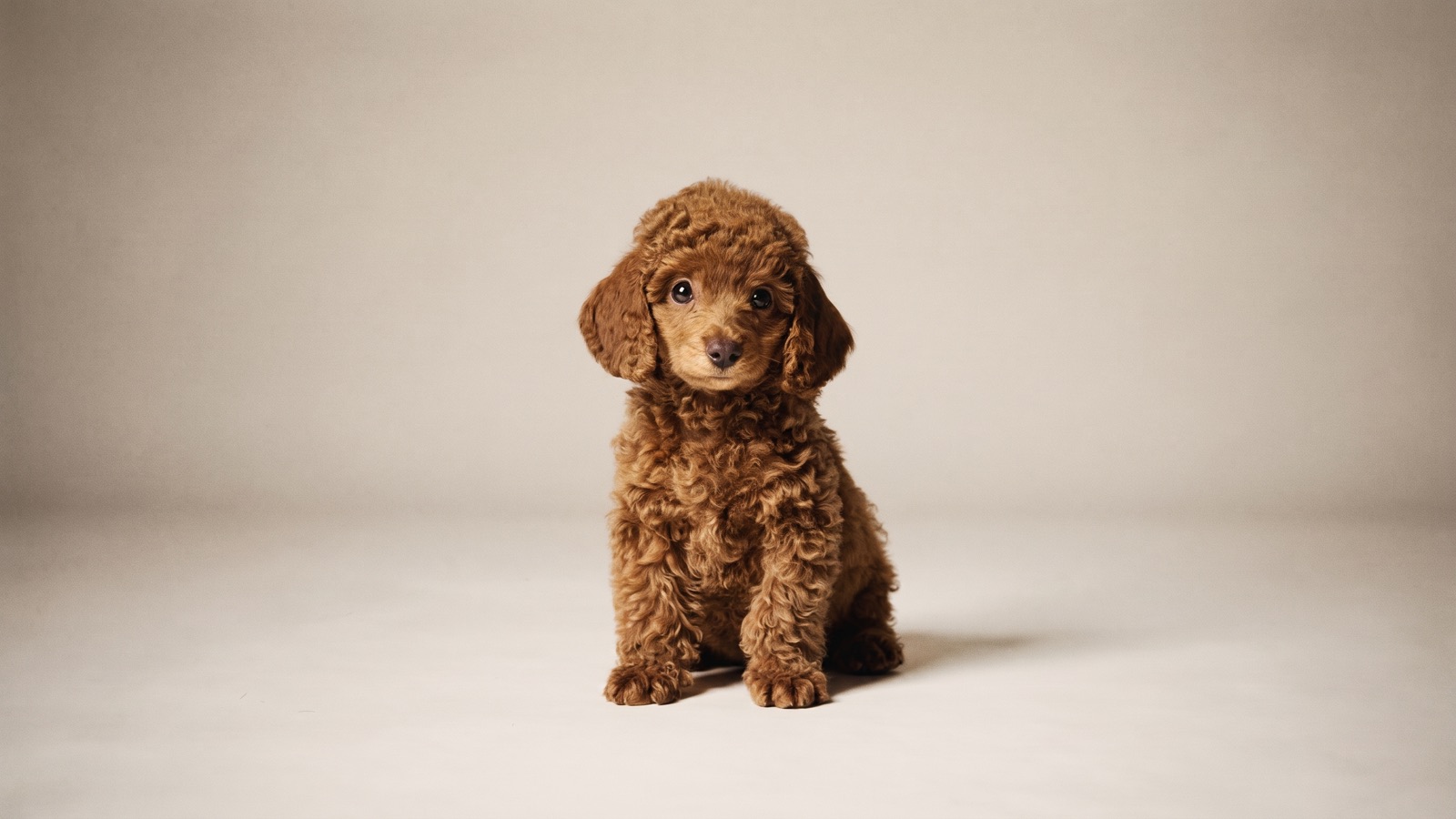
- Curly, wavy, and long coats (e.g., poodle mixes, spaniels): Every 4–6 weeks for full grooming; brushing/combing several times a week at home to prevent matting.
- Double‑coated breeds (e.g., shepherds, retrievers, spitz types): Bath, blowout, and de‑shedding every 4–8 weeks; extra sessions during seasonal shedding.
- Short/smooth coats (e.g., boxers, beagles): Bath and tidy every 6–10 weeks, with regular nail trims every 3–4 weeks.
- Puppies: Short introductory visits every 3–6 weeks to build trust and maintain hygiene.
- Seniors: Customized schedule based on mobility, skin sensitivity, and nail growth—often shorter, more frequent sessions.
These are starting points. We’ll personalize a plan after your dog’s assessment so grooming stays comfortable and sustainable year‑round.
What to Expect at Your First Visit
When you arrive at Dapper Doodle Grooming, we begin with a warm welcome and a calm environment. Here’s a quick overview of the experience:
- Thoughtful intake: We discuss goals, sensitivities, health history, and preferred style.
- Nose‑to‑tail assessment: A gentle evaluation of skin, coat, nails, ears, eyes, and mobility to tailor services.
- Customized grooming plan: Product choices, tools, dryer settings, breaks, and finishing touches selected for your dog.
- After‑groom feedback: A brief report of observations and at‑home care tips until your next visit.
We keep you informed, your dog comfortable, and the atmosphere relaxed from start to finish.
When a Groomer Recommends a Vet Visit
Groomers are an extra set of trained eyes—not a replacement for veterinary care. We will always suggest contacting your veterinarian if we notice:
- New or rapidly changing lumps or bumps
- Open sores, raw hot spots, or persistent redness
- Ear discharge with strong odor or visible discomfort
- Sudden coat thinning, bald patches, or unusual dandruff
- Significant pain responses during handling or changes in gait
- Heavy parasite presence or skin irritation that needs medical evaluation
Our goal is partnership: we keep your dog comfortable and clean, and we communicate openly so you and your vet have the information you need.
Professional Assessment in a Calm, Dog‑First Setting
A great grooming experience is built on trust, clear communication, and careful observation. Whether your dog needs a full‑service groom, a bath and blowout, a de‑shedding treatment, a puppy introduction, or senior‑friendly care, our assessments help us deliver the right support with a gentle touch.
Book a Calm, Thorough Assessment in Springfield, MO
If you’re looking for professional dog grooming in Springfield, MO that puts your dog’s comfort and long‑term health first, we’d love to meet you. Learn more about our dog‑first approach at Dapper Doodle Grooming, or reach out to schedule your visit.
Dapper Doodle Grooming
1929 E Independence St, Springfield, MO 65804
(417) 496-1588
From puppy grooming to senior dog grooming—and every stage in between—our calm assessments, gentle techniques, and thoughtful care help your dog look and feel their best, today and for the long run.