Top Mistakes to Avoid When Grooming Your Dog
Avoid common pitfalls with your pet's grooming. Learn the top mistakes to avoid when grooming your dog for best results.
Top Mistakes to Avoid When Grooming Your Dog
Grooming your dog at home can be a wonderful way to bond, stay on top of basic hygiene, and help your pup feel comfortable between professional appointments. But even with the best intentions, many dog owners make a few common grooming mistakes that can lead to stress, uneven results, or discomfort for their dog. The good news is that most of these issues are easy to avoid once you know what to look for.
At Dapper Doodle Grooming, we believe great grooming is about much more than appearance. It supports coat health, skin comfort, cleanliness, mobility, and confidence. Whether you have a wiggly puppy, a double-coated shedder, or a sweet senior dog who needs a gentler approach, understanding the biggest dog grooming mistakes can help you create a safer, lower-stress routine at home.
If you’ve ever wondered whether you’re brushing enough, bathing too often, trimming nails too short, or waiting too long between appointments, this guide will walk you through the top mistakes to avoid when grooming your dog and what to do instead.
1. Waiting Too Long Between Grooming Sessions
One of the most common mistakes dog owners make is waiting until their dog looks messy before starting a grooming routine. By that point, the coat may already be tangled, shedding may be out of control, nails may be overgrown, and the dog may be uncomfortable.
Professional dog grooming works best when it is part of a consistent routine, not a once-in-a-while fix. Different dogs need different schedules based on coat type, lifestyle, and age, but nearly every dog benefits from regular maintenance.
Why this matters
- Mats become tighter and harder to remove over time
- Long nails can affect posture and walking comfort
- Built-up undercoat can trap dirt and moisture
- Bathing and brushing become more stressful when the coat is neglected
Instead of waiting for grooming problems to pile up, aim for a manageable rhythm. A consistent routine makes brushing easier, keeps your dog more comfortable, and helps professional dog grooming appointments go more smoothly.
2. Using the Wrong Brush or Comb for Your Dog’s Coat
Not every brush works for every dog. A grooming tool that works beautifully on a short-haired dog may do almost nothing for a curly or long-coated dog. Using the wrong tools can leave tangles behind, irritate the skin, or make brushing feel ineffective.
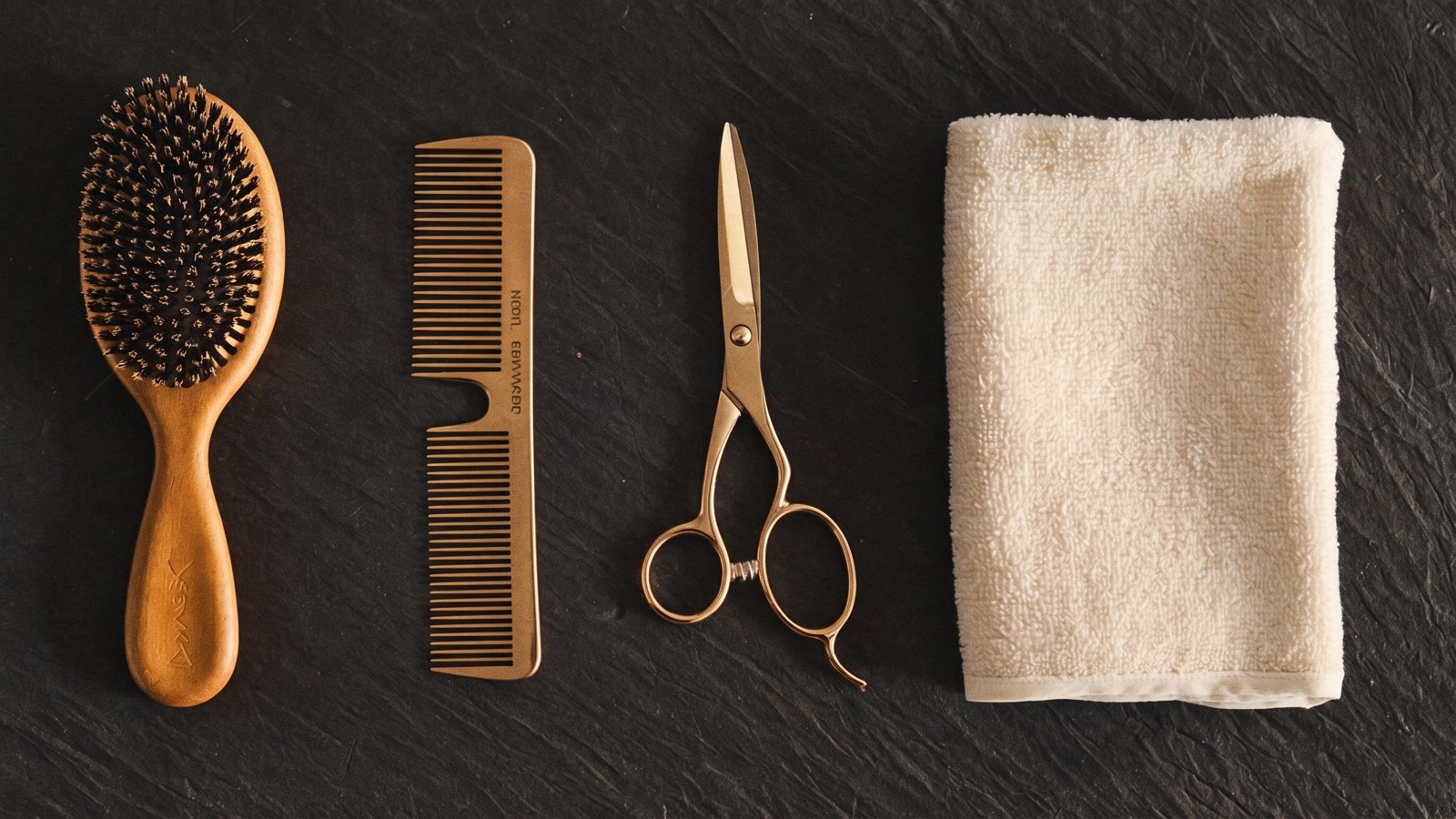
Dog coat care starts with understanding your dog’s specific coat type. Some dogs need slicker brushes and metal combs to work through tangles, while others do better with rubber curry tools or de-shedding brushes designed for loose undercoat.
Common tool mistakes
- Using a soft brush that does not reach through a thick coat
- Relying on a de-shedding tool for a coat that mats easily
- Skipping the comb check after brushing
- Brushing only the top layer and missing hidden tangles underneath
If you are unsure which tools are right for your dog, a professional groomer can help you choose brushes and combs that match your pup’s needs. That guidance can make home maintenance far more effective and comfortable.
3. Brushing Too Gently or Too Quickly
Many owners think a quick once-over with a brush is enough. In reality, effective brushing takes a bit more intention. Light brushing on the surface may make the coat look neat while leaving mats close to the skin. On the other hand, brushing too roughly can cause discomfort and make dogs resist future grooming.
The goal is a calm, thorough brushing routine that works through the coat in sections. Slow, gentle brushing paired with breaks and praise often works much better than trying to rush through the process.
What to do instead
- Brush in layers rather than only on the surface
- Check your work with a comb
- Use small sections, especially on long or curly coats
- Stop before your dog becomes overwhelmed
Stress-free dog grooming starts with reading your dog’s body language. If your dog seems frustrated or sensitive, shorter sessions can be more successful than trying to do everything at once.
4. Bathing Too Often or Not Often Enough
Bathing is one of the most misunderstood parts of dog grooming. Some dogs get bathed too often, which can dry out the skin and coat. Others go so long between baths that dirt, oil, and loose hair build up and make brushing harder.
A good bathing schedule depends on your dog’s coat, activity level, and grooming routine. Dogs who spend lots of time outdoors may need more frequent baths, while others may do best on a less frequent schedule paired with regular brushing and maintenance.
Signs your bathing routine may need adjusting
- Your dog’s coat feels heavy, greasy, or dirty
- The skin seems dry after frequent washing
- Shedding feels worse because loose coat is building up
- Tangles form more easily due to trapped dirt or product residue
Using dog-safe shampoo, rinsing thoroughly, and drying the coat properly are just as important as the bath itself. A professional dog bath and blowout can also make a big difference, especially for dogs with dense, long, or high-maintenance coats.
5. Skipping the Drying Process
After a bath, some owners towel-dry their dog and assume that is enough. While towel drying is a great first step, leaving the coat damp can contribute to tangles, trapped undercoat, and a musty smell. In thicker coats, moisture can linger longer than expected.
Drying matters because it helps fluff the coat, separate the hair, and reveal tangles that need attention. It also improves the finish of the grooming process.
If you bathe your dog at home, be patient with drying. Use a dog-safe dryer if your dog is comfortable with it, keep the temperature appropriate, and brush gently as the coat dries. For some dogs, especially heavy shedders or doodle-type coats, professional drying and brushing are worth the extra support.
6. Trying to Cut Out Mats with Scissors
This is one of the biggest home grooming mistakes and one of the most risky. Mats often sit very close to the skin, and it can be surprisingly easy to nick or cut your dog while trying to snip them out. What looks like a simple knot may actually be tight, layered matting.
If your dog has developed mats, resist the urge to remove them with household scissors. Depending on the severity, mats may need to be worked out carefully by a groomer or clipped safely with professional equipment.
Safer alternatives
- Address tangles early before they become mats
- Use proper brushing and combing techniques regularly
- Schedule professional dog grooming if matting is developing
- Ask your groomer how often your dog should be maintained at home
Matting is especially common in areas with friction, such as behind the ears, under the collar, in the armpits, around the legs, and near the tail. A little routine attention in these spots can prevent bigger problems later.
7. Neglecting Nail Trimming
Nail trimming is easy to put off, especially if your dog dislikes having their paws handled. But overly long nails can affect balance, movement, traction, and overall comfort. In some cases, they can even make regular walking less natural for the dog.
Many owners wait until they can hear nails clicking loudly on the floor. By then, the nails may already be longer than ideal. Routine nail care is an important part of full-service dog grooming and one of the easiest ways to support your dog’s comfort.
Common nail care mistakes
- Waiting too long between trims
- Trying to trim too much at once
- Skipping paw handling practice with puppies
- Only focusing on coat care and forgetting feet
If nail trims are stressful at home, there is nothing wrong with asking for professional help. A calm grooming team can often make regular nail maintenance much easier for both dogs and their owners.
8. Ignoring Your Dog’s Age and Comfort Level
Puppy grooming and senior dog grooming should never be treated exactly the same as grooming a healthy, confident adult dog. Age, mobility, patience, and past experiences all affect how a dog responds to handling, bathing, brushing, and standing for a groom.
Puppies need gentle introductions, short sessions, and lots of positive reinforcement. Senior dogs may need extra time, softer handling, and a setup that supports comfort throughout the appointment.
Good grooming should adapt to the dog
- Puppies benefit from early, positive exposure to brushing, baths, and nail trims
- Senior dogs may need more breaks and a quieter pace
- Nervous dogs often do better with calm, predictable routines
- Every dog deserves humane, patient handling
At Dapper Doodle Grooming, dog-first care means recognizing that grooming is not one-size-fits-all. A low-stress approach helps dogs build trust and feel more secure over time.
9. Choosing a Haircut That Does Not Fit the Coat or Lifestyle
It is easy to fall in love with a certain grooming style online, but not every trim works for every dog. Coat type, texture, activity level, home maintenance, and comfort all matter when deciding on a haircut.
For example, a longer style may look adorable but require regular brushing to prevent matting. A shorter trim may be more practical for a busy family or an active dog who loves outdoor adventures. The best haircut is one that supports both appearance and daily comfort.
When you work with a professional groomer, you can talk through realistic options based on how much brushing you can do at home and what keeps your dog feeling their best.
10. Expecting Home Grooming to Replace Professional Grooming Entirely
Home grooming is valuable, but it usually works best as a supplement to professional dog grooming services, not a total replacement. Brushing, wiping paws, and doing basic upkeep at home are all helpful. But professional grooming provides a deeper level of coat care, bathing, drying, nail trimming, trimming precision, and hands-on expertise.
This is especially true for dogs with coats that mat easily, shed heavily, or need regular haircuts. Professional dog grooming can also be helpful for puppies learning the process and senior dogs who benefit from thoughtful handling and tailored care.
If you are local and looking for dog grooming in Springfield, MO, building a relationship with a trusted grooming salon can make a huge difference in your dog’s long-term comfort and coat health.
11. Missing the Small Details That Matter
Sometimes it is not one major mistake but several little ones that add up. Forgetting to brush under the collar, overlooking the paw pads, or assuming a clean-looking coat is fully tangle-free can all lead to discomfort over time.
Great dog grooming is often about consistency in the small details. Paying attention to the whole dog helps prevent minor issues from becoming bigger grooming challenges.
Areas dog owners commonly miss
- Behind the ears
- Under the collar or harness
- Armpits and inner legs
- Paw pads and toes
- Sanitary areas
- Tail base and feathering
These areas are often where matting, debris, and discomfort begin. A little extra care here can go a long way.
How to Build a Better Dog Grooming Routine
If any of these mistakes sound familiar, do not worry. Most dog owners learn through experience, and grooming gets easier with the right support. The key is to focus on a routine that is realistic, gentle, and tailored to your dog.
A simple approach that works well for many dogs
- Brush regularly based on coat type
- Bathe on a schedule that supports coat and skin health
- Keep up with nail trimming
- Check common matting spots often
- Introduce puppies to grooming early and positively
- Adjust expectations and handling for senior dogs
- Schedule professional grooming as part of ongoing care
If you are unsure where to begin, a trusted groomer can help you create a practical maintenance plan. That kind of guidance can save time, reduce stress, and help your dog stay clean, comfortable, and happy between appointments.
When to Call a Professional Groomer
There is a big difference between basic home maintenance and trying to handle a grooming issue that needs professional attention. If your dog has tight matting, struggles with nail trims, needs a haircut, or simply does better in a professional grooming environment, it may be time to schedule a visit.
Contact Dapper Doodle Grooming if you have questions about your dog’s coat care needs or grooming schedule. Our team focuses on calm, compassionate dog grooming services designed around comfort, cleanliness, and trust.
For dog owners in Springfield, Missouri, professional support can make grooming feel less overwhelming and much more manageable.
Conclusion
Avoiding the most common grooming mistakes can make a real difference in your dog’s comfort, coat condition, and overall grooming experience. From brushing more effectively to staying on top of bathing, nail trimming, shedding, and mat prevention, small changes in your routine can lead to healthier habits and happier grooming days.
The best grooming routine is not about perfection. It is about consistency, patience, and choosing what works best for your individual dog. Some dogs need frequent coat maintenance, some need help with shedding, and some simply need a gentle introduction that builds confidence over time.
If you are looking for warm, professional, stress-free dog grooming in Springfield, MO, Dapper Doodle Grooming is here to help. Whether your pup needs a bath and blowout, a haircut, de-shedding support, puppy grooming, or senior dog grooming, our dog-first approach is centered on safety, comfort, and beautiful results.
To learn more or book an appointment, visit us at 1929 E Independence St, Springfield, MO 65804, call (417) 496-1588, or explore our website at dapperdoodlegrooming.com.