
What Your Groomer Wishes Every Dog Owner Knew
Pull up a stool and step behind the grooming table with me for a minute. I’m a professional dog groomer at Dapper Doodle Grooming here in Springfield, MO,…
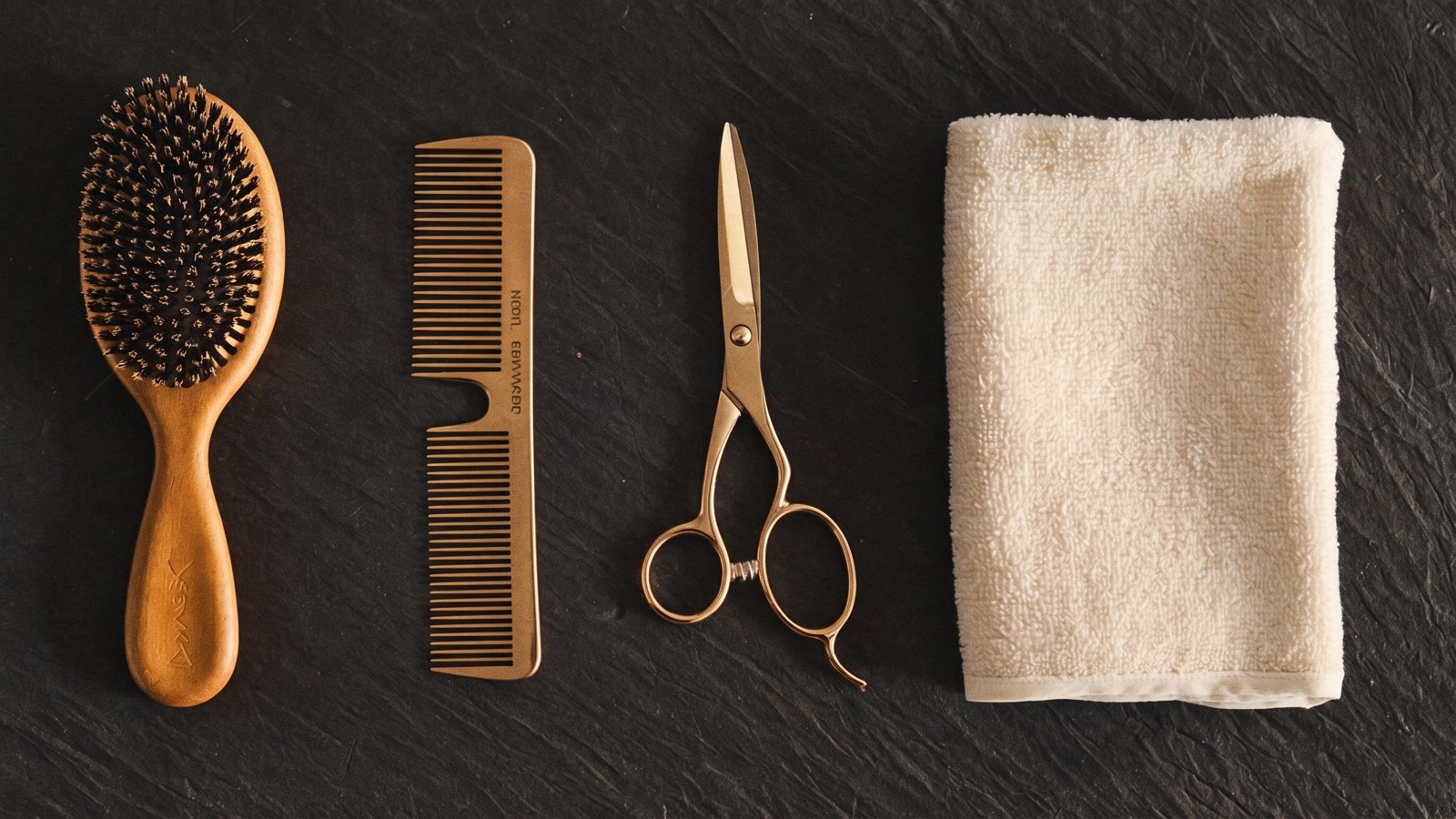
From the Groomer’s Chair: What I Wish Every Dog Parent Knew About Stress‑Free, Healthy Grooming
Pull up a stool and step behind the grooming table with me for a minute. I’m a professional dog groomer at Dapper Doodle Grooming here in Springfield, MO, and I spend my days helping pups feel clean, comfortable, and confident. While the finished haircut is the adorable cherry on top, grooming is really about whole-dog well‑being—skin, coat, nails, ears, comfort, and calm. This candid guide is everything I wish every dog parent knew: how to prep at home, how to make salon visits easier, and how to keep your dog’s coat healthy between grooms without stress or guesswork.
Whether you share life with a floofy doodle, a sleek short coat, or a glorious double-coat shedder, you’ll find practical tips to help your dog look great and feel even better. Let’s go behind the scenes together.
Grooming Is More Than a Haircut—It’s Comfort, Health, and Safety
When a dog hops on our table, we’re looking at much more than style. As groomers, we’re trained to notice changes in skin, coat, paws, and ears; manage stress; and make low‑stress handling choices every step of the way. Here’s what that means for your dog:
- Skin and coat check: We scan for dryness, flakes, hot spots, lumps, and matting so we can choose the gentlest products and tools.
- Comfort-first handling: We use calm, clear body language, frequent breaks, and safe restraint so dogs can process what’s happening without feeling overwhelmed.
- Customized care: The needs of a puppy, an athletic adult, and a senior dog are different—so the groom should be, too.
Professional dog grooming is part beauty, part hygiene, and part well‑being. A great groom isn’t just cute; it helps your dog move comfortably, keep skin healthy, and enjoy everyday life.
The Three Big Truths of Coat Care (From the Groomer’s Perspective)
1) Brushing without a comb is only half the job
We love a good slicker brush—but the tool that tells the truth is a metal comb. Mats often hide close to the skin where brushes can’t reach. If your comb glides from the skin outward without snagging, you’re winning. If it hits speed bumps, there’s hidden matting that needs gentle attention before it tightens.
- Line brushing: Work in thin layers from the skin out. Lift the coat, brush a “line” clear, then move to the next section.
- High-friction zones: Focus on collars, behind ears, armpits, groin, tail, and where harness straps rub—mats love these spots.
- Frequency guide: Curly/wavy coats: daily to every other day. Double coats: 1–2 times a week (more during heavy shedding). Short coats: quick weekly once-over.
Consistent, gentle brushing at home is the best way to keep styles longer and visits calmer. It also gives your groomer more options for cute, fluffy cuts.
2) Bathing and drying affect everything
Bathing is only half the story; thorough drying is equally important. Damp fur can tighten existing tangles into mats, especially in curly or long coats. A full wash, rinse, and blow‑dry (with brushing while drying) prevents that and lifts shedding undercoat. That’s why professional dog baths and blowouts make such a difference.
- Bath timing: Many dogs do well every 4–8 weeks; active, oily, or sensitive-skin dogs may need different schedules. Ask your groomer for a tailored plan.
- Shampoo choices: Use dog‑specific, gentle formulas. Human shampoos can disrupt the skin’s pH and dry out coat.
- Drying matters: Air‑drying a long or curly coat can invite matting. Towel thoroughly, then dry and brush in sections.
For double‑coated breeds, reliable de‑shedding treatments remove loose undercoat without shaving. Shaving a healthy double coat can change coat texture and reduce natural insulation; we reserve shave‑downs for medically necessary scenarios guided by your veterinarian or for severely matted coats when it’s the kindest option.
3) Nail and paw care are comfort care
Nails that are too long can change your dog’s posture, affect joints, and reduce traction on floors. Most dogs do well with nail trims every 2–4 weeks, even between full grooms.
- Look and listen: If nails click on hard floors, they’re usually due for a trim.
- Dewclaws: Don’t forget these little curveballs—especially common culprits for overgrowth.
- Grinders vs. clippers: Clippers quickly shorten; grinders smooth edges and can get a little closer without sharp points.
If your dog is worried about nail care, ask your groomer about gradual, positive experiences—short visits with treats, lots of reassurance, and slow progress. Comfort is the goal, not a race.
Puppy Grooming: Start Early, Go Slow, Keep It Happy
One of my favorite parts of the job is puppy introductions. A confident grooming life starts with short, positive experiences in those first months. At Dapper Doodle Grooming, our puppy-friendly sessions focus on the “big four” sensations: paws, ears, face, and the sound/feel of dryers and clippers.
- Timing: After vaccinations are underway (ask your vet for timing), bring your puppy for a meet‑and‑greet, nail trim, brush‑out, and a gentle bath.
- Home practice: Touch paws, peek in ears, and lift the chin for a second or two while calmly praising. Keep sessions super short and end on a win.
- Tools become neutral: Let your puppy sniff the brush and comb, then reward calm curiosity. Little steps now prevent big fears later.
Consistency is key. Plan frequent, low‑stakes appointments before your puppy’s first full haircut. Those early wins pay off for a lifetime of low‑stress grooming.
Senior Dog Grooming: Gentle, Efficient, and Respectful
Senior pups own our hearts. They often need slower handling, cushioned mats, non‑slip surfaces, support slings, and more frequent breaks. We structure sessions to reduce standing time, trim styles for easier upkeep, and keep movements comfortable.
- Mobility matters: We avoid long stretches of standing, and we change positions thoughtfully to protect hips and back.
- Shorter sessions: Sometimes breaking the groom into two visits is kinder for senior dogs.
- Health flags: If we notice redness, odor, unusual lumps, or new sensitivity, we’ll let you know so you can check in with your veterinarian.
A good senior plan balances hygiene, safety, and dignity. The “perfect” haircut is the one that keeps your older dog clean, comfortable, and relaxed.
Shedding vs. Matting: Different Problems, Different Solutions
It’s easy to mix these up, but they need different strategies:
- Shedding: Loose hair (often undercoat) released from the skin. Best solution: regular de‑shedding with proper tools and a professional blowout to lift out that extra fluff.
- Matting: Hair tightly tangled together, often close to the skin. Best solution: patient de‑tangling when it’s safe and humane—or a kind, shorter trim if mats are widespread or causing discomfort.
We’ll always walk you through options. Our job is to protect skin, reduce stress, and choose the most humane path—then help you build a care routine that prevents the same issue next time.
What Your Groomer Hopes You’ll Tell Us (It Helps More Than You Think!)
We love good notes. Honest communication helps us make the best decisions for your dog.
- Behavior cues: Does your dog worry about the dryer? Sensitive about paws? We’ll plan accordingly.
- Medical info: Allergies, skin sensitivities, or past injuries help us choose products and positions.
- Your real routine: No judgment! Tell us how often you brush and what tools you use. We’ll tailor the cut so it looks great and fits your life.
- Style goals: Bring photos and be open to suggestions. Coat type, lifestyle, and comfort help us refine a look that lasts.
How Often Should My Dog Be Groomed?
There’s no one-size-fits-all, but here are practical ranges we use in the salon. Your dog’s lifestyle and coat may shift these slightly:
- Curly/wavy, long styles (poodles, doodles, bichons, etc.): Full groom every 4–6 weeks, brush and comb at home daily to every other day.
- Curly/wavy, easy‑care lengths (teddy trims/puppy cuts): Full groom every 6–8 weeks, home brushing 3–4 times a week.
- Double coats (shepherds, huskies, retrievers): De‑shedding bath and blowout every 6–10 weeks; extra brushing during seasonal sheds.
- Short coats (boxers, beagles, pits, danes): Bath and tidy every 6–8 weeks; weekly rubber curry or grooming glove to reduce shedding and boost skin health.
- Nails and sanitary tidies: Typically every 2–4 weeks between full appointments.
Consistency matters more than perfection. A reliable rhythm keeps coats manageable and visits calmer.
At‑Home Grooming Toolkit (Groomer‑Approved)
Great grooms start at home with the right tools used gently and regularly. Here’s a solid basics list:
- Slicker brush: For everyday brushing on most coat types (especially curly/wavy).
- Stainless steel comb: The “truth teller” that confirms a mat‑free coat, from skin to tip.
- Undercoat rake or de‑shedding tool: For double coats; use with a light hand to avoid over‑removing coat.
- Dog‑safe shampoo and conditioner: Gentle formulas; ask your groomer about dilution and frequency.
- Paw balm and ear wipes: For dry noses/pads and routine surface cleaning of the ear flap (never deep inside the canal).
- Nail clippers and/or grinder plus styptic powder: For quick touch‑ups between trims.
If you’re unsure which tools fit your dog’s coat, ask us at your next visit. We’re happy to demo brush/comb technique so you feel confident.
Myth-Busting: Common Grooming Misconceptions
- “Shaving makes hair grow back thicker.” It can feel different as blunt ends grow out, but shaving doesn’t change hair count. Texture changes are more about coat type and health.
- “Bathing makes shedding worse.”” Actually, a proper bath and blowout lifts and removes the hair your dog is already shedding, which reduces shedding at home.
- “Conditioner can fix mats.” Conditioner can lubricate and help ease mild tangles, but tight mats are a safety issue and often need careful removal or a shorter trim.
- “My dog hates nails, so we just skip them.” With gentle desensitization and frequent tiny wins, most dogs can learn to tolerate—or even accept—nail care.
Making Grooming Days Easier for Your Dog
Small steps make a big difference in how your dog feels on appointment day:
- Exercise and potty break: A short walk before drop‑off helps reduce wiggles and anxiety.
- Bring calm energy: Quick goodbyes beat lengthy farewells. Dogs take cues from us.
- Pick‑up timing: Prompt pick‑up means less waiting after a finished groom, which helps dogs settle faster at home.
- Fresh starts: Remove tight collars or harnesses before the groom to reduce friction mats in the neck and armpits.
If your dog has a history of extreme fear or reactivity, let’s chat in advance. We can plan extra‑short sessions, slow introductions, or multiple mini‑visits to build comfort. For any medication questions, your veterinarian is your best guide—we’ll coordinate care around their recommendations.
Pricing, Time, and Why Coat Condition Matters
Two labradoodles can have completely different coats, behaviors, and upkeep—so time and price can vary. What influences a groom most:
- Coat condition: Clean, brushed, mat‑free coats save time and open up more style options.
- Length and style: Shorter maintenance trims are faster than elaborate scissor finishes.
- Dog size and behavior: Bigger bodies and anxious pups take more time, patience, and handling adjustments.
- Frequency: Regular 4–8 week schedules are more predictable (and usually more economical) than once‑in‑a‑while rescue missions.
We’ll always be transparent and kind. If a shave‑down is the most humane path for a severely matted coat, we’ll explain why, set expectations, and help you build a realistic plan for growing back healthy.
Building a Low‑Stress Grooming Life in Springfield, MO
In our Springfield community, seasons swing—and so do coats. Spring and fall can bring heavy sheds, summer adventures bring dirt and mats, and winter dryness can make skin cranky. Professional dog grooming keeps your dog comfortable through it all, especially when paired with simple at‑home habits:
- Brush/comb consistently—tiny daily sessions beat occasional marathon detangling.
- Book de‑shedding treatments during peak shed seasons for double coats.
- Keep nails in a 2–4 week rhythm; it’s easier on quicks and joints.
- Choose haircut lengths that match your real routine—cute and comfortable is the sweet spot.
At Dapper Doodle Grooming, we offer full‑service dog grooming, dog baths and blowouts, breed‑inspired haircuts, de‑shedding treatments, puppy introductions, and senior dog grooming—always with a calm, dog‑first approach.
A Sample Week-by-Week Home Routine (Adapt as Needed)
- Daily: Quick comb check in “friction zones” (behind ears, collar area, armpits). One to two minutes is enough.
- Every other day (curly/wavy): Line brush small sections, then confirm with a comb. Reward and keep it upbeat.
- Weekly: Rubber curry or grooming glove for short coats; undercoat rake for double coats (light, gentle passes). Wipe eyes and ears as needed on the surface.
- Every 2–4 weeks: Nail trim and paw pad check. A quick sanitary tidy if your dog’s style needs it.
- Every 4–8 weeks: Professional bath/blowout or full groom based on coat type and lifestyle.
Pro tip: Pair grooming with something your dog loves—dinner, a scatter of treats, or a calm cuddle session—so the routine predicts good things.
When to Loop In Your Vet
Groomers are your dog’s hygiene pros, but we don’t diagnose medical issues. If you notice persistent itchiness, redness, ear odor, swelling, sudden hair loss, or changes in appetite or energy, check with your veterinarian. We’re happy to coordinate with your care team and follow any instructions they recommend.
Ready When You Are—We’re Here to Help
If you’re in or near Springfield, Missouri and want a calm, professional, dog‑first grooming experience, we’d love to meet you. Explore our approach at Dapper Doodle Grooming, give us a call at (417) 496-1588, or stop by our salon at 1929 E Independence St, Springfield, MO 65804 to talk through your dog’s coat, comfort, and goals.
- Soft CTA: Not sure where to start? Ask us for a personalized schedule for your dog’s coat type and lifestyle.
- Medium CTA: Curious about de‑shedding, puppy introductions, or senior grooming adjustments? We’re happy to walk you through options.
- Strong CTA: Ready to book your dog’s next groom in Springfield, MO? Visit our website or call (417) 496-1588.
Final Word From the Table
Great grooming is a partnership. When you handle a little brushing at home and we handle the technical work with gentle, professional care, your dog feels better, looks wonderful, and learns to relax through the process. From puppies just meeting the brush to dignified seniors who appreciate a soft touch, our goal is the same: clean, comfortable, confident dogs—every single time.
Thanks for spending time behind the table with me. When you’re ready, we’ll be here—calm, kind, and dog‑first—at Dapper Doodle Grooming in Springfield, MO.