The Psychology of Dogs in Grooming Environments
Grooming is more than a bath and a haircut—it’s a sensory journey. The sounds, smells, handling, and timing around a grooming visit can shape how a dog feels…
Calm Coats and Happy Hearts: How Environment, Handling, and Routine Shape Your Dog’s Grooming Experience
Grooming is more than a bath and a haircut—it’s a sensory journey. The sounds, smells, handling, and timing around a grooming visit can shape how a dog feels in the moment and over time. When these pieces come together thoughtfully, dogs learn, “This is safe. I know what to expect.” At Dapper Doodle Grooming in Springfield, Missouri, we build every visit around your dog’s comfort, combining professional dog grooming expertise with a calm, predictable experience.
In this guide, we’ll explore how environment, handling, and routine affect canine behavior during grooming—and how small adjustments at home and in the salon can lead to big improvements in confidence, cooperation, and overall well-being.
Whether you’re raising a playful puppy, supporting a sensitive adult, or advocating for a senior dog, you’ll find practical tips you can use right away.
Why Grooming Behavior Matters
Comfortable grooming isn’t just pleasant—it’s essential for coat care, skin health, and safety. When dogs feel secure during bathing, brush-outs, de-shedding, nail trimming, and haircuts, they’re more likely to accept thorough care without stress. That means healthier skin and coat, fewer mats, safer paws, and a cleaner home—especially for breeds that need routine maintenance.
Behavior is communication. By paying attention to how environment, handling, and routine affect your dog’s mood, you help your groomer deliver a stress-minimized, luxury dog grooming experience tailored to your pup.
The Power of Environment: Setting the Stage for Success
Dogs take in the world through their senses. The grooming environment can soothe or overstimulate, cueing your dog’s brain to relax—or brace for stress. Here’s what makes a difference.
Soundscapes and Noise Control
- Soft sound, lower stress: Steady, gentle music or white noise can help mask unpredictable sounds while dryers and clippers run.
- Predictable transitions: Letting a dog see and sniff tools before they’re turned on can reduce jump scares from sudden sounds.
- One-dog-at-a-time zones: Fewer dogs in view often means fewer triggers and distractions for sensitive pups.
Scent and Cleanliness
- Neutral scents: Subtle, clean-smelling products are less overwhelming than strong fragrances.
- Sanitation with care: A spotless space reassures both dogs and humans. Clean grooming tables, tubs, and tools signal safety and professionalism.
Surfaces, Temperature, and Comfort
- Non-slip footing: Anti-fatigue mats and textured tub floors help dogs feel secure and balanced.
- Cozy temps: Warm water for baths, comfortable air temperatures, and gentle airflow during blowouts reduce shivers and stress.
- Lighting that soothes: Bright enough for careful work, soft enough to avoid harsh glare—especially helpful for senior eyes.
Layout and Flow
- Clear, calm check-in: Short wait times and a tidy lobby minimize stimulation.
- Smooth transitions: Moving thoughtfully from check-in to tub to table helps dogs anticipate what’s next.
At Dapper Doodle Grooming, we design each step of the visit to be low-stress and dog-first—from controlled sound levels and slip-resistant surfaces to a rhythm that prioritizes comfort over speed. A well-curated environment lays the foundation for cooperative care.
Handling With Heart: Building Trust Through Touch
How a dog is handled has a profound impact on behavior. Gentle, respectful handling teaches dogs that grooming is safe, predictable, and even rewarding.
Consent-Based, Cooperative Care
- Slow introductions: Allow a moment for sniffing new tools and feeling a gentle touch before work begins.
- Predictable sequences: Bath, blow-dry, brush, trim—when steps happen in a familiar order, dogs learn what comes next.
- Breaks as needed: Short rest moments, a sip of water, or a quick reset can turn a hard moment into a manageable one.
Reading Canine Body Language
Professional groomers watch for small signals that say, “I need space,” or “I’m okay.” These include:
- Green light signals: Soft eyes, loose body, tail at neutral, taking treats, exploring the environment.
- Yellow light signals: Lip licking, yawning, paw lift, turning the head away, tense shoulders, mild shaking off.
- Red light signals: Growling, snapping, whale eye, frantic pulling back, freezing tightly—clear signs to pause and rework the plan.
Gentle Techniques for Sensitive Areas
- Paws and nails: Many dogs are foot-sensitive. Slow touch-and-release, treat breaks, and positive reinforcement ease nail trimming.
- Ears and face: Careful, calm handling around eyes, ears, and muzzle, plus a well-fitted chin rest or hand support, increases safety and confidence.
- Tail and rear: Respectful touch and thoughtful positioning reduce startle responses in sensitive zones.
Tools Used With Care
- Brushes and combs: The right tools for coat type (slicker, pin brush, wide-tooth comb) prevent discomfort and reduce matting pain.
- Dryers: Starting on lower speeds further from the body, then gradually approaching, can help noise-sensitive dogs acclimate.
- Clippers and shears: Temperature checks and regular blade lubrication prevent heat buildup.
None of this replaces veterinary care, and we don’t diagnose medical issues. But by tailoring handling to your dog’s signals, we help create a safer, calmer grooming experience from nose to tail.
Routine and Predictability: The Secret to Long-Term Calm
Dogs thrive on routine. Consistency before, during, and after grooming helps reduce anxiety and builds cooperative behavior over time.
A Pre-Groom Routine at Home
- Short walk and potty break: A little movement helps settle the wiggles. Avoid heavy exercise right before the appointment.
- Meal timing: Light meals and small treats are best; a full belly plus car ride can be uncomfortable.
- Car practice: Quick, positive car trips unrelated to the salon prevent “the car always means grooming” stress.
- Familiar cue: Use the same cheerful phrase before each visit—dogs learn that good things follow.
Regular Grooming Schedule
Predictable intervals keep coat care comfortable and prevent difficult sessions. Typical ranges:
- Doodles and long, curly, or wool coats: Every 4–6 weeks for full-service dog grooming; weekly at-home brushing with a slicker and comb to the skin.
- Double-coated breeds: De-shedding treatments every 6–8 weeks support skin health and manage seasonal shedding.
- Smooth and short coats: Bath, blowout, and nail care every 4–8 weeks keeps skin and nails in good shape.
- Seniors: Shorter, more frequent sessions can be easier than marathon grooms.
Sticking with a cadence avoids painful matting, reduces time on the table, and helps dogs remember the routine from one visit to the next.
During the Groom: Familiar Flow
- Check-in calm: A quick hello, a few notes about how your dog is doing, and a smooth handoff set the tone.
- Consistent sequence: When the grooming flow is predictable, many dogs relax faster each visit.
- Notes for next time: Tracking preferences (water temp, dryer tolerance, favorite treats) builds trust over the long term.
Aftercare and Decompression
- Quiet time: A calm rest at home helps dogs rebalance after the sensory input of bathing, brushing, and blow-drying.
- Hydration and potty break: Offer water and a relaxed walk.
- Positive associations: Gentle praise, snuggles, and a favorite chew reinforce, “That went well.”
Age Matters: Puppy, Adult, and Senior Grooming
Puppy Introductions
Puppy grooming is all about short, happy first impressions. Try quick “happy visits” to the salon for a weigh-in, a treat, or a simple nail trim. At home, practice gentle, daily handling of ears, paws, tail, and muzzle while offering tiny treats. Introduce a quiet hairdryer sound at a distance, paired with rewards. Early, positive experiences make lifelong differences.
Adolescent Energy
Teen dogs often test boundaries. Clear, patient handling, short breaks, and consistent routines teach impulse control without pressure. Regular appointments prevent mats and allow steady progress on skills like standing still and accepting nail trims.
Adult Dogs
Adults benefit from structured maintenance: predictable grooming schedules, familiar products that suit their skin, and communication between you and the groomer about any new sensitivities or behavior changes.
Senior Dog Grooming
Senior dogs may have mobility challenges or sensory changes. Supportive surfaces, slower movements, more breaks, and simplified trims can make senior grooming comfortable. If you notice persistent discomfort or significant changes in behavior, consult your veterinarian for guidance, then share updates with your groomer so we can adjust the plan.
Coat Type Considerations and Behavior
Different coats demand different care, and that affects how a dog feels about grooming.
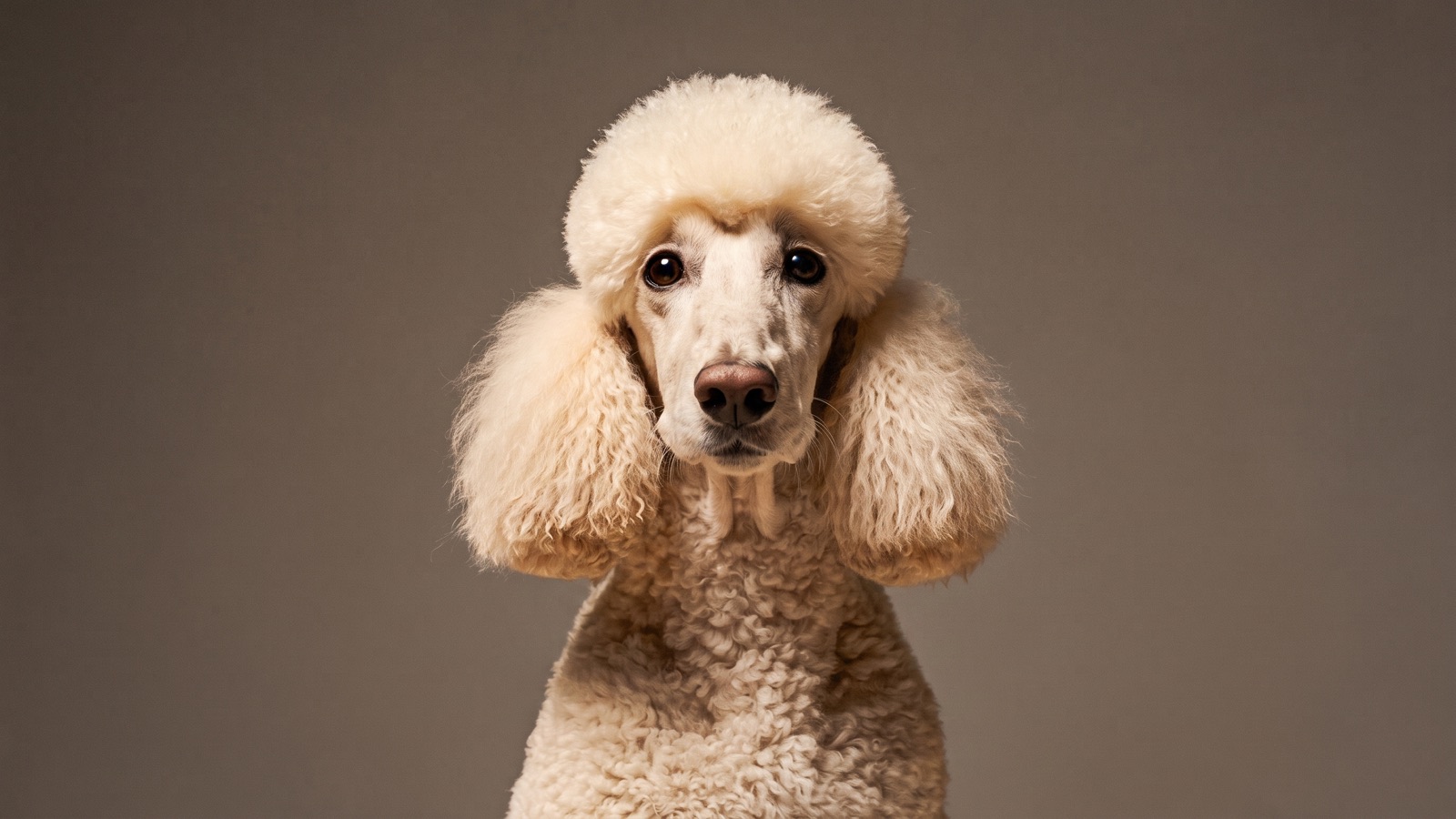
- Curly/wool coats (many doodles, poodles): Require frequent brushing and combing to the skin at home plus regular professional grooming. Less tangling means gentler sessions and calmer behavior.
- Double coats (huskies, shepherds): Seasonal de-shedding reduces loose fur and helps skin breathe, making blowouts more comfortable.
- Smooth coats (boxers, beagles): Regular bathing, drying, and nail trimming are key; shorter sessions done consistently maintain positive associations.
For any coat, matting can be uncomfortable. If brushing causes pulling, dogs learn to brace or resist. Prevention—through home care plus professional dog grooming—supports comfort and cooperation.
Training for Grooming: Practical At-Home Exercises
Five to ten minutes a few times a week can transform your dog’s confidence. Keep sessions upbeat and end before your dog loses interest.
- Brush-and-treat: Touch the brush to your dog’s shoulder, treat, repeat. Build to one gentle stroke, treat, then two. Keep hair free from the brush to prevent tugging.
- Paw practice: Hold a paw for one second, release, treat. Gradually build to gentle pressure on a nail with a file or clipper handle (no clipping yet), treat. This step-by-step approach reduces nail-trim worries.
- Chin rest cue: Teach your dog to rest their chin in your palm or on a towel. It’s a cooperative cue that helps with face trims and eye cleaning.
- Dryer sound conditioning: Play a low-volume dryer sound while feeding tiny treats; increase volume slowly over days as long as your dog stays relaxed.
- Stand-stay on a mat: Practice a 5–10 second relaxed stand on a non-slip mat, treat, release. Works wonders for bath and brushing confidence.
Common Triggers—and How to Smooth Them Out
- The car ride: Start with short, positive trips to neutral places. Use a comfortable harness or crate to reduce sliding.
- Lobby jitters: Arrive a few minutes early for a potty break and quiet sniffing outside before check-in.
- Separation worry: Keep goodbyes brief and upbeat. Dogs read our emotions.
- Tool anxiety: Share what tools your dog dislikes. Groomers can start with alternatives, lower settings, or different angles.
Safety, Communication, and Realistic Expectations
Your dog’s comfort comes first. Here are guidelines we follow—and ways you can help:
- Safety over speed: We don’t rush. Breaks and adjustments are part of kind, professional dog grooming.
- No forced battles: If a dog is clearly over threshold, we’ll modify the plan, try a different approach, or pause.
- Transparent updates: Share health changes, skin sensitivities, or past grooming experiences. Details help us tailor a plan.
- Vet partnership: We don’t diagnose or treat medical conditions. For persistent discomfort or skin issues, consult your veterinarian; we’ll coordinate our grooming approach accordingly.
Springfield, MO Spotlight: Making Grooming Low-Stress in Our Community
Springfield dog parents know that Midwest seasons can be tough on coats—muddy springs, hot summers, and shedding cycles. A calm, well-equipped salon and a groomer who understands local weather patterns can make all the difference. From seasonal de-shedding treatments to tidy trims that suit your dog’s lifestyle, a professional approach keeps pups comfortable year-round.
At Dapper Doodle Grooming, we focus on:
- Full-service dog grooming built around your dog’s comfort and safety
- Dog baths and blowouts with coat-appropriate products
- Breed-specific haircuts and hand-scissored finishes where appropriate
- De-shedding services that support coat health without compromising the undercoat
- Puppy introductions and senior dog grooming with extra patience and flexibility
When Behavior Changes: What It Might Mean
Behavior can shift for many reasons—new household routines, developmental stages, or discomfort from mats or long nails. If your dog suddenly resists bathing, brushing, or nail trimming, consider:
- Coat condition: Mats or compacted undercoat can make grooming uncomfortable.
- Physical changes: Stiffness, dental discomfort, or sore paws can affect tolerance. Check with your vet if you notice new, persistent signs of pain.
- Life events: Moves, schedule changes, or new pets can raise stress levels. Gentle reintroductions to the grooming routine help.
Share what you’re seeing. We’ll adjust handling, tools, and timing to meet your dog where they are.
A Sample Calm-Groom Plan You Can Try
Use this simple outline to create predictability for your dog:
- Day before: Short brushing session paired with treats; prep a small bag with favorite treats and a familiar towel.
- Morning of: Light breakfast; calm walk and potty break; quiet car ride with a familiar cue (“Spa day!”).
- Check-in: Brief, upbeat goodbye; share any updates with the groomer.
- During the groom: Planned breaks; lower dryer speeds first; add handling notes for next time.
- After pickup: Water, potty, and a quiet rest. Celebrate with gentle praise and a chew.
Frequently Asked Questions
How often should my dog be groomed?
It depends on coat type, lifestyle, and age. Many doodles and long-coated breeds do best every 4–6 weeks, double-coated breeds every 6–8 weeks for de-shedding, and smooth coats every 4–8 weeks for baths and nail trims. Between appointments, brush and comb to the skin a few times a week for long or curly coats.
My dog hates nail trims. What can I do?
Try daily, tiny steps: touch a paw, treat; hold a nail for one second, treat; file lightly once, treat. Keep sessions short and cheerful. Let your groomer know what helps (slow pace, breaks, favorite treats). Over time, most dogs become more comfortable.
Is “stress-free grooming” really possible?
All dogs feel stress occasionally, but thoughtful environment, humane handling, and predictable routines can dramatically reduce it. The goal is a calm, cooperative experience tailored to your dog’s needs.
Your Dog, Our Promise: Kindness, Skill, and Consistency
Environment, handling, and routine don’t just affect grooming behavior—they transform it. With a calm space, gentle techniques, and a predictable schedule, dogs learn that grooming is safe, manageable, and even enjoyable. That’s the heart of professional dog grooming.
If you’re in Springfield, MO, and looking for a comfortable, low-stress grooming experience, we’d love to meet your pup. Learn more or get in touch with Dapper Doodle Grooming. You can also call us at (417) 496-1588 or visit 1929 E Independence St, Springfield, MO 65804.
Whether you need puppy grooming, senior dog grooming, de-shedding, or a tidy trim, our team will treat your dog with gentle care and professional attention—because every great groom starts with trust.