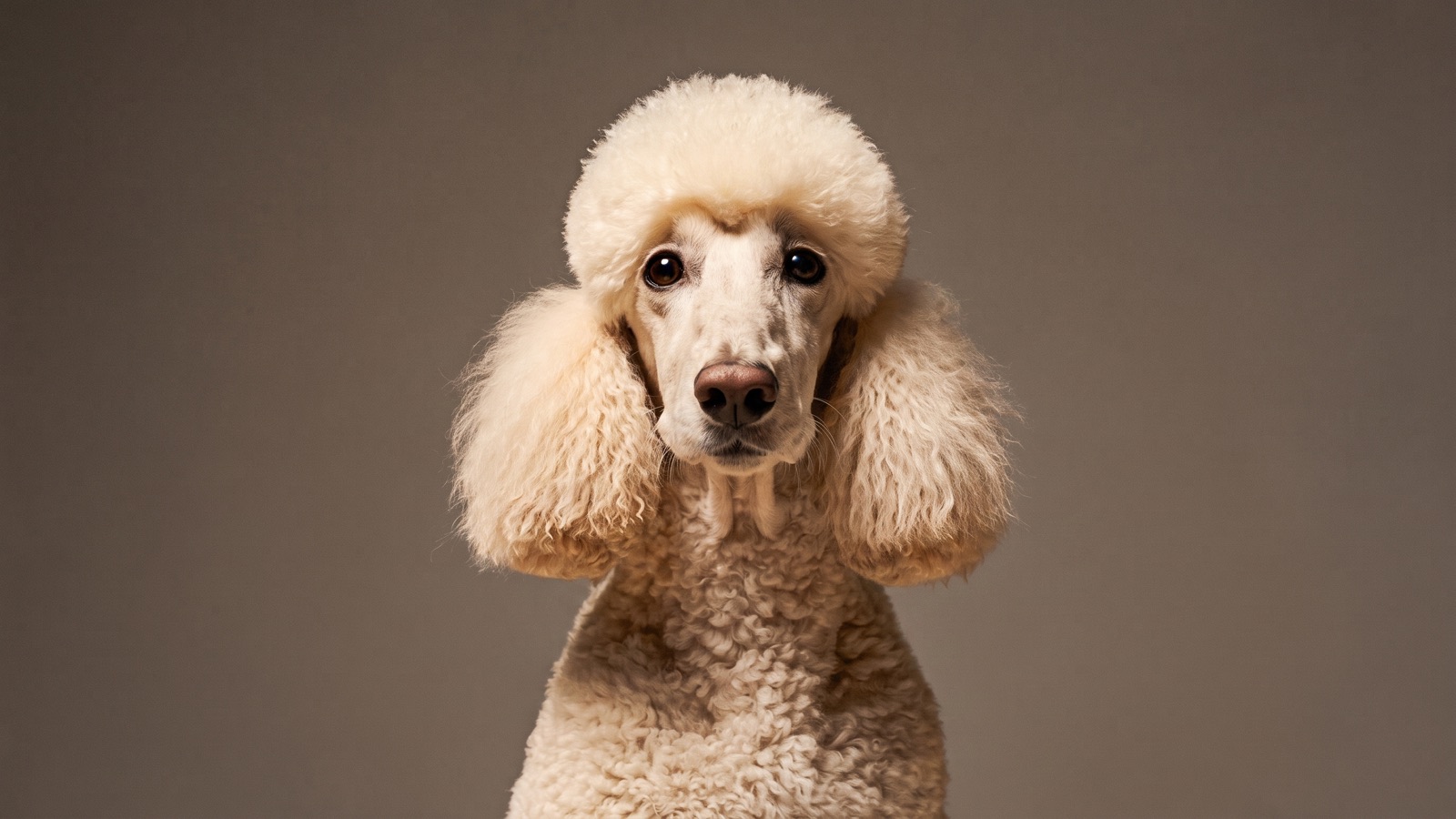
The Truth About Dry Skin in Dogs
Discover the truth behind winter dog grooming myths and expert tips for keeping your furry friend comfortable and clean this season.
Winter Dog Grooming Myths: What Cold-Weather Dog Parents Need to Know
When the temperatures drop in Springfield, Missouri, many dog parents bundle up, shorten walks, and assume grooming can take a back seat until spring. We get it—winter feels like a low-maintenance season for coats and baths. But the truth is, cold weather brings its own set of grooming needs. At Dapper Doodle Grooming, we specialize in calm, stress-free dog grooming designed for real life—even the slushy, salty, sweater-filled parts of it.
In this myth-busting guide, we’ll unpack the most common winter dog grooming misconceptions, share practical at-home tips, and help you create a simple, winter-ready grooming plan that keeps your dog comfortable, clean, and healthy all season long.
Myth #1: “My dog doesn’t need grooming in winter.”
The truth: Dogs still need regular grooming in winter—sometimes more than in summer. Cold weather, dry indoor heat, and winter gear all change how coats behave. Mats form faster, skin can get dry, and road salt can stick to paws and fur. Routine grooming helps prevent these issues before they cause discomfort.
Winter reality check:
- Coats still grow—and mats tighten in wet, slushy conditions.
- Skin can dry out thanks to low humidity and home heating.
- Salt and ice melt can irritate paws and legs if not cleaned away.
Maintaining your usual grooming cadence is a smart move for comfort and health. For many dogs, that means appointments every 4–8 weeks, adjusted by breed, coat type, and lifestyle.
Myth #2: “Longer fur automatically keeps dogs warmer.”
The truth: A well-maintained coat insulates; a matted coat does not. Mats trap moisture and compress the coat so air can’t circulate—reducing the insulation your dog relies on to stay warm.
What works:
- Regular brushing to prevent tangles and mats, especially in friction zones like behind ears, armpits, and under collars or harnesses.
- Balanced trims to keep length manageable without over-shortening. A neat, brushed, and breathable coat insulates better than a long, tangled one.
- Sanitary and paw trims for cleanliness and traction on icy sidewalks.
If you’re unsure about the ideal winter length for your dog’s coat, our team can help tailor a cut that preserves warmth while preventing matting.
Myth #3: “It’s better to skip baths in cold weather.”
The truth: Bathing is still important in winter—especially to remove salt, slush, and allergens. The key is using gentle products, warm water, and drying thoroughly before heading outside.
Winter-safe bathing basics:
- Use moisturizing shampoos and conditioners suitable for your dog’s coat and skin.
- Rinse thoroughly to remove product residue and any environmental irritants.
- Dry completely with a towel and gentle blowout so your dog isn’t damp in the cold.
Skipped baths can lead to buildup that dulls the coat and irritates skin. Clean, conditioned coats stay softer, shed appropriately, and are easier to brush between grooms.
Myth #4: “Shaving double-coated dogs reduces shedding in winter.”
The truth: Double coats are nature’s climate control. Shaving can disrupt their temperature regulation, potentially leading to coat changes and less effective insulation. The better approach is de-shedding to remove loose undercoat while preserving the protective topcoat.
What to request instead:
- De-shedding treatments that loosen and remove excess undercoat.
- Thorough blowouts to lift dead coat and reduce shedding at home.
- Targeted trimming around paws, sanitary areas, and feathering for cleanliness—without compromising the coat’s natural function.
De-shedding helps your home stay cleaner and your dog stay comfortable—without the risks of shaving a double coat.
Myth #5: “Snow cleans the coat.”
The truth: Snow can rinse surface dirt, but it doesn’t clean. In fact, it can leave behind salt, de-icing chemicals, and microscopic debris that irritate skin and paws. Snow can also lead to “coat snowballs,” especially on fluffy or curly coats, which hold moisture against the skin.
What to do after snowy walks:
- Rinse or wipe paws and legs with warm water or a pet-safe wipe.
- Dry completely, paying attention to toes and between pads.
- Brush gently to remove tangles before they tighten into mats.
Myth #6: “Paw pads are built-in snow boots.”
The truth: Paw pads are tough, but they can still crack, dry, or get irritated by salt and icy surfaces. Fur between toes can form ice clumps that cause discomfort and reduced traction.
Winter paw-care checklist:
- Trim the fur between paw pads to reduce ice clumping and slipping.
- Wipe or rinse paws after each walk to remove salt and chemicals.
- Consider dog-safe paw balms for protection and moisture support.
- Try booties if your dog tolerates them for extra protection and warmth.
If you notice persistent redness, licking, or limping, follow up with your veterinarian for guidance.
Myth #7: “Nails wear down naturally in winter.”
The truth: Winter walks are often shorter and on softer, snowy ground—so nails may not wear down as usual. Longer nails can affect posture and traction, especially on slick floors.
Keep nails in check: Schedule nail trims every 2–4 weeks depending on growth, and ask about smoothing or grinding for a tidy finish. Short nails help prevent slips on icy sidewalks and glossy indoor floors.
Myth #8: “Sweaters replace grooming.”
The truth: Sweaters and jackets are great for warmth, but they can actually increase matting by creating friction and trapping shed hair against the skin. They also gather salt and debris around the neckline and chest.
Grooming with winter gear:
- Brush before and after your dog wears a sweater or coat.
- Check common trouble spots—behind the ears, armpits, chest, and belly.
- Wash gear regularly to reduce buildup and odors.
Myth #9: “Dry indoor air is just a comfort issue.”
The truth: Dry, heated air can affect skin and coat health—leading to dullness, static, and flakes. Grooming supports skin wellness by removing buildup, distributing natural oils, and using products formulated to hydrate.
Simple ways to help:
- Ask for moisturizing shampoos and conditioners during winter appointments.
- Brush routinely to move natural oils from skin to coat.
- Use a humidifier at home if the air is very dry.
If you notice consistent itching or irritation, consult your veterinarian to rule out medical causes. Grooming partners with, not replaces, veterinary care.
Myth #10: “Puppies and seniors should wait until spring.”
The truth: Winter is an excellent time to gently introduce puppies to grooming and to provide seniors with extra comfort care. The key is a calm, patient approach with accommodations for age and energy level.
For puppies:
- Short, positive visits build confidence and trust in the salon environment.
- Light baths, gentle blowouts, and nail trims set the foundation for a lifetime of low-stress grooming.
- Desensitization to tools and handling prevents fear and helps future full grooms go smoothly.
For senior dogs:
- Low-stress handling and unhurried sessions reduce fatigue and anxiety.
- Comfort-focused services like warm baths, careful drying, and easy-to-maintain trims.
- Traction-aware nail care to support mobility on slippery floors.
What a winter-ready grooming plan looks like
Every dog is different, but here’s a simple framework you can personalize with your groomer:
- Every 4–8 weeks: Full-service grooming or bath and tidy. Include a moisturizing bath, thorough brush-out, blowout, nail trim, ear cleaning, and sanitary/foot trims.
- Every 2–4 weeks: Nail trims and between-appointment brush-outs (in-salon or at home).
- After snowy/dirty outings: Quick rinse of paws and legs; towel-dry and brush.
- As needed: De-shedding treatments for double coats and seasonal shedders.
Not sure where to start? A conversation with a professional groomer can help you match your dog’s coat type, lifestyle, and comfort needs to the right schedule.
At-home winter grooming tips between appointments
- Brush lightly and often: Aim for a few minutes 3–4 times a week. Focus on areas where sweaters and collars rub.
- Use a detangling spray: A light, dog-safe conditioning mist helps prevent static and breakage.
- Paw check after each walk: Rinse or wipe, then dry thoroughly. Look between toes for debris and snowballs.
- Keep gear clean: Wash sweaters, harnesses, and bedding to reduce coat buildup and odors.
- Bundle up, then cool down: Let your dog fully dry after baths before going outside. Keep them indoors and cozy until they’re completely dry to the skin.
- Keep nails short: Listen for clicking on floors—that’s your cue for a trim.
When to call a professional groomer
DIY care goes a long way, but some winter situations are best handled by a pro—especially if your dog has a thick, curly, or double coat; is experiencing matting; or needs a breed-specific trim. Professional tools and techniques make winter coat care safer, faster, and more comfortable for your dog.
If you’re in Springfield, MO and want a calm, dog-first experience, the team at Dapper Doodle Grooming offers:
- Full-service dog grooming with warm, moisturizing baths and gentle blowouts
- Breed-specific haircuts and tidy trims tailored to winter needs
- De-shedding treatments for seasonal comfort and cleaner homes
- Puppy introductions that build confidence and trust
- Senior dog grooming with extra comfort and care
Our philosophy is simple: low-stress, clean, and kind grooming that keeps dogs comfortable in every season.
Frequently asked winter grooming questions
Can I bathe my dog at home in winter?
Yes—just use warm (not hot) water, dog-safe moisturizing products, and dry your dog completely before going outside. Towel-dry first, then gently blow dry on a low, warm setting if your dog tolerates it. Keep your pup indoors until fully dry to the skin.
How do I know if my dog’s coat is too long for winter?
If brushing takes a long time, mats form quickly, or your dog struggles to stay dry after walks, the coat may be too long for easy winter maintenance. A trim that preserves warmth but removes bulk and problem areas is often the best fix.
Is shaving ever a good idea in winter?
It’s rarely ideal for most coats, especially double coats. For severely matted coats where brushing would be uncomfortable, a reset trim might be necessary—followed by a manageable growth and maintenance plan. Your groomer can advise on the most humane, comfortable option.
Do dogs still shed in winter?
Many do. While shedding often increases with seasonal shifts, indoor heating and artificial light can lead to consistent, low-level shedding year-round. Regular brushing and de-shedding sessions help keep it under control.
What about ear care in winter?
Wet ears and trapped moisture can be uncomfortable in cold weather. Professional ear cleaning during grooms helps remove buildup. If you notice persistent head shaking or odor, reach out to your veterinarian for medical guidance.
How often should I book grooming in winter?
For most dogs, every 4–8 weeks works well. Puppies and seniors may benefit from shorter, more frequent appointments focused on comfort and confidence. Your dog’s coat type and daily routine are the best guides—your groomer can personalize a schedule.
Winter grooming for different coat types
Each coat has unique needs during cold weather:
- Short, smooth coats: Easy to maintain, but still benefit from regular baths, nail trims, and paw care. Consider sweaters for warmth on very cold days.
- Curly and wavy coats (e.g., doodles, poodles): Prone to matting in wet, snowy weather and under sweaters. Frequent brushing and tidy trims help prevent discomfort.
- Double coats (e.g., huskies, shepherds, retrievers): Avoid shaving. De-shedding and blowouts reduce loose undercoat while retaining insulation.
- Silky coats: Keep ends neat, focus on gentle brushing and conditioning for shine and smoothness.
A calm, cozy, and clean winter—without the stress
Winter grooming doesn’t have to be complicated. With a few smart habits at home and a regular schedule with a trusted professional, your dog can stay fresh, mat-free, and comfortable from the first cold snap to the last thaw.
If you’d like help creating a winter-friendly plan for your dog in Springfield, Missouri, we’re here for you. Visit Dapper Doodle Grooming to learn more about our dog-first services and low-stress approach, or give us a call at (417) 496-1588.
Ready when you are
- Soft step: Have questions about winter coat care? Reach out—our friendly team loves to help.
- Next step: Curious which services fit your dog’s coat and lifestyle? Explore our Springfield grooming options.
- Book with confidence: When you’re ready, schedule a visit at Dapper Doodle Grooming, 1929 E Independence St, Springfield, MO 65804.
Here’s to warm naps, happy paws, and fresh, healthy coats all winter long.