What Your Dog’s Coat Type Says About Their Grooming Needs
Every dog’s coat tells a story—about genetics, lifestyle, and what a realistic grooming routine should look like.
How Your Dog’s Coat Type Shapes Grooming: A Practical Guide for Every Pup
Every dog’s coat tells a story—about genetics, lifestyle, and what a realistic grooming routine should look like. Whether your best friend has a sleek, low-maintenance coat or a curly, high-maintenance one, the type of hair they have directly determines how often they need professional grooming, what tools you should use at home, and which techniques keep their skin healthy and comfortable. At Dapper Doodle Grooming in Springfield, MO, our calm, dog-first approach tailors services to your pup’s unique coat so they can look and feel their best without stress.
This guide explains the most common dog coat types and how each one affects brushing, bathing, shedding management, haircuts, and maintenance between appointments. Consider it your roadmap to a happy, healthy coat—with realistic routines you can stick to.
Why Coat Type Matters More Than You Think
The right routine for your dog isn’t about trends or what works for your neighbor’s pup—it’s about the structure and growth pattern of your dog’s coat. Coat type influences:
- Shedding and matting tendencies: Some coats shed constantly; others hardly shed but mat easily.
- Bathing frequency and product choices: Different coats respond best to different shampoo and conditioner combinations.
- Brushing technique and tools: The right brush makes grooming comfortable and effective.
- Haircut needs: Some coats grow continuously and require regular trims; others should not be shaved.
- Skin health: A grooming plan tailored to the coat helps maintain the skin’s natural balance and comfort.
When you match grooming to coat type, you reduce tangles and shedding, protect the skin, and help your dog enjoy the process. That’s the heart of stress-free, luxury dog grooming—and it’s our standard at Dapper Doodle Grooming.
Meet the Major Dog Coat Types (and What Each Needs)
Smooth and Short Coats
Examples: Beagle, Boxer, Doberman Pinscher, Pit Bull
What the coat is like: Single-layer, short hair that lies close to the skin. These coats shed, sometimes more than expected, but rarely mat.
Home routine essentials:
- Brushing: 1–3 times per week with a rubber curry brush or grooming glove to loosen dead hair and stimulate the skin. Follow with a soft bristle brush for shine.
- Bathing: About every 4–6 weeks (or after muddy adventures). Use a gentle, dog-safe shampoo and rinse thoroughly.
- Drying: Towel dry or low-heat blow dry; avoid hot air against the skin.
Professional grooming tips: Regular baths and blowouts dramatically cut down on shedding at home. Ask about deshedding shampoos and conditioners to lift loose coat comfortably during appointments.
Double Coats (Undercoat + Guard Hair)
Examples: German Shepherd, Husky, Golden Retriever, Corgi, Pomeranian
What the coat is like: A dense, insulating undercoat beneath longer guard hairs. Double-coated dogs “blow coat” seasonally, releasing large amounts of undercoat.
Home routine essentials:
- Brushing: 2–4 times per week. Use an undercoat rake to remove loose undercoat; follow with a slicker brush for the topcoat. Gentle, patient sessions are best.
- Bathing: Every 4–8 weeks; more frequently during heavy shedding seasons for a clean, comfortable coat.
- Drying: Thorough drying is essential to prevent damp undercoat, which can lead to odor and skin discomfort. Use low-heat, steady airflow.
Professional grooming tips: De-shedding treatments and high-velocity blowouts safely release impacted undercoat. In most cases, it’s best to avoid shaving a double coat because the coat provides natural temperature regulation and sun protection; shaving may alter texture and regrowth. We can help you manage shedding with regular de-shedding services and discuss your dog’s individual needs.
Long, Silky Coats
Examples: Yorkie, Maltese, Shih Tzu, Afghan Hound, Setter
What the coat is like: Fine, silky strands that tangle easily and require consistent maintenance to prevent matting—especially around ears, armpits, chest, and behind the legs.
Home routine essentials:
- Brushing: Daily or every other day. Use a pin brush for the length and a stainless-steel comb (“greyhound comb”) to check all the way to the skin. Practice “line brushing” section by section.
- Bathing: Every 2–4 weeks with a hydrating conditioner to reduce tangles. Always fully dry the coat before brushing to avoid breakage.
- Face and hygiene care: Wipe eyes daily to avoid debris collecting in facial hair; keep the sanitary area tangle-free.
Professional grooming tips: Routine trims keep the coat manageable. Many families choose a practical, low-maintenance length that still looks polished. Regular face, feet, and sanitary tidies between full grooms can extend coat health and comfort.
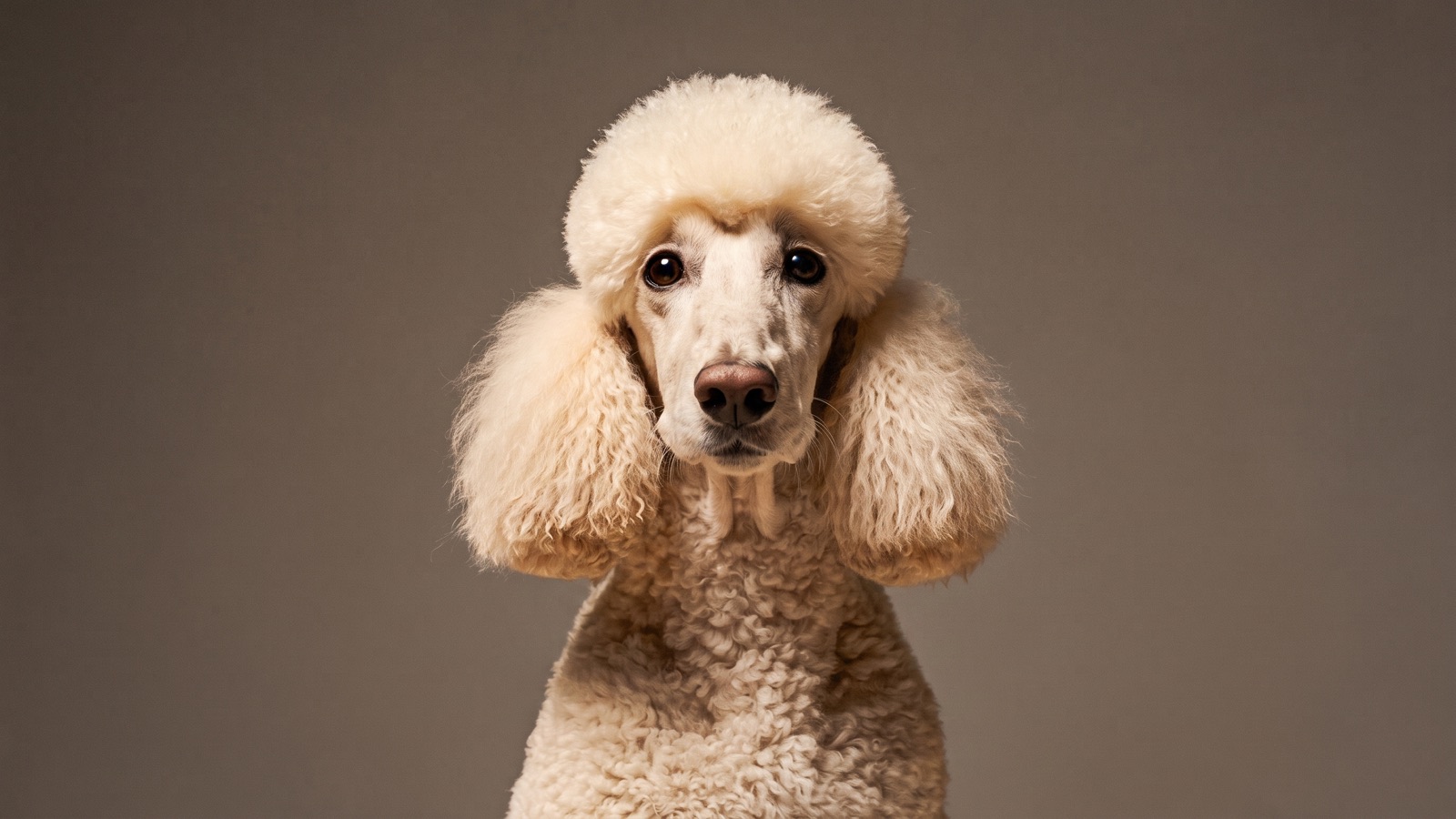
Curly and Wavy Coats (Including “Doodles”)
Examples: Poodle, Bichon Frisé, Labradoodle, Goldendoodle, Portuguese Water Dog
What the coat is like: Hair that grows continuously with curls or waves. These coats shed very little but mat quickly without consistent care. Mats can form at the skin and tighten as the dog moves.
Home routine essentials:
- Brushing: 3–5 times per week minimum. Use a quality slicker brush to lift curls and a metal comb to check down to the skin—if the comb can’t glide through, mats are forming.
- Bathing: Every 2–4 weeks. Always brush and comb thoroughly before the bath; water tightens hidden tangles into mats.
- Drying: Dry in layers while brushing to keep curls fluffy and prevent post-bath matting.
Professional grooming tips: Schedule haircuts every 4–6 weeks to keep curls healthy and manageable. If mats are extensive, a shorter, humane clip may be the kindest option—comfort first, always. We’ll help you choose a length that fits your lifestyle and brushing time.
Wiry or “Broken” Coats
Examples: Schnauzer, Westie, Wire Fox Terrier, Airedale
What the coat is like: A harsh, wiry topcoat with a softer undercoat. For breed-standard texture and rich color, the dead topcoat is traditionally removed by hand stripping or carding. Many companion dogs are maintained with clipper trims for comfort and practicality.
Home routine essentials:
- Brushing/Carding: Weekly brushing with a slicker or pin brush; use a fine carding tool gently to remove excess undercoat.
- Bathing: Every 4–6 weeks. Avoid heavy conditioners that soften the harsh coat too much if you prefer a crisp texture.
Professional grooming tips: Talk with your groomer about maintaining texture and the style you like. Some dogs do well with blended approaches, and comfort always comes first.
Double-Coated Toy and Nordic Breeds (Extra Fluff)
Examples: Pomeranian, American Eskimo Dog, Samoyed
What the coat is like: Dense, plush coats that can trap loose fur and humidity close to the skin.
Home routine essentials:
- Brushing: Several times per week with an undercoat rake and slicker, working in layers.
- Bathing and drying: Every 4–6 weeks with thorough drying and coat fluffing to keep the skin ventilated.
Professional grooming tips: Routine de-shedding and careful blowouts help prevent impacted undercoat and keep that signature “cloud” look healthy and comfortable.
Hairless and Sparse-Coated Dogs
Examples: Chinese Crested (Hairless), Xoloitzcuintli
What the coat is like: Minimal hair with exposed skin that needs gentle care and sun protection. These dogs don’t shed much but still require routine baths and skin-safe products.
Home routine essentials:
- Bathing: Every 2–4 weeks with mild, dog-safe products.
- Protection: Ask your veterinarian about dog-safe sunscreens or protective clothing for sunny days.
Professional grooming tips: Regular nail care, footpad attention, and ear hygiene keep these pups comfortable between baths.
Bathing by Coat Type: Getting It Just Right
Bathing supports skin health, but frequency and technique depend on the coat:
- Smooth/short coats: 4–6 weeks; too-frequent baths can dry the skin. A rubber curry helps distribute natural oils after the bath.
- Double coats: 4–8 weeks with targeted de-shedding products; more frequent during heavy shedding seasons.
- Silky coats: 2–4 weeks with a hydrating conditioner to reduce tangles and breakage.
- Curly/wavy coats: 2–4 weeks, always brush out before bathing and dry thoroughly while brushing.
- Wiry coats: 4–6 weeks; lighter conditioners preserve texture.
Use lukewarm water and rinse until the water runs completely clear—leftover product can irritate the skin and attract dirt. Full drying is essential for all coat types to prevent odor, tangles, and discomfort. At Dapper Doodle Grooming, we use calm handling and careful drying techniques tailored to your dog’s coat and comfort level.
Brushes, Combs, and Tools: Match the Tool to the Coat
The right tool makes grooming faster and more comfortable:
- Rubber curry or grooming glove: Best for smooth/short coats to lift shedding fur and massage the skin.
- Soft/medium bristle brush: Adds shine to short coats; good as a finishing tool.
- Slicker brush: Essential for curly/wavy, silky, and many double coats; lifts loose hair and opens the coat.
- Undercoat rake: Safely removes loose undercoat from double-coated breeds.
- Pin brush: Great for long, silky coats; use in combination with a comb.
- Metal comb (coarse/fine “greyhound” comb): The truth teller—if your comb doesn’t glide to the skin, you’ve got tangles.
- Dematting tool: For small, early tangles only. Never saw through large mats at home; it’s easy to nick the skin.
- Nail trimmers or grinder: Regular nail care supports joint comfort and good posture.
Matting 101: Prevention Over Pain
Mats form when loose hair twists and compresses with movement and moisture. They tend to start in friction zones (behind ears, armpits, around the collar, tail base, legs). Once mats tighten, brushing can be uncomfortable or unsafe; a shorter trim may be the kindest solution.
Prevention tips:
- Brush and comb to the skin in sections (“line brushing”) instead of skimming the top.
- Brush before baths; water tightens existing tangles.
- Keep the coat at a length you can maintain with your schedule.
- Use detangling sprays designed for dogs to reduce friction.
- Book consistent professional grooming to reset the coat and catch problem areas early.
At Dapper Doodle Grooming, we prioritize comfort and humane handling. When mats are extensive, we’ll discuss a realistic plan—often a reset trim—so your dog leaves feeling great and you have a fresh start at home.
Puppy Coats: Start Gentle, Build Confidence
Puppies often have soft, fluffy coats that change as they mature. Around 6–12 months, many breeds transition to adult coats, which can tangle more easily. Early, positive grooming experiences set the tone for life.
Puppy-focused tips:
- Start with short, happy sessions at home: gentle brushing, handling paws and ears, and rewarding calm behavior.
- Schedule a professional puppy introduction for a bath, blow-dry, nail trim, and a tidy if needed—low stress, high praise.
- Keep coat length manageable while you and your puppy learn brushing skills together.
Our team offers calm, puppy-friendly appointments that build trust and help young dogs confidently accept grooming as part of their routine.
Senior Dogs: Comfort, Safety, and Routine
Older dogs can have drier skin, thinning coats, and mobility or sensory changes. Gentle handling and predictable routines keep them comfortable.
Senior-friendly tips:
- Opt for shorter, more frequent grooming visits over marathon sessions.
- Choose practical coat lengths that are easy to keep clean and tangle-free.
- Keep nails short for joint comfort and footing; monitor paw hair around pads.
- Supportive mats and calm environments reduce stress during grooming.
We tailor senior dog grooming with extra patience and thoughtful pacing. Your dog’s comfort guides every step.
Lifestyle Matters: Activity and Seasonality
Coat care isn’t just about breed—it’s also about how your dog lives:
- Outdoor explorers: Expect burrs, mud, and more frequent baths. Keep feathering and sanitary areas tidy.
- Water lovers: Rinse after swims to remove chlorine or lake residue; fully dry to prevent tangles and odor.
- Seasonal changes: Double coats need extra de-shedding in spring and fall; curly and silky coats may need shorter, practical trims for summer adventures.
- Sensitivity-prone skin: Choose gentle, dog-formulated products and a consistent routine; if you have concerns, your veterinarian is a helpful partner.
At-Home Care + Professional Grooming: A Winning Team
Coat health is a partnership. Daily and weekly care at home prevents problems, while professional grooming resets the coat, manages shedding, and maintains shape and hygiene. At Dapper Doodle Grooming, we customize bathing, blowouts, de-shedding treatments, tidy-ups, and haircuts to the coat in front of us—always with calm, low-stress handling.
Learn more about our approach to full-service dog grooming in Springfield, MO, and let us help you create a routine that fits your dog and your life.
Quick-Glance Maintenance Schedules by Coat Type
Use these as starting points. Your dog’s age, activity level, and health may shift the cadence slightly.
- Smooth/Short Coats: Brush 1–3x/week; bath every 4–6 weeks; nails every 2–4 weeks; professional de-shed during seasonal shedding can help.
- Double Coats: Brush 2–4x/week; bath and de-shed every 4–8 weeks (every 3–4 weeks during heavy shedding); nails every 2–4 weeks.
- Long, Silky Coats: Brush/comb daily or every other day; bath every 2–4 weeks; professional tidy every 3–4 weeks; full groom every 4–6 weeks.
- Curly/Wavy Coats: Brush/comb 3–5x/week; bath every 2–4 weeks (after a full brush-out); haircuts every 4–6 weeks; nails every 2–4 weeks.
- Wiry Coats: Weekly brushing/carding; bath every 4–6 weeks; professional maintenance every 4–8 weeks (stripping or clipper trims based on your goals).
- Hairless/Sparse Coats: Bath every 2–4 weeks; regular nail and ear care; protective routines for sun exposure per veterinary guidance.
Grooming Extras That Benefit Every Coat Type
- Nail trimming and grinding: Short nails protect joints and prevent snagging; aim for every 2–4 weeks.
- Ear care: Gentle, routine cleaning helps keep ears fresh; avoid inserting swabs into the ear canal.
- Teeth and breath: Brushing teeth at home supports overall wellness and a fresher cuddle.
- Sanitary trims: Keep the rear and belly areas tidy to reduce mess and discomfort.
- Paw and pad care: Trim paw hair and check pads for debris after hikes or snow.
Choosing the Right Coat Length and Style
The “right” look balances aesthetics with your time and your dog’s comfort. If you love a plush, longer look but can only brush once a week, consider a medium-length style. If your doodle adores swimming and trails, a neat, shorter trim may keep your dog cleaner and reduce matting between grooms. We’re happy to talk through options and set expectations so your dog leaves comfy and cute.
Ready for a Calm, Coat-Smart Grooming Experience?
When grooming aligns with your dog’s coat type, everything gets easier: fewer tangles, less shedding in the house, healthier skin, happier baths, and a pup who walks into the salon with confidence. That’s our goal for every visit at Dapper Doodle Grooming—clean, comfortable, and stress-free.
If you’re in the Springfield area and want a personalized plan for your dog’s coat, we’d love to help. Visit Dapper Doodle Grooming, call us at (417) 496-1588, or stop by 1929 E Independence St, Springfield, MO 65804 to chat about your dog’s needs.
Soft CTA: Not sure how to brush your dog’s coat type? Bring your tools to your next appointment and we’ll show you exactly how to use them.
Medium CTA: Trying to reduce shedding or mats before vacation? Ask about a schedule that fits your timeline and your dog’s coat.
Strong CTA: Ready to book a stress-free groom? Schedule your dog’s bath, tidy, or full-service groom with our caring team in Springfield, MO today.