Why Matted Fur Is More Than Just a Cosmetic Problem
Mats aren’t just a “bad hair day.” For dogs, tangled, felted hair can quietly create real discomfort and even pain.
The Hidden Risks of Matting: How Tangles Affect Your Dog’s Body and Mind
Mats aren’t just a “bad hair day.” For dogs, tangled, felted hair can quietly create real discomfort and even pain. At Dapper Doodle Grooming in Springfield, MO, we see how quickly a few missed brushes can turn into tight knots—especially on active pups, curly-coated dogs, and seasonal shedders. Our goal with this guide is to explain the physical and emotional risks of matting with empathy and clarity, and to share practical steps to keep your dog’s coat healthy, skin happy, and grooming experiences calm and stress-free.
What Is a Mat—and Why Do They Happen?
A mat is a compact tangle of hair that tightens against the skin. It often forms where friction happens (behind the ears, under the collar, in armpits, around the tail and rear, and between the toes), but it can appear anywhere, especially when loose undercoat, dirt, or moisture gets trapped.
Common causes include:
- Missed brushing or using the wrong tools: Surface brushing can leave hidden tangles close to the skin.
- Moisture left in the coat: Bathing or swimming without full drying can cause hair to bond and tighten.
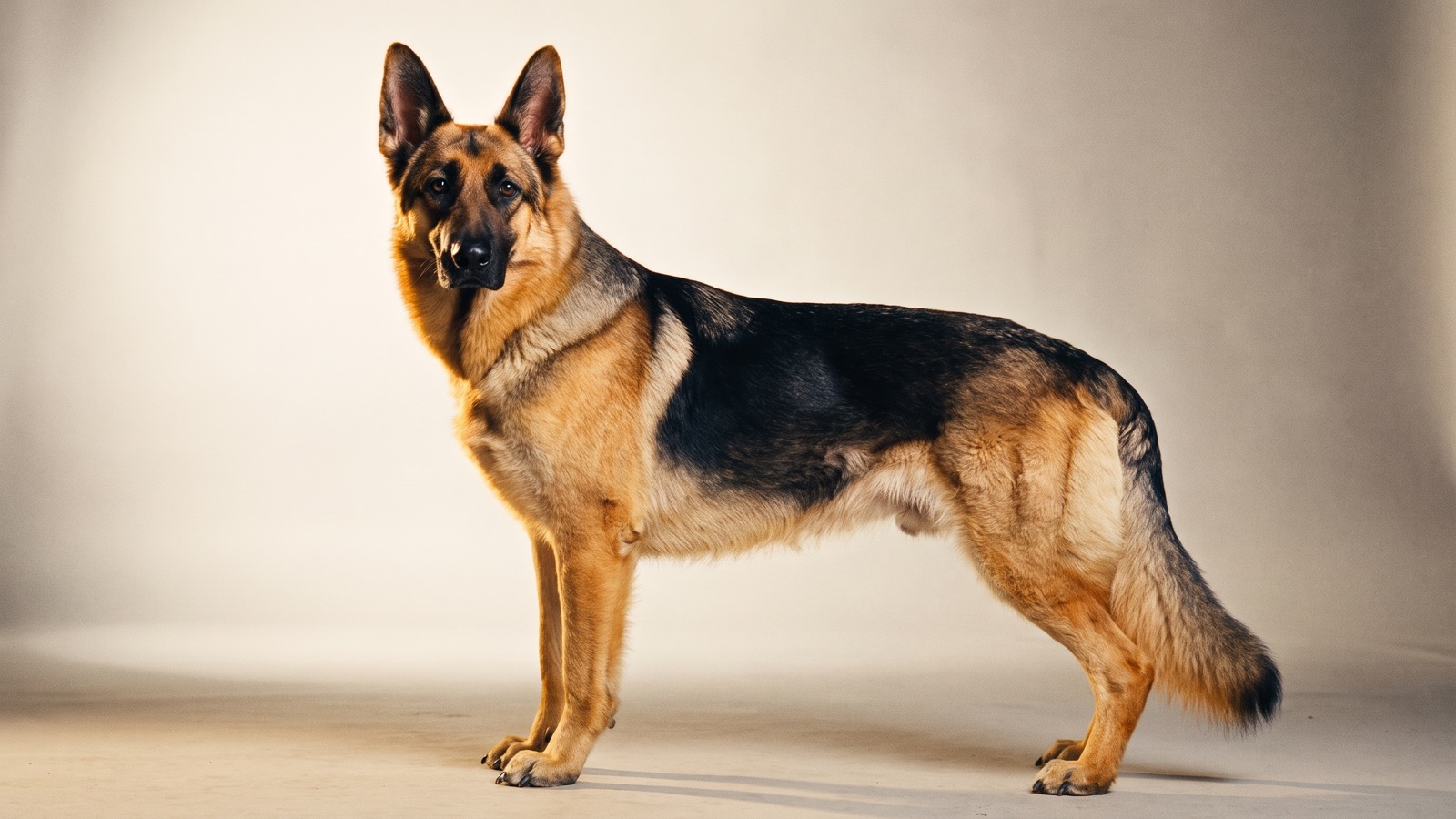
- Natural shedding cycles: Shedding undercoat in double-coated breeds tangles with topcoat.
- Friction and pressure: Collars, harnesses, and favorite nap spots create rubbing and tangles.
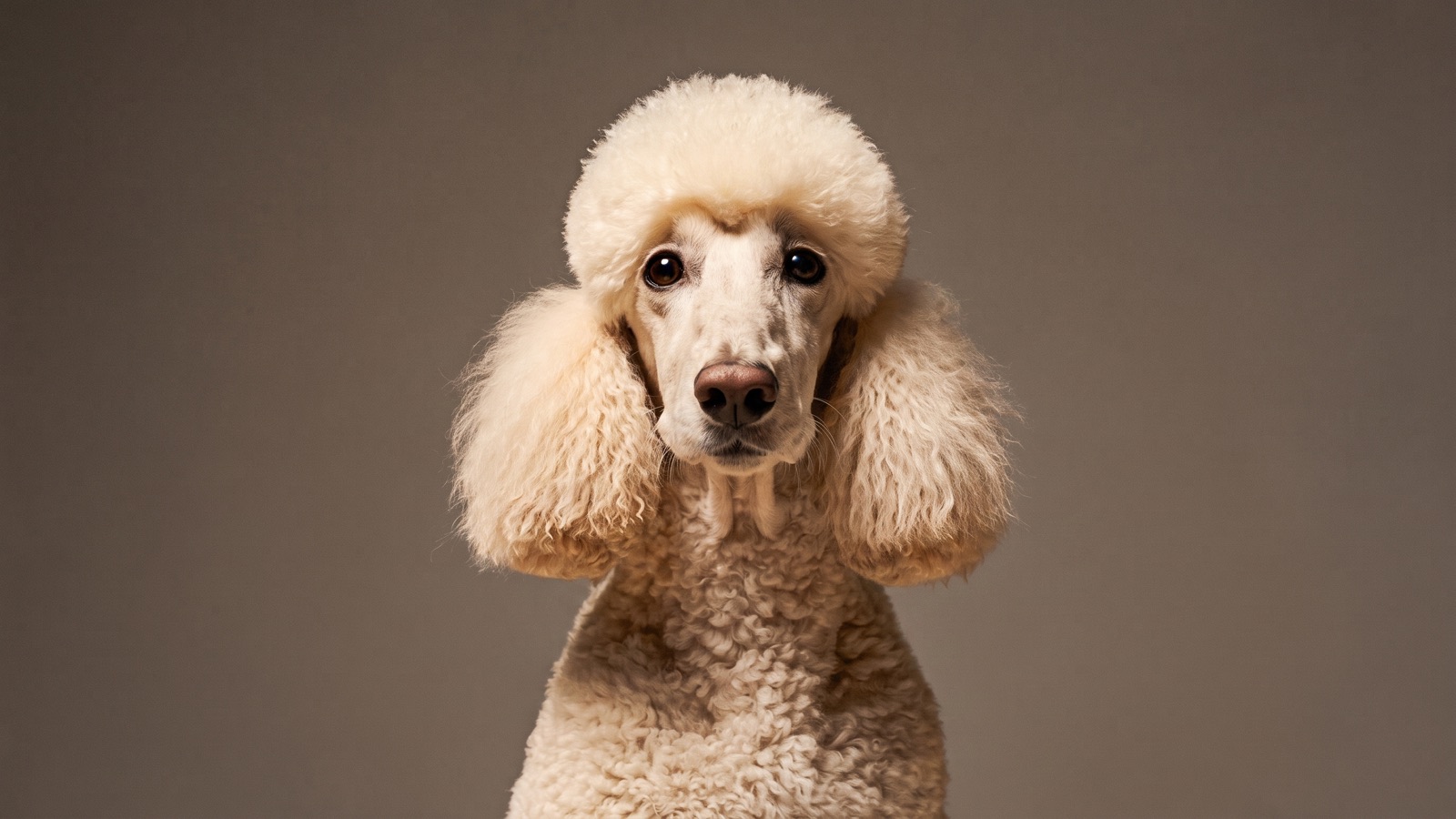
- Curly and wavy coats: Doodles, poodles, and other curly-coated pups naturally interlock hair.
The Physical Risks of Matting
Mats are more than cosmetic. They change how the skin and coat function and can impact a dog’s daily comfort and movement.
1) Skin Irritation and Hot Spots
When hair mats, it pulls on sensitive skin and creates constant pressure. This can lead to redness, irritation, and areas of raw, damp skin often called “hot spots.” Dogs might lick, chew, or scratch these areas, which can make discomfort worse.
2) Trapped Moisture and Debris
Mats hold onto moisture from baths, rain, or playtime. Trapped moisture plus limited air flow creates a warm environment where skin can become soggy and irritated. Dirt and dander can also get stuck, making the skin underneath feel itchy and uncomfortable.
3) Restricted Movement and Circulation
Tight mats in armpits, behind knees, and around the tail can tug with every step, jump, or stretch. Over time, this can limit range of motion and make everyday activities—like going for a walk or hopping onto the couch—unpleasant. In severe cases, mats can affect circulation to the skin beneath.
4) Painful Brushing and Handling
Once mats form, brushing can be uncomfortable without the right technique and tools. Dogs may flinch or try to avoid touch because the hair is literally stuck to itself and sometimes to sensitive skin. This is one reason prevention is so important.
5) Hidden Skin Concerns
Mats can hide what’s going on underneath—like redness, small abrasions, or bug bites—which makes it harder for you to spot irritation early. The longer a mat stays in place, the more the skin beneath can struggle to “breathe.”
6) Ear, Paw, and Sanitary Area Issues
- Ears: Mats at the base of the ear can be particularly painful and may pull with head shakes or scratches.
- Paws: Hair between pads can knot tightly, catching debris and making walking uncomfortable.
- Sanitary areas: Mats trap moisture and debris, which can lead to soreness and hygiene concerns.
The Emotional and Behavioral Toll of Matting
Dogs communicate with their bodies. When coat care becomes uncomfortable, it can change how they feel and behave day to day.
1) Chronic Discomfort Leads to Stress
Constant pulling or skin tenderness can cause dogs to feel on edge. You may notice restlessness, sighing, avoiding touch, or less enthusiasm for play and cuddles.
2) Grooming Aversion
If brushing consistently hurts because of mats, dogs can learn to fear the brush, the bath, and the grooming table. Over time, this can turn a routine care session into a battle of nerves for both of you.
3) Sensitivity to Touch
Dogs who have lived with tight mats may become protective of certain areas—like their ears, armpits, or tail—because those spots have hurt in the past. This is a natural, self-protective response, not “bad behavior.”
4) Changes in Social Confidence
When moving, stretching, or being petted feels uncomfortable, some dogs withdraw and interact less, especially with active playmates. Others might get snappy when another dog or a person brushes against a tender spot.
5) Sleep and Relaxation Disruption
Mats can make it hard to get comfortable. If your dog can’t relax without tugging at tight hair, they may fidget at night and nap more lightly during the day.
Why De-Matting Can Hurt (and How Professionals Reduce Pain)
De-matting is not just “brushing harder.” Pulling at a mat can tug skin and hair follicles. That’s why professionals take a careful, comfort-first approach using proper tools, products, and techniques.
- Skin stabilization: Gently holding the hair close to the skin reduces tugging while working out small tangles.
- Line-brushing technique: Brushing and combing the coat in small, methodical sections from skin outward, not just surface brushing.
- Detangling products: Professional sprays and conditioners help the hair slide, so fewer pulls are needed.
- Time limits and breaks: If a dog is uncomfortable, the humane choice is short sessions with breaks—or choosing a shorter haircut instead of prolonged de-matting.
- Clip-down when appropriate: When mats are severe or close to the skin, a short, fresh start is safer and kinder than extensive brushing.
At Dapper Doodle Grooming, we prioritize low-stress, dog-first care. That sometimes means recommending a shorter trim to protect your dog’s comfort and skin health. A reset cut today can set you up for a healthy, fluffy coat a few weeks from now.
Humane Solutions for Severe Matting
If your dog’s coat is badly matted, please know you’re not alone and you’re not a “bad dog parent.” Life happens. The kindest, most comfortable fix is usually a short haircut—especially in sensitive areas or when mats are tight to the skin. This approach:
- Minimizes pain and stress
- Protects delicate skin
- Lets you restart a healthy brushing routine on a clean slate
After a reset haircut, we can create a maintenance plan—bath-and-brush visits, de-shedding treatments for heavy shedders, and coat-length schedules to match your dog’s lifestyle and your preferred look.
Preventing Mats: A Gentle, Realistic Home Routine
Prevention is the most comfortable path for your dog and the most budget-friendly for you. Here’s a simple routine most families can maintain:
- Brush by coat type: Use a slicker brush for curly/wavy coats and a metal comb to check for hidden tangles. For double coats, use an undercoat rake followed by a slicker. Always finish with a comb—it tells the truth.
- Line-brush in small sections: Part the coat to the skin and brush outward in short, gentle strokes. Move section by section rather than skimming the top.
- Dry thoroughly after any wet play or bath: Damp hair mats faster. Towel, then blow-dry on a low, warm setting while brushing in sections.
- Collar and harness checks: Remove for brushing and make sure hair underneath isn’t tangling. Consider a rolled or well-fitted collar for less friction.
- Comb high-friction zones daily: Behind ears, chin, armpits, tail, rear, and paws—just a quick pass with the comb.
- Use treats and praise: Pair brushing with calm words and small rewards. Short, happy sessions build lifelong grooming confidence.
Coat-Specific Tips
- Doodles, poodles, and curly/wavy coats: Brush and comb at least 3–4 times per week. Keep hair clean and fully dried. Schedule full-service dog grooming every 4–8 weeks depending on length.
- Double-coated breeds (shedders): Weekly brushing year-round, plus extra during spring and fall sheds. De-shedding treatments help remove impacted undercoat and reduce matting.
- Silky and long coats: Daily light comb-throughs to prevent tangles behind ears and along the chest and legs; keep ends conditioned.
- Wire coats: Regular brushing and periodic professional care to manage texture and prevent tight knots at the roots.
Puppies and Seniors: Special Considerations
Puppies: Baby coats change quickly, and new routines are still forming. Keep sessions short and positive—touch paws, ears, and tail gently while offering treats. Early “puppy introductions” with a groomer build comfort that lasts a lifetime.
Senior dogs: Older pups may have thinner skin, stiffness, or health considerations that make long de-matting sessions unkind. Frequent light brushing at home and regular, low-stress professional grooming are safer and more comfortable.
How Professional Grooming Helps Prevent Matting
Professional grooming is more than a haircut. It’s a comfort and health routine for your dog’s skin and coat. With regular visits, we can:
- Catch small tangles early, before they tighten
- Fully dry and brush after baths to prevent new mats
- Trim to practical lengths that fit your schedule and your dog’s activity level
- Keep ears, paws, and sanitary areas tidy and comfortable
- Provide nail trimming so your dog moves comfortably and weight-bears correctly
If you’re in the Springfield, Missouri area, our team at Dapper Doodle Grooming offers full-service dog grooming, baths and blowouts, de-shedding treatments, puppy introductions, and senior dog grooming—with a calm, dog-first approach.
What to Expect If Your Dog Is Matted at Check-In
Every dog is different, but here’s our typical, comfort-focused process:
- Gentle assessment: We use a comb to check how close mats are to the skin and where they’re located.
- Discuss options: We’ll explain what’s humane and realistic: targeted de-matting for small tangles, or a shorter haircut where mats are tight.
- Stress management: Calming handling, breaks as needed, and products that help the coat slide.
- Aftercare plan: Guidance on brushing, tools, bath schedules, and coat length so you can maintain the look you love without stress.
We’ll never judge—our priority is your dog’s comfort, safety, and a positive grooming experience.
Gentle Red Flags: Signs Your Dog Needs Coat Care Now
- Comb won’t pass easily to the skin in one or more areas
- “Pilling” or clumps behind ears, in armpits, or on the chest
- Coat looks fuzzy but feels tight or lumpy near the skin
- Dog flinches, licks, or moves away when you brush a certain spot
- Odor or dampness that lingers even after a bath
- Redness, rubbing, or tenderness in high-friction zones
FAQs About Matting and Comfort
Is it okay to cut out a mat at home?
We don’t recommend using scissors close to the skin; it’s easy to nick delicate areas, especially where mats are tight. Safer options are a professional evaluation or, for small tangles, gentle detangling with the right brush, comb, and product.
How often should my dog be groomed to prevent mats?
It depends on coat type, length, and lifestyle. Many curly or long-coated dogs do well with professional grooming every 4–8 weeks plus at-home brushing several times a week. Double-coated dogs benefit from routine bath-and-brush or de-shedding services, especially during seasonal sheds.
Will a “shave down” damage the coat?
When a coat is severely matted, clipping short protects skin and reduces pain. Hair grows back, and we can plan a length and schedule that supports the look you love while staying comfortable for your dog.
Could mats be a sign of a health issue?
Mats are usually caused by coat maintenance challenges, friction, moisture, or seasonal shedding. If you notice skin changes, soreness, or anything that concerns you, consult your veterinarian for medical guidance, and we can coordinate gentle grooming care around their recommendations.
A Compassionate Path Forward
Matting happens—even to the most loved dogs. What matters is moving forward with kind, practical care. With the right tools, a simple routine, and a calm grooming plan, your dog can feel comfortable in their skin and confident on the grooming table.
If you’d like personalized guidance or a fresh start for a matted coat, we’re here to help. Visit Dapper Doodle Grooming, call us at (417) 496-1588, or stop by 1929 E Independence St, Springfield, MO 65804. Together, we’ll create a stress-free grooming routine that keeps your dog looking and feeling their best.
Quick At-Home Checklist
- Brush and comb high-friction areas daily; full-body line-brush 2–4 times per week based on coat
- Always dry thoroughly after baths, rain, or swimming
- Check under collars and harnesses; remove for brushing
- Schedule regular professional grooming to catch tangles early
- Use treats, praise, and short sessions to keep grooming positive
Your dog’s comfort comes first—always. That’s the heart of our approach at Dapper Doodle Grooming in Springfield, MO: gentle handling, clean and cozy spaces, and expertise you can trust for puppy grooming, adult coat care, and senior dog grooming alike. When mats show up, we’ll meet them with compassion and a plan.