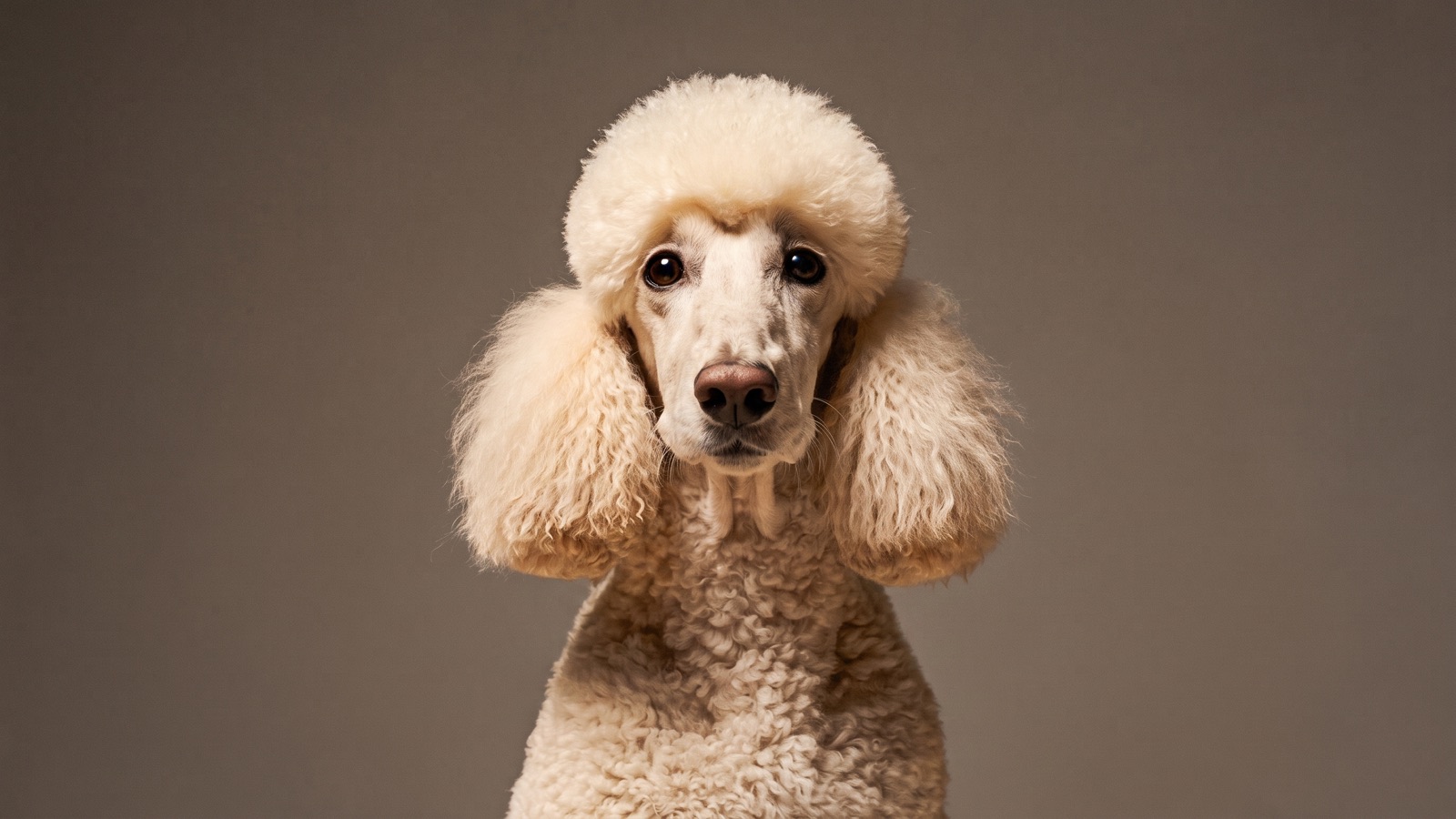
Why Matting Is a Health Risk Not Just a Cosmetic Issue
If you share your life with a long-haired dog, you already know their coat is part of their charm—and a big part of their care.

Matting in Long-Haired Dogs: Why It’s Risky and How to Prevent It (Kindly, Humanely, and for Good)
If you share your life with a long-haired dog, you already know their coat is part of their charm—and a big part of their care. From silky setters and flowing doodles to feathery spaniels and glamorous small breeds, long coats can tangle and mat quickly. While a few small tangles might seem harmless, matting can create real health and comfort issues for dogs. At Dapper Doodle Grooming in Springfield, MO, we take a dog-first approach to preventing and addressing mats with gentle, professional grooming and practical coaching for home care.
In this guide, we’ll explain what matting is, why it’s more than a cosmetic problem, how to spot it early, and the best ways to keep your long-haired dog’s coat comfortable, healthy, and beautifully maintained all year long.
What Is Matting—and Why Does It Happen?
Matting is what happens when loose hair, dirt, moisture, and friction combine to form tight, dense knots in your dog’s coat. Unlike simple tangles (which you can often brush out easily), mats are compacted and typically involve multiple layers of hair—including those close to the skin. Left alone, mats can spread, tighten, and eventually form a “pelted” coat that’s fused together like a thick blanket.
Common causes of matting
- Friction points: Collars, harnesses, ear flaps, armpits, and behind the knees are high-risk zones.
- Moisture and humidity: Bathing without fully drying, swimming, or damp weather can “set” tangles into mats.
- Seasonal coat changes: Shedding hair gets trapped in longer coats and tangles with live hair.
- Lack of thorough brushing: Light surface brushing can gloss over mats that sit closer to the skin.
- Activity level: Playtime, rolling, and adventures are great—but they add to friction and debris in the coat.
Why Matting Is Dangerous (It’s More Than a Bad Hair Day)
Mats don’t just make coats look messy; they can create pain, skin problems, and mobility issues. Here’s why staying ahead of them matters.
- Skin irritation and hot spots: Mats pull on the skin constantly, trapping heat and moisture. This can cause redness, rashes, and hot spots.
- Hidden sores and infections: Under mats, the skin can’t breathe. Irritation can progress to sores that you may not see until they’re serious.
- Pain and restricted movement: Tight mats in armpits, groin, and behind knees tug with every step and can make walking or lying down uncomfortable.
- Circulation and pressure issues: Severe matting can compress skin, leading to poor air circulation, tender spots, and swelling.
- Parasites and debris: Fleas, burrs, foxtails, and dirt can hide inside mats, worsening irritation and making them harder to remove.
- Ear and tail concerns: Mats on ear leathers can be especially painful; tail mats often trap waste and moisture.
- Grooming risks if ignored: The more severe the matting, the fewer humane options there are for removal. Extensive dematting can be painful—sometimes a close, safe clip is the kindest choice.
Where Mats Commonly Hide on Long-Haired Dogs
Even with regular brushing, these “hot spots” deserve extra attention:
- Behind the ears and along the ear edges
- Under the collar or harness, and along the chest where a harness rubs
- Armpits, inner thighs, and behind the knees
- Feet and between toes, especially with feathery hair
- Tail and rear end (sanitary area)
- Neck ruff and undercarriage on breeds with longer furnishings
How to Tell If Your Dog’s Coat Is Matted
Your hands are your best tools. Try these quick checks:
- Comb test: After brushing, use a stainless steel comb. If it won’t glide to the skin in multiple areas, there may be mats beneath the surface.
- Pinch-and-lift test: Gently lift small sections of coat. If the hair feels dense, tight, or stuck in clumps, you’re likely feeling mats.
- Movement check: Watch how your dog moves. Hesitation to sit, lick/chew at certain spots, or flinching when touched can signal discomfort from matting.
If you find pelted areas (a sheet-like, fused coat), please avoid cutting them out at home. Skin can be pulled into mats and is easy to nick. A professional groomer can remove them safely.
Safe, Humane Dematting: What Dog Parents Should Know
At Dapper Doodle Grooming, we prioritize comfort and skin health over long hair at any cost. That means we’ll assess your dog’s coat and choose the lowest-stress path forward.
When gentle dematting is appropriate
- Localized or light mats that can be worked out gradually with pause breaks
- Coats that pass the comb test in most areas
- Dogs who remain relaxed and comfortable during the process
When a close clip is the kindest option
- Pelted coats or extensive matting close to the skin
- Mats in sensitive areas (ears, armpits, sanitary) where dematting would be painful
- Dogs who are anxious or uncomfortable—prioritizing a fresh, healthy start over lengthy dematting
There’s no shame in a reset. A smooth, clean clip with healthy skin is better for your dog than prolonged discomfort. Once we reset the coat, we’ll set up a maintenance plan to grow it out safely and prevent future mats.
Bathing and Drying: The Make-or-Break Step
Water can tighten tangles into mats. If your long-haired dog is even slightly tangled before a bath, those tangles can lock down as the coat dries—especially if it air-dries in a damp clump.
- Brush and comb before the bath to remove loose hair and tangles.
- Use a canine-safe shampoo and conditioner for slip and coat protection.
- Dry thoroughly—ideally with a blow dryer on a cool or warm setting, brushing as you dry to keep hair straight and untangled.
- Don’t skip the comb after drying. A brush can “fluff”; a comb confirms the coat is truly tangle-free down to the skin.
If blow drying at home stresses your dog, keep sessions short and gentle, offer rewards, and consider professional grooming for a complete bath-and-blowout on a regular schedule.
Home Tools We Recommend for Long-Haired Coats
Quality tools make a big difference in preventing mats between professional grooming visits.
- Slicker brush: For everyday maintenance and fluffing through furnishings and body coat.
- Stainless steel comb (coarse and fine): The gold standard for verifying tangle-free hair all the way to the skin.
- Detangling spray: Adds slip and reduces breakage; apply lightly before brushing.
- Undercoat rake (for long double coats): Helps remove trapped shed hair that can cause tangles.
- Blow dryer with adjustable settings: Speeds drying while you brush to prevent post-bath matting.
Skip scissors for mat removal at home—skin can be pulled into a mat, and accidental cuts are a common emergency. When in doubt, let a professional help.
Line Brushing: The Groomer’s Secret for Tangled-Prone Coats
Line brushing is a simple technique that keeps long hair manageable:
- Lay your dog comfortably on a non-slip surface.
- Starting at the feet, lift a thin “line” of hair and brush the hair below that line outward with a slicker brush.
- Move up the body in small sections, brushing and then checking each section with your comb.
- Repeat for legs, chest, belly, tail, and ears, paying attention to friction areas.
Done a few times a week (or daily for very mat-prone coats), line brushing keeps tangles from forming and makes professional grooming faster and more comfortable for your dog.
How Often Should Long-Haired Dogs Be Groomed?
Frequency depends on coat type, lifestyle, and your styling goals. As a general guide:
- Every 4–6 weeks: Full-service grooming if you prefer a longer, styled coat or breed-specific trim.
- Every 6–8 weeks: For shorter, low-maintenance trims.
- Every 2–4 weeks: Bath, blowout, and tidy for active dogs or those prone to matting.
- Home maintenance: Brush and comb 3–7 times per week depending on coat length and friction areas.
Regularity is your best insurance against matting. If you’re unsure what schedule suits your dog’s coat, we’re happy to customize a plan that fits your routine and goals.
Puppy Coats: Start Early to Make Grooming Easy
Long-haired puppies are adorable—and they’re also learning how to be groomed. Early, positive experiences around brushing, combing, gentle drying, nail trims, and sanitary tidy-ups set the stage for a lifetime of stress-free grooming.
- Introduce a brush and comb for a few relaxed minutes daily, followed by praise or a small treat.
- Touch ears, paws, and tail calmly so those areas feel normal to your pup.
- Keep sessions short and end on a positive note—comfort beats perfection.
Professional puppy grooming introductions help build confidence and make future mat prevention easier. If you’re in Springfield, our team offers gentle first visits focused on comfort and trust.
Senior Dogs and Matting: Special Care for Aging Coats
Senior dogs can mat faster due to changes in coat texture, reduced mobility, and increased napping. They also deserve extra comfort and shorter sessions. Our approach for older dogs:
- Prioritize low-stress handling and frequent, shorter appointments.
- Choose humane clip options over lengthy dematting.
- Focus on skin health, cleanliness, and traction with neat feet and nails.
With thoughtful scheduling and gentle care, seniors can stay clean, comfortable, and mat-free without tiring visits.
Breed and Coat Nuances: Not All Long Hair Is Alike
“Long-haired” can mean different things across breeds and mixes. Tailoring care to the coat matters:
- Silky and drop coats (e.g., many spaniels and small companion breeds): Need frequent combing and careful drying to keep hair smooth and tangle-free.
- Wavy/curly coats (e.g., doodles, poodles): Tend to knot quickly; consistent line brushing and regular trims are key.
- Long double coats (e.g., collies, shelties): Undercoat rakes plus combing prevent shed hair from forming mats at the skin.
Our stylists can recommend the right length, tools, and schedule based on your dog’s unique coat and lifestyle.
Professional Help vs. DIY: When to Call a Groomer
Some matting can be managed at home with good tools and a consistent routine. Call a professional if:
- You feel dense clumps at the skin or see sheet-like “pelted” areas.
- Your dog seems uncomfortable or sensitive to brushing.
- Mats are near sensitive spots (ears, armpits, sanitary area).
- You’re unsure how to bathe and fully dry without tightening tangles.
Our full-service dog grooming in Springfield, MO includes dog baths and blowouts, de-shedding treatments, breed-specific trims, puppy introductions, and senior-friendly care—all with a calm, dog-first philosophy.
What to Expect at Dapper Doodle Grooming
We combine professional skill with a soothing environment to help dogs feel safe and supported during grooming.
- Thorough coat assessment: We check for mats, skin concerns, and comfort level before we begin.
- Comfort-first dematting: We’ll remove light tangles gently. If a closer clip is the most humane option, we’ll explain why and map out a plan to grow the coat back beautifully.
- Clean, calm, and low-stress handling: Our team works at your dog’s pace, building trust with positive, reassuring care.
- Education you can use: We’ll show you how to line brush, which tools to use, and how often to maintain between visits.
- Customized schedules: From frequent baths and blowouts to full grooming every 4–6 weeks, we tailor services to your dog’s coat and your goals.
Simple Routine to Prevent Mats Between Appointments
A little consistency goes a long way. Try this weekly rhythm for long-haired coats:
- Daily (or every other day): Quick slicker brush-through on friction zones—behind ears, armpits, collar/harness areas, tail.
- 2–4 times per week: Line brush the body and furnishings; follow with a comb to the skin.
- After outdoor adventures or rain: Towel dry, detangling spray if needed, and a brief brush to prevent damp tangles from setting.
- Every 2–4 weeks: Professional bath and blowout if you want to keep a longer style with minimal matting.
If life gets busy (it happens!), schedule a maintenance visit before tangles become mats. It’s easier on your dog and your budget.
FAQs About Matting and Long-Haired Dog Care
Will shaving “ruin” my dog’s coat?
Not necessarily. In severe matting, a close clip may be the safest and most comfortable option. Some coats grow back exactly as before; others may change texture or take time to rebalance. We’ll guide you on the best aftercare and a prevent-matting plan going forward.
Can I cut out mats with scissors?
We don’t recommend it. Skin can be drawn into tight mats, making accidental cuts likely. Seek professional help for safe removal.
How long can I keep my dog’s coat and still avoid mats?
With very consistent brushing, combing, and drying, many dogs can maintain longer styles. The longer the coat, the more frequent the upkeep. If you prefer a lower-maintenance routine, we can suggest a stylish but shorter trim.
Is dematting painful?
Light, careful detangling may be tolerated well; heavy dematting can be uncomfortable and stressful. We prioritize your dog’s wellbeing and recommend humane alternatives when needed.
Always consult your veterinarian for medical concerns. Grooming supports skin and coat health but doesn’t replace veterinary care.
Gentle, Professional Dog Grooming in Springfield, MO
Dapper Doodle Grooming is proud to serve local dog parents with stress-aware, professional dog grooming services designed around comfort, cleanliness, and long-term skin and coat health. If you’re battling matting—or want to prevent it before it starts—we’re here to help with compassionate care, thoughtful styling, and practical guidance you can use at home.
Ready for a fresher, happier coat? Learn more and get in touch at Dapper Doodle Grooming, visit us at 1929 E Independence St, Springfield, MO 65804, or call (417) 496-1588.
Key Takeaways
- Matting is more than cosmetic—it can cause skin irritation, pain, and restricted movement.
- Prevention is the easiest path: consistent line brushing, thorough drying, and smart grooming intervals.
- Gentle dematting is only appropriate for mild tangles; severe mats are best handled with a kind, close clip.
- Puppies and seniors benefit from tailored, low-stress grooming plans.
- Professional support keeps coats healthy and comfortable—especially for long-haired dogs in active families.
From de-shedding and bath-and-blowouts to breed-specific trims and puppy introductions, our team is here to support a lifetime of comfortable, mat-free coats. If you’re looking for trusted, stress-aware dog grooming in Springfield, MO, we’d love to meet you and your pup.