Why Regular Brushing Matters More Than You Think
Life is full—work, kids, errands, and trying to squeeze in a walk before dinner. We see you.
The Busy Dog Parent’s Guide to Brushing: Big Benefits in Just Minutes a Week
Life is full—work, kids, errands, and trying to squeeze in a walk before dinner. We see you. As dog-loving groomers in Springfield, MO, we talk to busy owners every day who want their pups to look and feel their best but don’t have hours to spare. Here’s some great news: a few short brushing sessions each week can transform your dog’s coat and skin health, dramatically reduce shedding and matting, and make every professional grooming appointment easier and less stressful.
At Dapper Doodle Grooming, our calm, dog-first approach focuses on simple routines that fit real life. This guide explains why brushing matters, how to do it quickly and comfortably, and how to tailor a routine to your dog’s coat type—so you can spend less time cleaning up fur and tangles and more time enjoying your best friend.
Why Brushing Matters (Even When You’re Short on Time)
Brushing isn’t just a beauty step—it’s a health habit with rewards that add up quickly, especially for busy owners. Here’s what a consistent brushing routine does for your dog:
- Distributes natural oils for a healthy, shiny coat and comfortable skin.
- Reduces shedding by capturing loose hair before it lands on your clothes, couch, and car.
- Prevents matting (tangled clumps of hair) that can pull on the skin and hide irritation.
- Supports skin health by lifting dirt and dander and allowing air to reach the skin.
- Early checkups at home: you’ll spot burrs, dry patches, lumps, hot spots, or fleas sooner.
- Strengthens your bond when you keep sessions positive, short, and reward-based.
- Saves time and money: less mess at home and smoother, quicker professional grooms.
Think of brushing like toothbrushing—small, consistent efforts beat occasional big efforts every time.
How Brushing Helps Different Coat Types
Not all coats are the same, and a few minutes of the right kind of brushing goes a long way. Use these quick guidelines to brush smarter, not longer.
Smooth or Short Coats (e.g., Boxers, Beagles)
- Frequency: 2–3 times per week
- Tools: Rubber curry brush for loosening and a soft bristle brush to finish
- Benefit: Removes shed hair and boosts shine without over-brushing
Double Coats (e.g., Labs, Shepherds, Huskies)
- Frequency: 3–4 times per week during shedding seasons (spring and fall); 1–2 times weekly otherwise
- Tools: Undercoat rake plus a slicker brush or de-shedding tool; finish with a comb in feathered areas
- Benefit: Removes dense undercoat to reduce tumbleweeds and keep skin comfortable
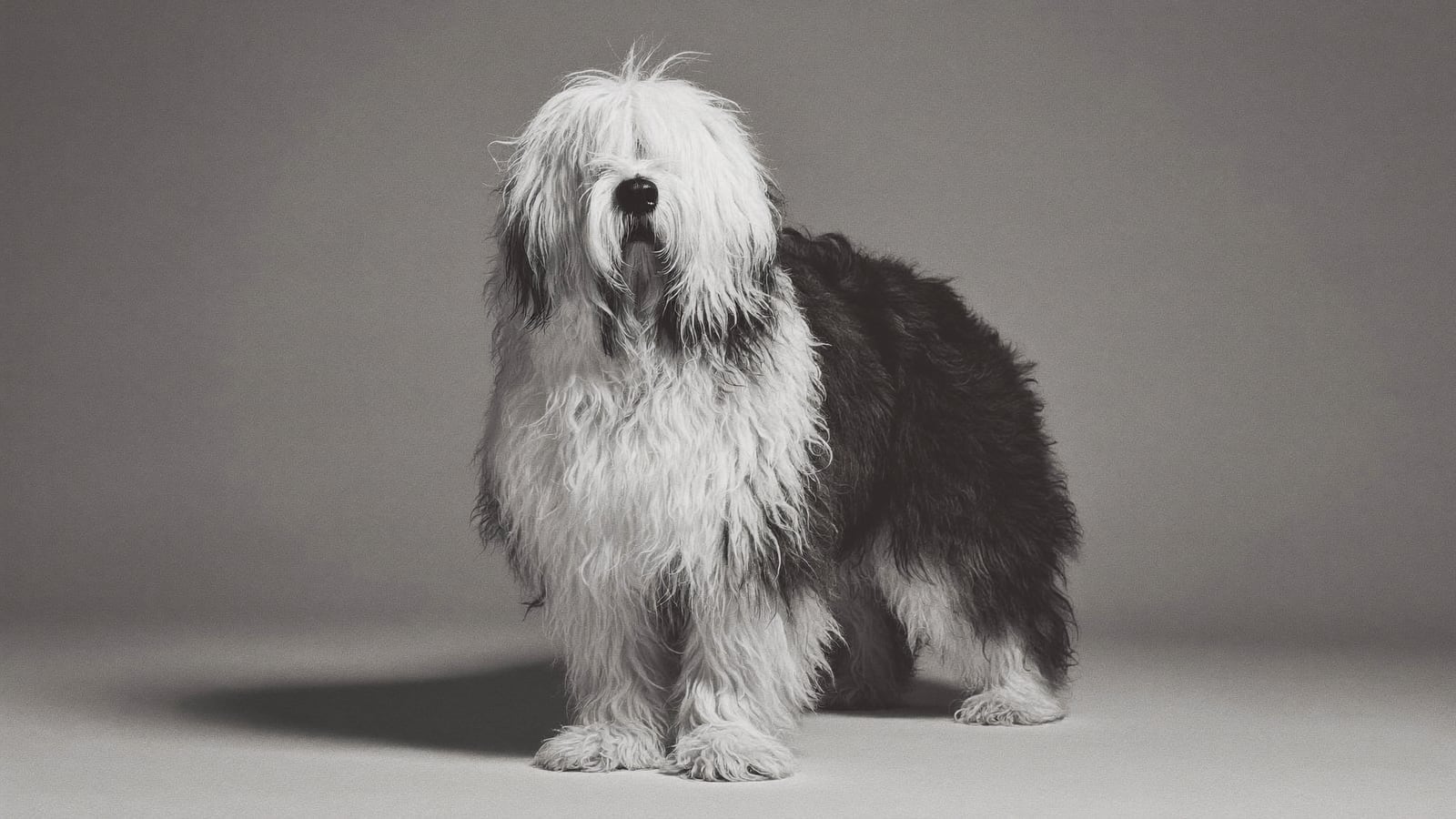
Long or Silky Coats (e.g., Yorkies, Spaniels, Setters)
- Frequency: Daily or every other day
- Tools: Pin brush for body, metal comb for ears/feathers/tail
- Benefit: Prevents mats from forming behind ears, under armpits, and in feathering
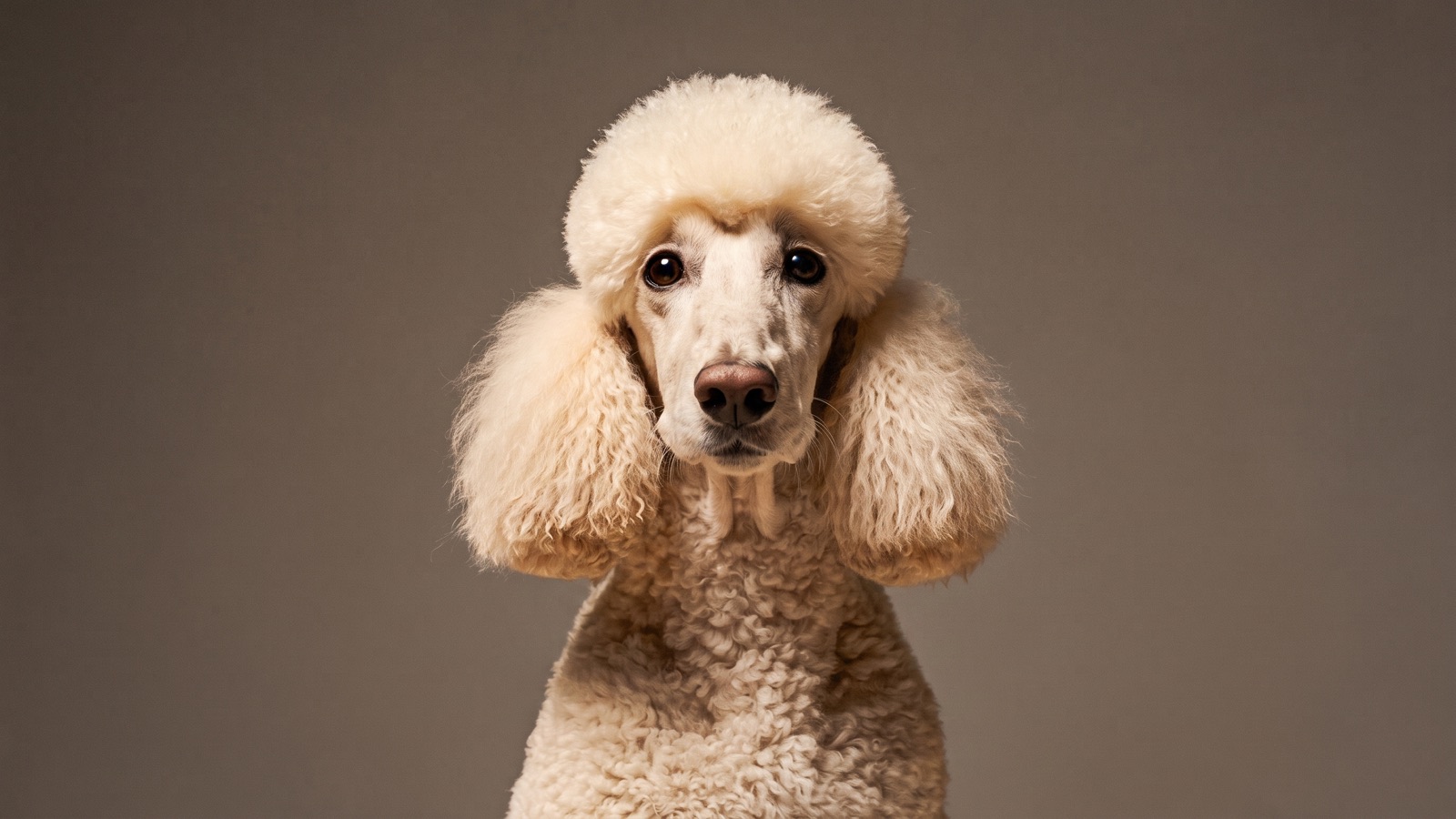
Curly or Wavy Coats (e.g., Poodles, Doodles, Bichons)
- Frequency: Daily to every other day
- Tools: Slicker brush for fluff, metal comb to confirm you’re mat-free down to the skin
- Benefit: Avoids painful matting, supports healthier skin, and keeps professional haircuts on schedule
Wire Coats (e.g., Terriers)
- Frequency: 2–3 times per week
- Tools: Slicker brush and comb; carding tools as recommended by your groomer
- Benefit: Keeps texture tidy and helps manage seasonal shedding
Note: If you notice skin irritation, sores, or sudden hair loss, stop brushing that area and contact your veterinarian for guidance.
Busy-Life Brushing: The Five-Minute Routine
If grooming feels like “one more thing,” start with our Five-Minute Routine. It’s realistic, easy to remember, and effective.
- Set the scene: Choose a quiet spot, offer a small treat, and keep tools handy.
- Start with high-impact zones: Brush areas that tangle and shed most—behind ears, armpits, chest, trousers, tail, and where the collar sits.
- Work in the direction of hair growth: Short, gentle strokes. For curly coats, use a slicker to lift hair, then comb to skin to confirm there are no tangles.
- Do a quick “comb check”: Can a metal comb pass smoothly from skin to tip in key areas? If yes, you’re good.
- End on a win: Stop before your dog gets wiggly. Praise, treat, and you’re done.
Consistency beats perfection. Five minutes, a few times a week, builds a healthy habit for you and your dog.
Time-Saving Habits That Actually Work
- Habit stack: Brush during your coffee brew, after the evening walk, or while the kids read before bed.
- Micro-sessions: One minute per “zone” (ears today, tail tomorrow). It all adds up.
- Keep a kit by the leash: A small brush and comb near the door cues quick touch-ups after walks.
- TV break rule: One commercial break equals a brush break.
- Use reminders: Calendar alerts or a sticky note by the treats help you stay consistent.
Brushing Do’s and Don’ts
- Do start slow and keep it positive—short sessions with praise and small treats.
- Do hold the skin gently near a tangle so you’re not pulling.
- Do brush before bathing—water tightens mats and makes tangles worse.
- Do use the right tool for your dog’s coat.
- Don’t brush aggressively or dig into the skin.
- Don’t ignore small knots—mats grow quickly in friction zones like armpits and behind ears.
- Don’t wait until your dog is matted to start brushing; prevention is faster and kinder.
Tools, Simplified: What Busy Owners Actually Need
You don’t need a drawer full of gadgets. A few well-chosen tools make brushing fast and effective.
- Rubber curry brush: Great for short coats; loosens shed hair and stimulates skin.
- Bristle brush: Quick finish for shine on smooth coats.
- Slicker brush: Go-to for curly/wavy and long coats; lifts hair and loosens tangles.
- Pin brush: Gentle detangling on longer or silky coats.
- Undercoat rake: Essential for double-coated breeds during shedding season.
- Metal comb: The “truth teller”—if the comb passes from skin to tip, you’re truly tangle-free.
Not sure what to use? Bring your current tools to your next appointment at Dapper Doodle Grooming and we’ll show you how to get the most from them.
Seasonal Shedding and How Brushing Helps
Most dogs shed all year, but many double-coated breeds “blow coat” heavily in spring and fall. Regular brushing during these times:
- Removes dense undercoat that traps heat and dander
- Keeps skin comfortable and reduces itchiness from trapped hair
- Prevents matting and hot spots from tightly packed fur
- Reduces vacuuming and lint-rolling around your home
Pair at-home brushing with a professional de-shedding treatment for maximum results and minimal mess. If you’re in Springfield, MO, our team provides gentle, thorough de-shedding with a calm, low-stress approach.
Special Considerations: Puppies and Senior Dogs
Puppies
The goal is confidence, not perfection. Keep “brush school” short, sweet, and frequent.
- Handle paws, ears, and tail gently while offering treats—just seconds at a time.
- Use a soft brush and stop while your puppy is still happy.
- Introduce sounds gradually (like a low dryer at a distance) so grooming days feel familiar later.
Early, positive introductions at home make puppy’s first professional grooming smoother and less stressful.
Senior Dogs
Older pups often have thinner skin and may be sensitive in hips or shoulders.
- Use softer brushes and lighter pressure.
- Work on a non-slip mat so your dog feels secure.
- Break sessions into very short segments with plenty of praise.
If your senior dog seems uncomfortable or you notice skin changes, check with your veterinarian and let us know so we can adjust our approach at the salon.
How Often Should You Brush? A Quick Guide
- Smooth/short coats: 2–3 times per week
- Double coats: 3–4 times per week during shedding seasons; 1–2 times otherwise
- Long/silky coats: Daily or every other day
- Curly/wavy coats: Daily to every other day, with a comb check
- Wire coats: 2–3 times per week
Remember, frequency can shift with lifestyle and season. Outdoor adventures, swimming, and rain usually mean a little more brushing.
What Brushing Reveals: When to Call a Pro (or the Vet)
Regular brushing helps you notice changes quickly. Here’s what to do if you spot:
- Mild tangles or seasonal shedding: Book a professional bath, blowout, and de-shedding to reset your routine.
- Mats you can’t separate with a comb: Stop brushing and schedule a groom; pulling at mats can hurt the skin.
- Skin redness, sores, or intense itchiness: Pause brushing and consult your veterinarian for medical guidance.
- New lumps or sensitive spots: Note the location and ask your vet to take a look.
Our team is happy to help you decide what’s best—whether that’s a maintenance tidy, a full-service groom, or a referral to your vet.
How Brushing Makes Professional Grooming Easier
Consistent brushing means faster, calmer salon visits. Your dog is used to handling, mats are less likely, and our groomers can focus on a beautiful, comfortable finish. At Dapper Doodle Grooming, we offer:
- Full-service dog grooming with gentle, expert handling
- Dog baths and blowouts for a clean, fluffy reset
- De-shedding treatments to manage heavy shedding seasons
- Haircuts and breed-specific trims tailored to your dog’s lifestyle
- Puppy introductions focusing on positive, low-stress experiences
- Senior dog grooming with extra comfort and care
We’re committed to a clean, calm environment where dogs feel safe and owners feel informed.
Quick FAQs for Busy Dog Owners
Will brushing make my dog shed more?
No—brushing removes hair that’s already released from the follicle. The result is less loose hair in your home and on your clothes.
How do I know if I’m brushing “to the skin” safely?
Use gentle pressure and follow with a metal comb. If the comb glides from skin to tip without snagging, you’re there. If not, work in small sections and hold the hair near the skin to avoid pulling.
Can I brush a wet or damp coat?
Brushing a wet, tangled coat can tighten knots. For most coats, detangle first while dry, then bathe. After bathing, brush again once fully dry.
What if my dog hates brushing?
Keep sessions extremely short—10 to 30 seconds—and pair with high-value treats. Focus on easy areas first, then build up slowly. If it’s still a struggle, let us help with a patient, gradual approach.
Busy-Owner Brushing Plan: A One-Week Sample
Try this simple plan and adapt it to your dog’s coat and your schedule.
- Monday: 3-minute ear and collar area check + quick slicker or curry brush
- Wednesday: 5-minute body brush, then comb armpits and tail to the skin
- Friday: 3-minute touch-up on trouble zones (armpits, behind ears, trousers)
- Weekend: Optional 5–10 minutes: full brush-through and comb check, then a quick nail and paw look-over
That’s 15–25 minutes total per week—short sessions that deliver long-term results.
Local Tip for Springfield, MO Dog Parents
Ozarks seasons can be hard on coats—mud in spring, dust in summer, leaves and undercoat in fall. If your dog’s coat is overwhelmed, a professional bath, blowout, and de-shedding can reset things so your quick at-home brushing works again.
Ready for Easier Brushing and Happier Grooms?
Whether you need a fresh start with a de-shedding treatment, help with mats, or a beautiful trim, we’re here to make grooming calm and comfortable. Visit Dapper Doodle Grooming to learn more about our full-service dog grooming in Springfield, MO, or call us at (417) 496-1588. You’ll find us at 1929 E Independence St, Springfield, MO 65804.
The Bottom Line
A few minutes of brushing each week delivers big payoffs: healthier skin, a cleaner home, fewer mats, and smoother grooming visits. Start small, keep it positive, and build a routine that fits your life. And when you need a hand, our friendly team is ready with dog-first care and professional expertise to keep your best friend looking and feeling their best.